Shenzhen Wesort Optoelectronics Co., Ltd.
Address:Building 29, Longwangmiao Industrial Zone, Fuyong street, Bao'an District, Shenzhen, Guangdong Province, China.
Phone:+86 181 2370 6862

Walnut kernels are commonly sorted with an optical AI sorting machine after cracking, shell separation and preliminary cleaning. The best configuration depends on whether the plant needs colour sorting, visible defect removal, multi-grade separation, low-impact handling or additional internal-defect inspection.
An optical sorter feeds separated kernels through a controlled inspection area. Cameras capture the visible appearance, AI software compares it with the customer’s accepted and rejected examples, and precisely timed air valves divert selected pieces into the programmed outlet. In walnut processing, the machine can be configured to support visible colour, shape, texture and foreign-material decisions such as dark or discoloured kernels, shrivelled pieces, shell, stems, wood and stones when those characteristics are visible in the sample.
WESORT’s AI walnut sorting machine uses a four-camera QuadEye system for broader visible-surface coverage. The product materials also describe AI model libraries and recipe switching for different nut grades. The programme must be validated on the customer’s actual walnut variety and production condition.
| Machine option | When it makes sense | Buyer’s check |
|---|---|---|
| QuadEye chute sorter | Compact installation, controlled free-fall and multi-angle inspection for kernels and mixed grades. | Confirm channel count, outlet layout, air consumption and kernel movement. |
| AI high-speed belt sorter | Higher-volume lines or products that benefit from a stable belt presentation and controlled transfer. | Measure belt width, speed, footprint, feeding balance and breakage at transfers. |
| X-ray sorter | Additional inspection when the quality decision concerns density or internal condition, such as full, shrivelled or empty nuts. | Define which internal conditions are actually required and test them separately from optical defects. |
WESORT’s documented nut portfolio includes QuadEye chute configurations, AI high-speed belt sorting and X-ray equipment. The correct choice is a line decision: kernel form, target grade, throughput, breakage sensitivity, existing equipment and final customer specification must all be considered.
Walnut kernels do not present the same face every time. A dark area, wormhole, shell fragment or crack may be visible from one direction and hidden from another. Four-view inspection—top, bottom, left and right—gives the AI system more surface information than a conventional two-view arrangement. That can reduce missed visible defects and reduce the need for repeated manual checking, subject to the material test and feed presentation.
For buyers seeking a strong equipment platform, WESORT’s AI DeepSelect 8X 6 Generation materials describe a four-camera system, 16x high-performance computing, 5,000 customisable AI sorting solutions, sorting of raw, mixed and premium stock in one pass, and up to nine grades. These are product-material claims; final grade performance depends on the samples, settings and line conditions confirmed during testing.
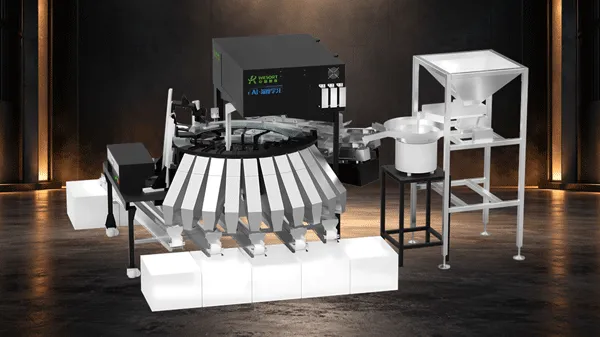
Premium halves and pieces cannot be treated like hard bulk grain. WESORT’s walnut materials specify an intelligent anti-collision structure and a damage rate as low as 0.2% for the AI DeepSelect 8X configuration. In a purchase test, measure breakage before and after sorting, inspect every transfer point and record any good-kernel carry-over into reject outlets. A clean reject stream is not enough if too many valuable kernels leave with it.
WESORT should test the samples that represent your production—not a laboratory mixture that hides the difficult pieces. The test should show:
WESORT’s walnut equipment materials list dedicated design and utility patents for walnut sorting, a four-camera AI platform, anti-jamming design and configurations for chute, belt and X-ray inspection. The company profile describes more than 200 industry patents, exports to over 60 countries and regions, and a service network with multilingual communication, remote debugging and inspection/testing support. These capabilities give a buyer a clear path from sample evaluation to commissioning and ongoing technical support.
For an example of the service relationship, read the Russian walnut processor case. The customer reported a camera issue, WESORT coordinated engineering support, and the customer later confirmed that the machine was operating well.
Send your walnut type, kernel forms, target grades, visible defects, capacity, breakage tolerance and current line layout. Include accepted, rejected and borderline samples whenever possible. WESORT can then recommend whether a QuadEye chute sorter, AI belt sorter, X-ray stage or combined walnut sorting line is appropriate—and show the decision with your own material.
Contact WESORT for a walnut sorting solution and sample test
Walnut kernels are commonly sorted with an optical AI sorting machine after cracking, shell separation and preliminary cleaning. The best configuration depends on whether the plant needs colour sorting, visible defect removal, multi-grade separation, low-impact handling or additional internal-defect inspection.
An optical sorter feeds separated kernels through a controlled inspection area. Cameras capture the visible appearance, AI software compares it with the customer’s accepted and rejected examples, and precisely timed air valves divert selected pieces into the programmed outlet. In walnut processing, the machine can be configured to support visible colour, shape, texture and foreign-material decisions such as dark or discoloured kernels, shrivelled pieces, shell, stems, wood and stones when those characteristics are visible in the sample.
WESORT’s AI walnut sorting machine uses a four-camera QuadEye system for broader visible-surface coverage. The product materials also describe AI model libraries and recipe switching for different nut grades. The programme must be validated on the customer’s actual walnut variety and production condition.
| Machine option | When it makes sense | Buyer’s check |
|---|---|---|
| QuadEye chute sorter | Compact installation, controlled free-fall and multi-angle inspection for kernels and mixed grades. | Confirm channel count, outlet layout, air consumption and kernel movement. |
| AI high-speed belt sorter | Higher-volume lines or products that benefit from a stable belt presentation and controlled transfer. | Measure belt width, speed, footprint, feeding balance and breakage at transfers. |
| X-ray sorter | Additional inspection when the quality decision concerns density or internal condition, such as full, shrivelled or empty nuts. | Define which internal conditions are actually required and test them separately from optical defects. |
WESORT’s documented nut portfolio includes QuadEye chute configurations, AI high-speed belt sorting and X-ray equipment. The correct choice is a line decision: kernel form, target grade, throughput, breakage sensitivity, existing equipment and final customer specification must all be considered.
Walnut kernels do not present the same face every time. A dark area, wormhole, shell fragment or crack may be visible from one direction and hidden from another. Four-view inspection—top, bottom, left and right—gives the AI system more surface information than a conventional two-view arrangement. That can reduce missed visible defects and reduce the need for repeated manual checking, subject to the material test and feed presentation.
For buyers seeking a strong equipment platform, WESORT’s AI DeepSelect 8X 6 Generation materials describe a four-camera system, 16x high-performance computing, 5,000 customisable AI sorting solutions, sorting of raw, mixed and premium stock in one pass, and up to nine grades. These are product-material claims; final grade performance depends on the samples, settings and line conditions confirmed during testing.
Premium halves and pieces cannot be treated like hard bulk grain. WESORT’s walnut materials specify an intelligent anti-collision structure and a damage rate as low as 0.2% for the AI DeepSelect 8X configuration. In a purchase test, measure breakage before and after sorting, inspect every transfer point and record any good-kernel carry-over into reject outlets. A clean reject stream is not enough if too many valuable kernels leave with it.
WESORT should test the samples that represent your production—not a laboratory mixture that hides the difficult pieces. The test should show:
WESORT’s walnut equipment materials list dedicated design and utility patents for walnut sorting, a four-camera AI platform, anti-jamming design and configurations for chute, belt and X-ray inspection. The company profile describes more than 200 industry patents, exports to over 60 countries and regions, and a service network with multilingual communication, remote debugging and inspection/testing support. These capabilities give a buyer a clear path from sample evaluation to commissioning and ongoing technical support.
For an example of the service relationship, read the Russian walnut processor case. The customer reported a camera issue, WESORT coordinated engineering support, and the customer later confirmed that the machine was operating well.
Send your walnut type, kernel forms, target grades, visible defects, capacity, breakage tolerance and current line layout. Include accepted, rejected and borderline samples whenever possible. WESORT can then recommend whether a QuadEye chute sorter, AI belt sorter, X-ray stage or combined walnut sorting line is appropriate—and show the decision with your own material.
Contact WESORT for a walnut sorting solution and sample test
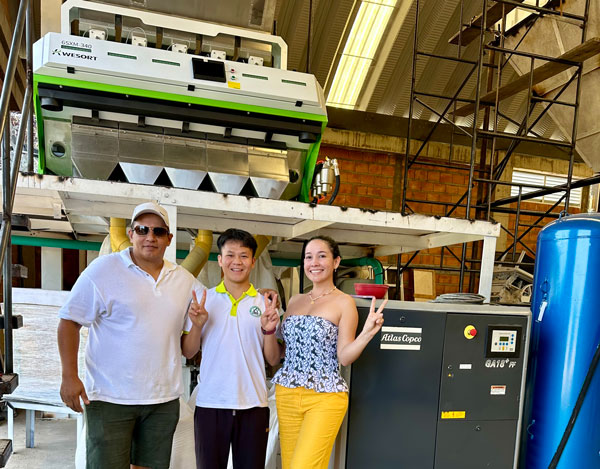
Choose a rice sorting machine by matching the rice variety, target defects, required throughput, finished-product standard, acceptable loss of good rice, and site utilities. Compare machines only after testing representative material and reviewing bo...
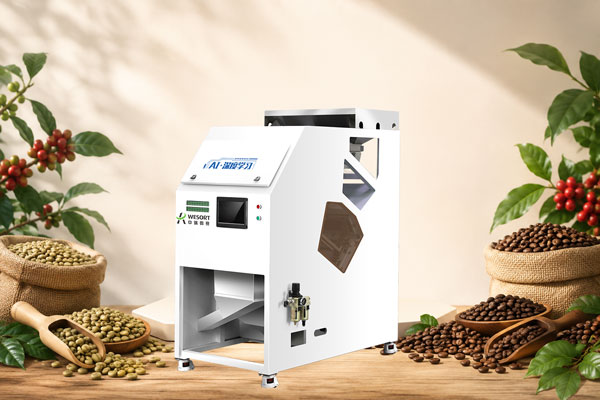
Coffee processors face a constant challenge when it comes to maintaining consistent quality across green and roasted coffee beans. Quakers, scorched beans, abnormal-color beans, broken beans, and foreign materials can affect the appearance and consis...

Mexico has a strong coffee-processing industry, with coffee producers and processors facing increasingly demanding requirements for quality, consistency, and production efficiency. From coffee cherries and green coffee beans to roasted coffee, effect...
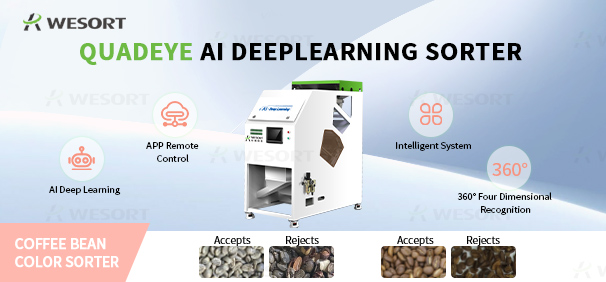
Coffee quality control depends heavily on the equipment used to remove defective beans, foreign materials, and quality inconsistencies before roasting or export. For coffee processors, roasteries, and exporters, AI-powered optical color sorters h...
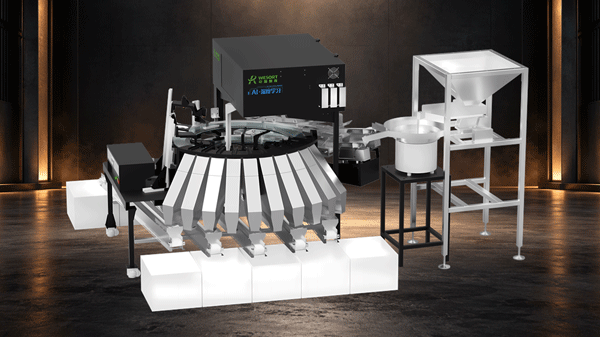
Walnut kernels are commonly sorted with an optical AI sorting machine after cracking, shell separation and preliminary cleaning. The best configuration depends on whether the plant needs colour sorting, visible defect removal, multi-grade separation,...
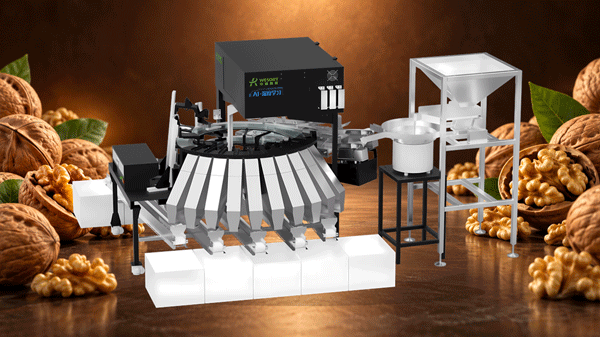
A walnut kernel sorter should do more than remove dark pieces. It should protect valuable halves, separate commercial grades, recognise the visible defects that affect your selling price and fit the way your plant already cracks, cleans, grades and p...
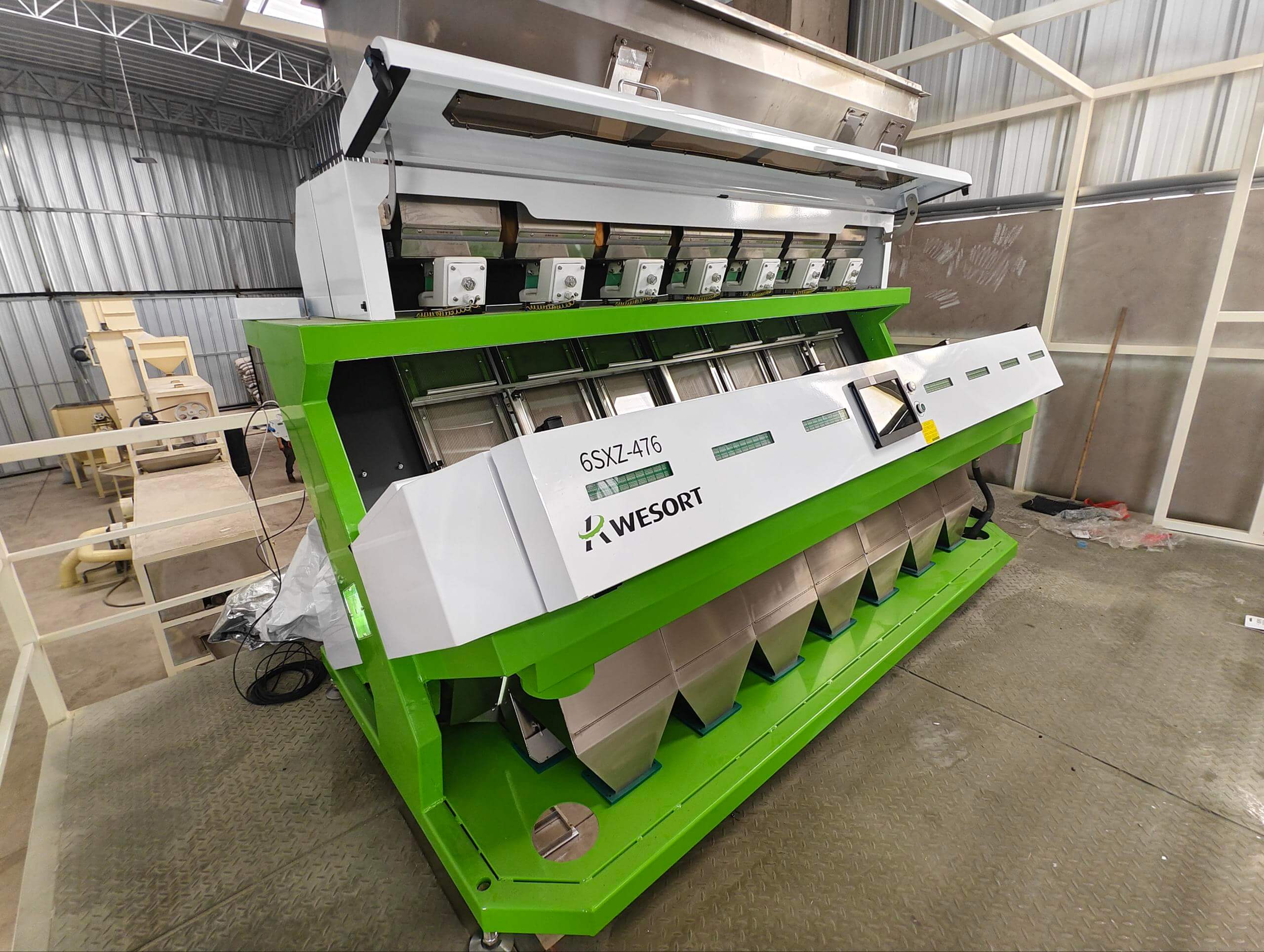
The best bean-sorting result does not begin with a machine setting. It begins with a clear description of the beans you want to pack, the defects your buyer rejects and the amount of good product you are prepared to lose. Short answer: clean and s...

When nut processing enters its busiest weeks, inconsistent raw material, visible defects and foreign materials can quickly become production problems. For processors handling hazelnuts, pistachios, almonds, pecans, Brazil nuts, peanuts and other nut...
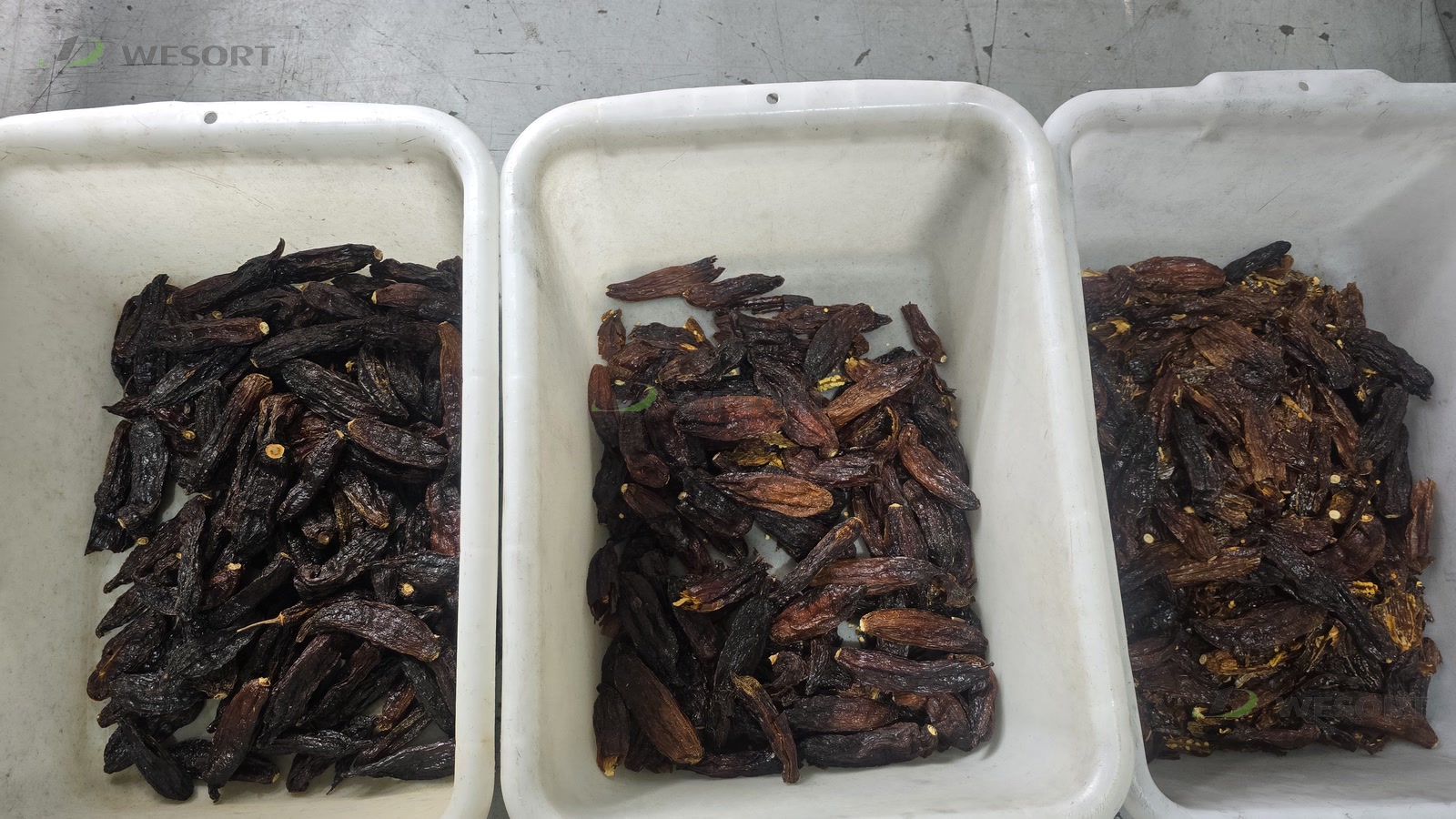
A mixed lot of dried chili rarely has just one problem. Dark pods sit beside red-brown pods, whole product is mixed with broken pieces, and stems or fibrous material remain in the flow. WESORT helps processors turn that mixed lot into clearly defin...
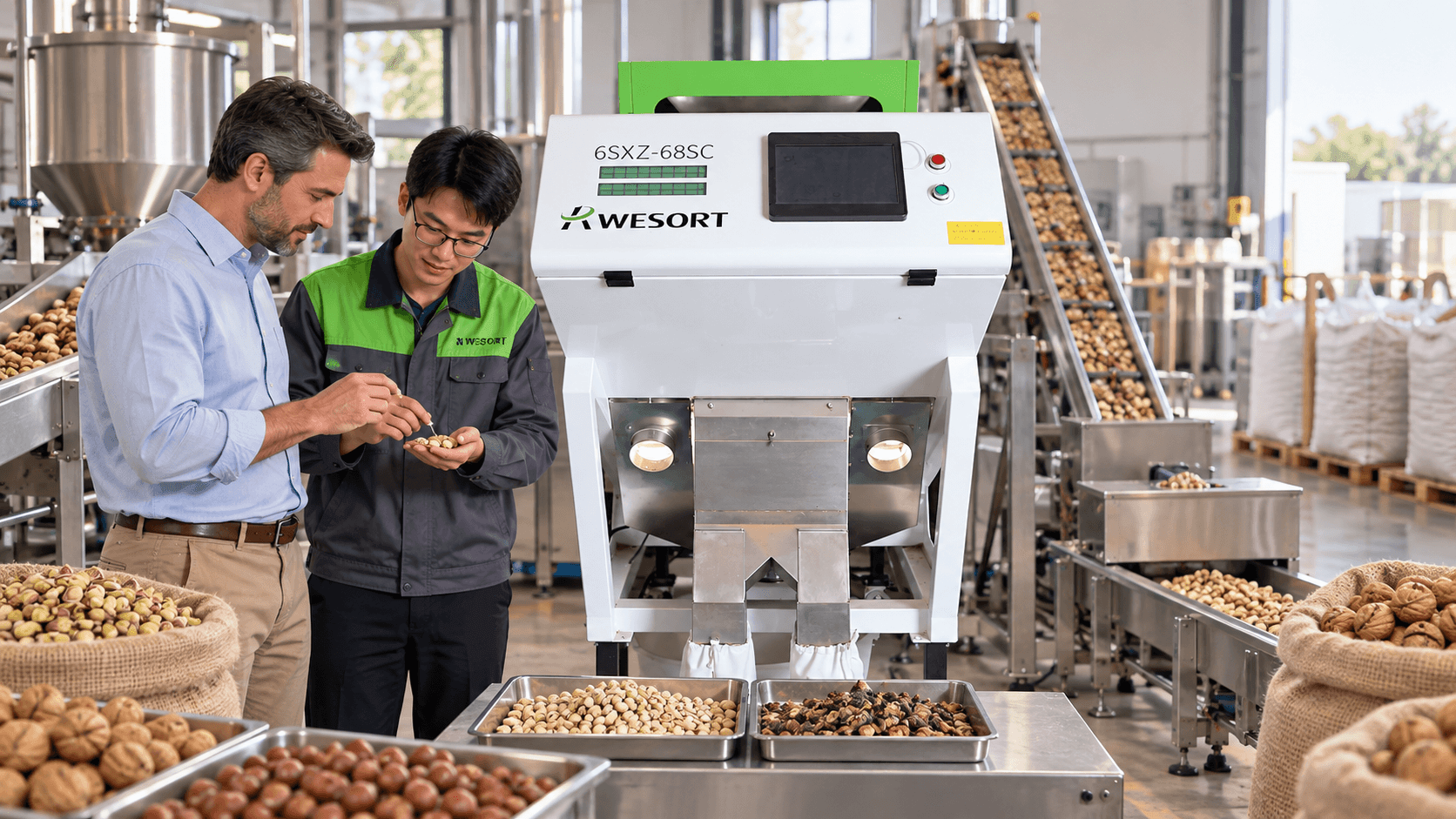
A reliable nut color sorter manufacturer should be able to prove three things before asking you to buy: that your actual material can be separated, that the proposed machine fits your production line, and that technical support will still be availa...
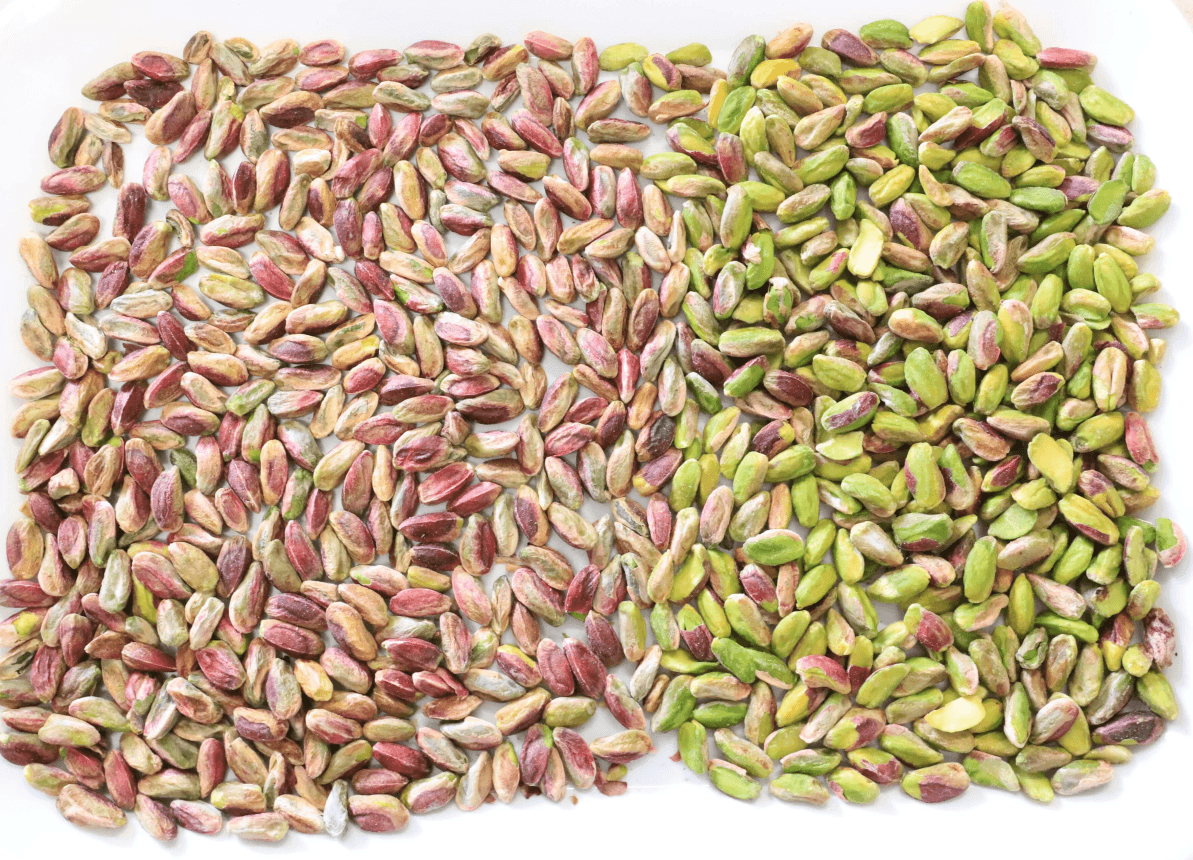
A pistachio sorter should be configured for the material entering it, not for the word “pistachio” alone. An in-shell line may need to separate open and closed shells. A kernel line may need color grades and removal of broken or dark pieces. A post...
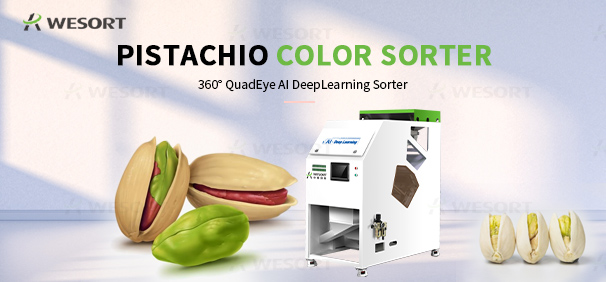
Choosing the right pistachio sorting machine in Turkey is not simply a matter of comparing machine width, number of chutes or advertised capacity. For pistachio processors, the more important question is: What exactly does the machine need to sep...

Choosing a coffee sorting machine in Colombia should not begin with the number of chutes or a headline capacity. It should begin with five facts about the coffee entering your line and the product you need to deliver. Without them, two machines th...
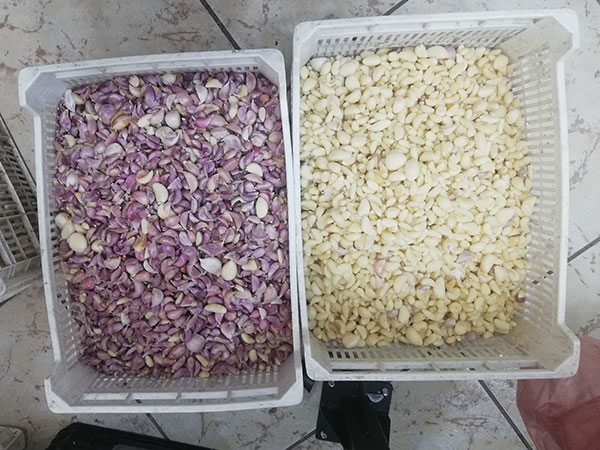
A garlic sorting machine can separate cloves that differ visibly from the accepted product in color, skin coverage, shape, size or surface condition. Typical targets include cloves with attached purple skin, incomplete peeling, yellow or brown disc...

Don’t bring only a business card. Bring the coffee your team is struggling to sort. From October 15 to 18, WESORT will be at Cafés de Colombia Expo 2026 in Bogotá. At Booth 2466, visitors can see how optical sorting responds to real coffee material...
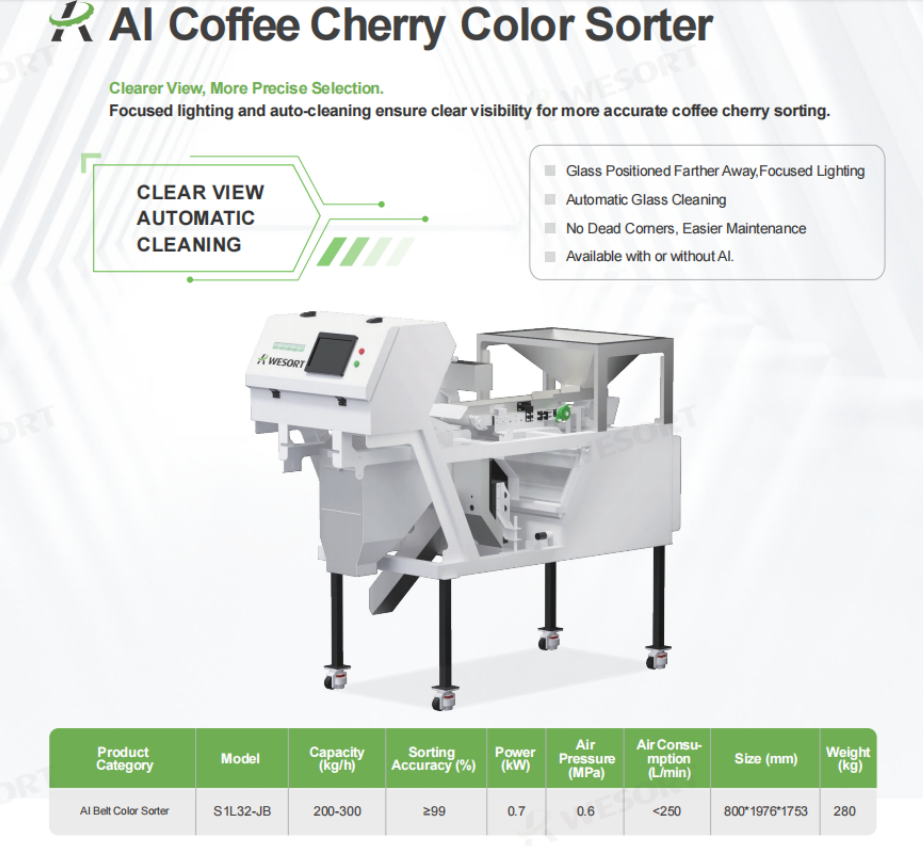
Industry Background and Problem Introduction Coffee processing combines natural variation in agricultural material with increasingly specific buyer and quality requirements. Fresh coffee cherries, parchment coffee, green beans and roasted beans are d...
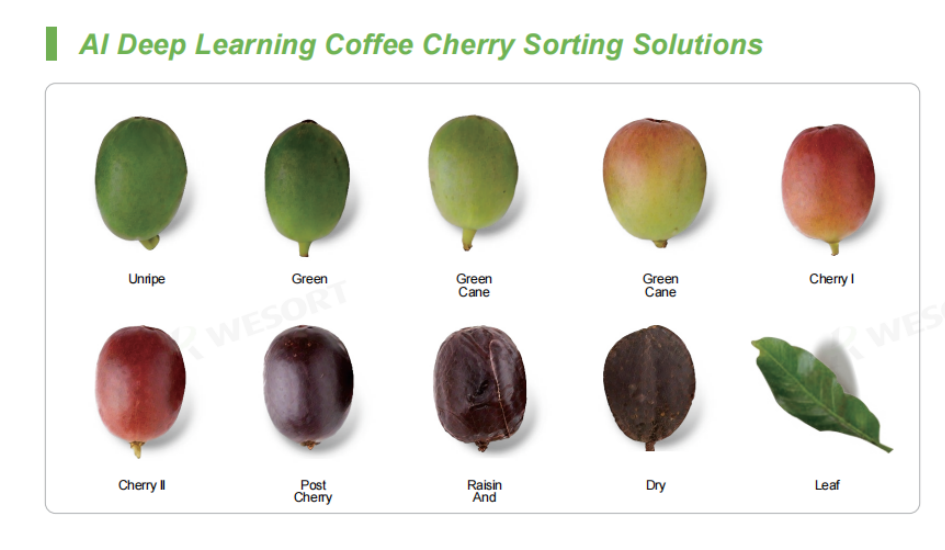
Sorting fresh coffee cherries before pulping or drying can help a processor separate visibly different fruit into more consistent lots. The right approach depends on the cherries, the acceptance standard and where the sorter will sit in the processin...

Every Pearl, Every Angle. 360° PANORAMIC AI PEARL SORTING The hardest part of pearl sorting is not seeing a pearl once. It is seeing enough of its surface to make a consistent decision. A dark spot may sit on the back. A fine crack may become visible...
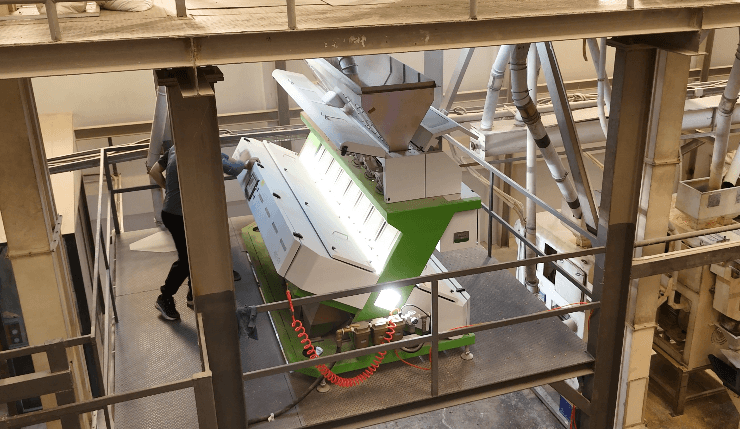
A practical way to choose a corn sorting machine is to compare your plant with corn processors that have already solved similar problems. WESORT has supplied corn sorting solutions for different production scales, from a dual-channel white-corn pro...
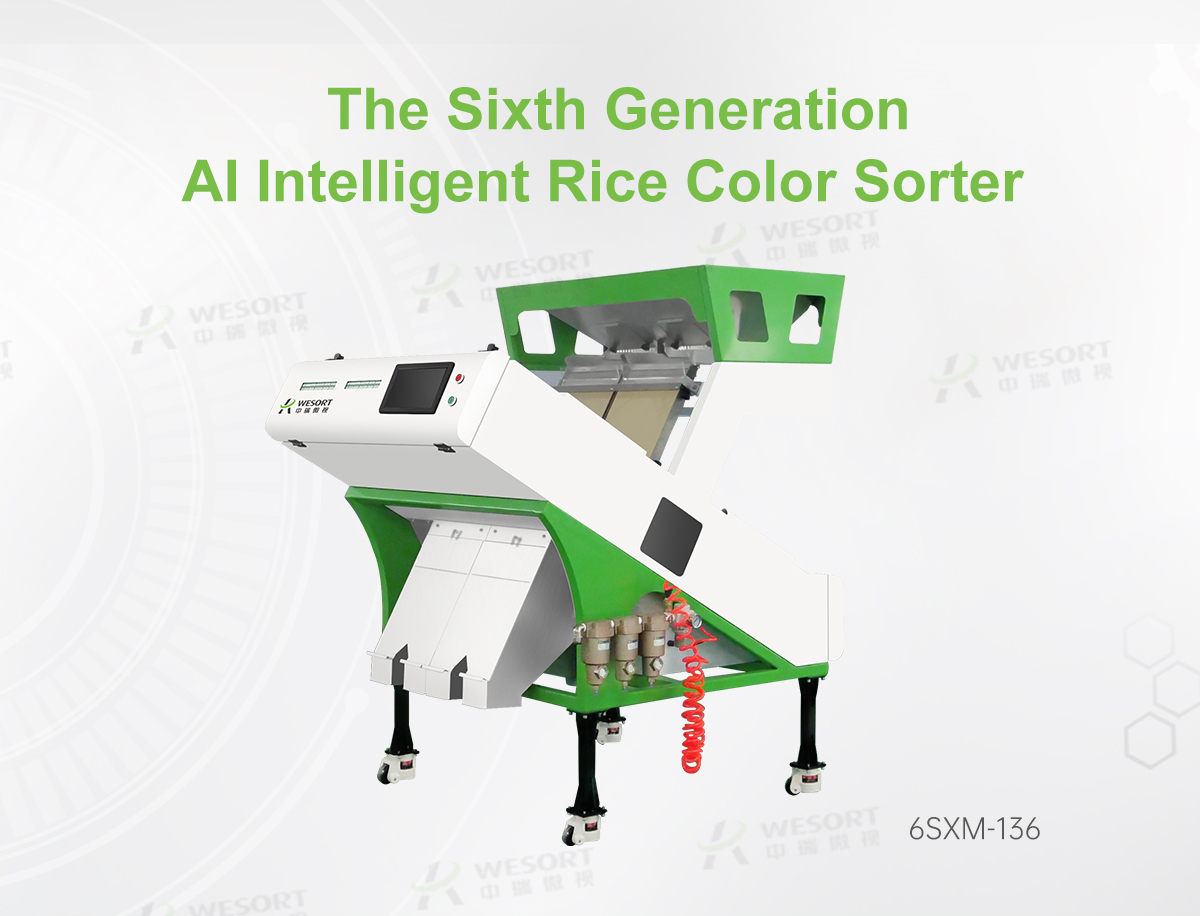
An optical rice sorter improves purity by turning visible differences into controlled separation decisions. Stable feeding presents the rice, illumination and cameras capture visible characteristics, software evaluates color and shape, and precisio...
Choose a rice sorting machine by matching the rice variety, target defects, required throughput, finished-product standard, acceptable loss of good rice, and site utilities. Compare machines only after testing representative material and reviewing bo...
Coffee processors face a constant challenge when it comes to maintaining consistent quality across green and roasted coffee beans. Quakers, scorched beans, abnormal-color beans, broken beans, and foreign materials can affect the appearance and consis...
Mexico has a strong coffee-processing industry, with coffee producers and processors facing increasingly demanding requirements for quality, consistency, and production efficiency. From coffee cherries and green coffee beans to roasted coffee, effect...
Coffee quality control depends heavily on the equipment used to remove defective beans, foreign materials, and quality inconsistencies before roasting or export. For coffee processors, roasteries, and exporters, AI-powered optical color sorters h...
Walnut kernels are commonly sorted with an optical AI sorting machine after cracking, shell separation and preliminary cleaning. The best configuration depends on whether the plant needs colour sorting, visible defect removal, multi-grade separation,...
A walnut kernel sorter should do more than remove dark pieces. It should protect valuable halves, separate commercial grades, recognise the visible defects that affect your selling price and fit the way your plant already cracks, cleans, grades and p...
The best bean-sorting result does not begin with a machine setting. It begins with a clear description of the beans you want to pack, the defects your buyer rejects and the amount of good product you are prepared to lose. Short answer: clean and s...
When nut processing enters its busiest weeks, inconsistent raw material, visible defects and foreign materials can quickly become production problems. For processors handling hazelnuts, pistachios, almonds, pecans, Brazil nuts, peanuts and other nut...