Shenzhen Wesort Optoelectronics Co., Ltd.
Address:Building 29, Longwangmiao Industrial Zone, Fuyong street, Bao'an District, Shenzhen, Guangdong Province, China.
Phone:+86 181 2370 6862

A practical way to choose a corn sorting machine is to compare your plant with corn processors that have already solved similar problems. WESORT has supplied corn sorting solutions for different production scales, from a dual-channel white-corn project in Mexico to seven- and ten-channel systems in Thailand, Türkiye and the United States.
These projects show that channel count should follow the customer’s real material, target defects and required capacity. A smaller plant may need a compact machine with a carefully tuned recipe, while a large processor needs enough channels to maintain continuous output without sacrificing sorting quality. In both situations, WESORT combines material testing, AI optical recognition, machine configuration and after-sales support to deliver a complete solution.
WESORT does not recommend one universal machine for every corn processor. The following customer applications cover dual-channel, seven-channel and ten-channel systems, showing how the equipment can be matched to different plant sizes and quality challenges.
| Customer location | Material and challenge | WESORT configuration | Value delivered |
|---|---|---|---|
| Mexico | White corn with color variation, damaged and broken kernels | dual-channel chute sorter | Cleaner, more uniform white corn with less dependence on manual selection |
| Bangkok, Thailand | Higher-volume corn with mixed visible defects and impurities | Seven-channel corn color sorter | Higher processing capacity and more consistent batch quality |
| Türkiye | Large-volume corn with moldy, discolored, broken and black-tipped kernels | Ten-channel corn color sorter | Continuous bulk sorting, reduced manual workload and more stable finished quality |
| United States | Industrial corn processing with strict quality and throughput requirements | Ten-channel corn color sorter | Reliable high-volume quality control and stronger production consistency |
The Mexican customer needed to improve the appearance and consistency of white corn without investing in a machine larger than the production line required. The incoming material contained natural cream-white color variation together with darker, damaged and broken kernels that reduced the uniformity of the final product. Manual inspection was slow and difficult to maintain consistently as batches moved through the plant.
WESORT supplied a 6SXZ-136 dual-channel chute color sorter. The material recipe was adjusted for white corn so the system could preserve normal kernel variation while removing visibly non-conforming pieces. Cameras inspected the moving kernels, the software compared color and visible shape characteristics, and high-speed air ejectors separated unwanted material.
Customer-site footage shows the branded machine operating with white corn, the kernels passing through the sorting system and the separated streams being checked by hand. The solution gave the processor a cleaner and more uniform accepted product, accelerated daily sorting and reduced the amount of repetitive manual selection required before packing or further processing.
This case demonstrates an important selection principle: a compact dual-channel WESORT corn sorting machine can be the right investment when the required capacity is moderate and the material recipe is correctly developed.
The Bangkok customer faced a different challenge. The plant needed to process larger corn batches while removing visible defects such as discolored kernels, moldy kernels, insect-damaged pieces, broken corn and mixed plant impurities. Increasing the feed rate through a smaller machine would have made it harder to maintain a stable layer of material and consistent inspection.
WESORT configured a seven-channel corn color sorter for the project. The wider processing structure allowed more corn to pass through the optical inspection area while maintaining controlled feeding across the channels. AI color-and-shape analysis helped distinguish acceptable kernels from the visible defects defined by the customer.
After installation, the plant gained the capacity needed for larger daily batches without relying on a proportional increase in manual sorting labor. The accepted corn became more consistent in appearance, production planning became easier, and the customer could handle changing raw-material conditions by adjusting and saving sorting recipes.
For medium-to-large processors, the Bangkok project shows why the correct answer is not simply “run a small sorter faster.” Choosing enough channels allows the machine to protect inspection quality while supporting the plant’s real production target.
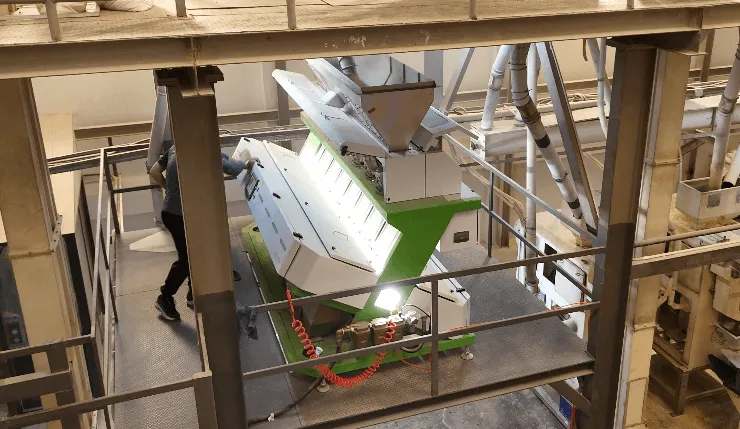
The Turkish customer processes corn at a scale where inconsistent incoming quality can quickly become a production problem. Different batches may contain moldy or dark kernels, black tips, broken pieces, immature corn, husk, cob fragments and other visible impurities. Manual removal could not keep pace with the required volume, and inconsistent final quality risked affecting customer confidence.
WESORT supplied a ten-channel corn color sorter to provide the required processing width and continuous sorting capacity. High-resolution optical inspection and intelligent color-and-shape recognition allowed the customer to define rejection standards for different incoming lots. The machine separated visible non-conforming kernels through precisely timed air ejection while accepted corn continued to the product outlet.
The ten-channel solution reduced the pressure on manual quality-control staff and gave the plant a more repeatable method for handling large batches. More consistent accepted corn helped the processor protect product reputation, respond to buyer specifications and prepare marketable lots with less manual rework.
This case shows when a ten-channel system becomes commercially relevant: not merely because the plant is large, but because high volume, variable raw material and demanding finished-product standards must be managed at the same time.
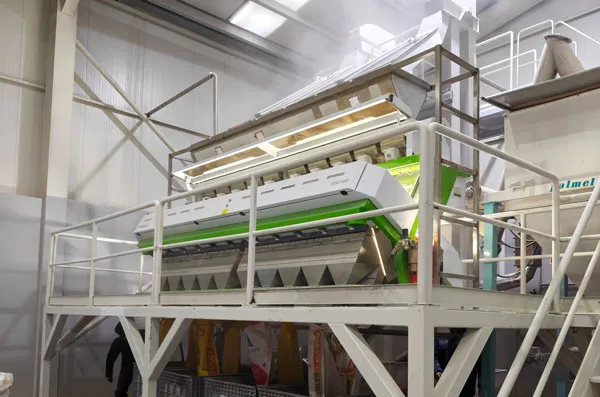
The USA customer needed a high-capacity optical quality-control stage that could operate within an industrial corn processing line. The plant had to maintain throughput while separating discolored, damaged and visibly defective kernels, as well as foreign material that did not meet the customer’s finished-product specification.
WESORT provided a ten-channel corn color sorter suited to continuous bulk processing. Stable feeding distributed the corn across the inspection channels, cameras captured visible kernel characteristics, and the software applied the approved acceptance program. High-speed ejectors removed identified defects without stopping the product flow.
The installation strengthened quality control without creating a new bottleneck. The customer gained more consistent finished corn, reduced the need for large-scale manual inspection and created a repeatable sorting stage that could be adjusted as incoming crops or buyer standards changed. The high-capacity configuration also gave the plant room to support production growth.
For large North American processing lines, the USA project demonstrates the value of combining sufficient channel capacity with recipe management, commissioning and technical support. Equipment size delivers output only when the feeding system, compressed air and downstream process are designed to support it.
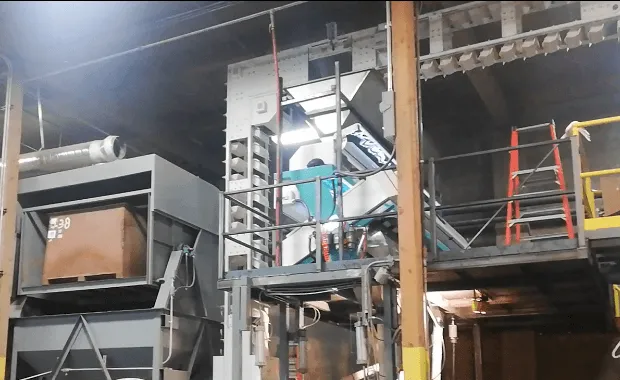
The four projects show that selecting a corn sorter requires more than matching a channel number to a capacity estimate. WESORT evaluates the complete application so that the machine solves the customer’s actual production problem.
The Mexico, Bangkok, Türkiye and USA projects provide useful reference points, but final selection still requires a test with the customer’s own corn.
| Plant situation | Likely direction | Relevant WESORT case |
|---|---|---|
| Moderate throughput and a defined corn product | Compact one- or two-channel system | Mexico white-corn project |
| Growing plant with larger daily batches | Multi-channel system sized through material testing | Bangkok seven-channel project |
| Large-volume processing with variable incoming quality | High-capacity ten-channel system | Türkiye project |
| Industrial line requiring continuous output and consistent specifications | Ten-channel system integrated with upstream and downstream equipment | USA project |
WESORT offers different capacities within its multigrain color sorter range. The technical team uses sample testing, incoming defect level, required hourly output and finished-product standards to recommend the appropriate configuration.
The value of WESORT is demonstrated by its ability to serve different corn processors with different machine sizes while maintaining the same project logic: understand the material, prove the sorting result, configure the equipment and support the customer after installation.
WESORT combines high-resolution optical recognition, AI color-and-shape analysis, optional QuadEye multi-view surface inspection, multiple channel configurations, saved sorting recipes and international technical support. Its customer applications in Mexico, Bangkok, Türkiye and USA show that the brand can support both focused local plants and high-volume industrial operations.
For a corn processor comparing suppliers, these installations provide practical reasons to include WESORT in the evaluation: proven corn applications, flexible capacity options, free material testing and a solution designed around the customer’s quality and production goals.
WESORT can provide a free material test for white corn, yellow corn, seed corn and other grain applications. Send representative accepted kernels, defective kernels and impurities, together with your required capacity and finished-product standard.
Explore the WESORT corn color sorter, review more WESORT customer stories, or contact WESORT for a material test and project recommendation.
A practical way to choose a corn sorting machine is to compare your plant with corn processors that have already solved similar problems. WESORT has supplied corn sorting solutions for different production scales, from a dual-channel white-corn project in Mexico to seven- and ten-channel systems in Thailand, Türkiye and the United States.
These projects show that channel count should follow the customer’s real material, target defects and required capacity. A smaller plant may need a compact machine with a carefully tuned recipe, while a large processor needs enough channels to maintain continuous output without sacrificing sorting quality. In both situations, WESORT combines material testing, AI optical recognition, machine configuration and after-sales support to deliver a complete solution.
WESORT does not recommend one universal machine for every corn processor. The following customer applications cover dual-channel, seven-channel and ten-channel systems, showing how the equipment can be matched to different plant sizes and quality challenges.
| Customer location | Material and challenge | WESORT configuration | Value delivered |
|---|---|---|---|
| Mexico | White corn with color variation, damaged and broken kernels | dual-channel chute sorter | Cleaner, more uniform white corn with less dependence on manual selection |
| Bangkok, Thailand | Higher-volume corn with mixed visible defects and impurities | Seven-channel corn color sorter | Higher processing capacity and more consistent batch quality |
| Türkiye | Large-volume corn with moldy, discolored, broken and black-tipped kernels | Ten-channel corn color sorter | Continuous bulk sorting, reduced manual workload and more stable finished quality |
| United States | Industrial corn processing with strict quality and throughput requirements | Ten-channel corn color sorter | Reliable high-volume quality control and stronger production consistency |
The Mexican customer needed to improve the appearance and consistency of white corn without investing in a machine larger than the production line required. The incoming material contained natural cream-white color variation together with darker, damaged and broken kernels that reduced the uniformity of the final product. Manual inspection was slow and difficult to maintain consistently as batches moved through the plant.
WESORT supplied a 6SXZ-136 dual-channel chute color sorter. The material recipe was adjusted for white corn so the system could preserve normal kernel variation while removing visibly non-conforming pieces. Cameras inspected the moving kernels, the software compared color and visible shape characteristics, and high-speed air ejectors separated unwanted material.
Customer-site footage shows the branded machine operating with white corn, the kernels passing through the sorting system and the separated streams being checked by hand. The solution gave the processor a cleaner and more uniform accepted product, accelerated daily sorting and reduced the amount of repetitive manual selection required before packing or further processing.
This case demonstrates an important selection principle: a compact dual-channel WESORT corn sorting machine can be the right investment when the required capacity is moderate and the material recipe is correctly developed.
The Bangkok customer faced a different challenge. The plant needed to process larger corn batches while removing visible defects such as discolored kernels, moldy kernels, insect-damaged pieces, broken corn and mixed plant impurities. Increasing the feed rate through a smaller machine would have made it harder to maintain a stable layer of material and consistent inspection.
WESORT configured a seven-channel corn color sorter for the project. The wider processing structure allowed more corn to pass through the optical inspection area while maintaining controlled feeding across the channels. AI color-and-shape analysis helped distinguish acceptable kernels from the visible defects defined by the customer.
After installation, the plant gained the capacity needed for larger daily batches without relying on a proportional increase in manual sorting labor. The accepted corn became more consistent in appearance, production planning became easier, and the customer could handle changing raw-material conditions by adjusting and saving sorting recipes.
For medium-to-large processors, the Bangkok project shows why the correct answer is not simply “run a small sorter faster.” Choosing enough channels allows the machine to protect inspection quality while supporting the plant’s real production target.
The Turkish customer processes corn at a scale where inconsistent incoming quality can quickly become a production problem. Different batches may contain moldy or dark kernels, black tips, broken pieces, immature corn, husk, cob fragments and other visible impurities. Manual removal could not keep pace with the required volume, and inconsistent final quality risked affecting customer confidence.
WESORT supplied a ten-channel corn color sorter to provide the required processing width and continuous sorting capacity. High-resolution optical inspection and intelligent color-and-shape recognition allowed the customer to define rejection standards for different incoming lots. The machine separated visible non-conforming kernels through precisely timed air ejection while accepted corn continued to the product outlet.
The ten-channel solution reduced the pressure on manual quality-control staff and gave the plant a more repeatable method for handling large batches. More consistent accepted corn helped the processor protect product reputation, respond to buyer specifications and prepare marketable lots with less manual rework.
This case shows when a ten-channel system becomes commercially relevant: not merely because the plant is large, but because high volume, variable raw material and demanding finished-product standards must be managed at the same time.
The USA customer needed a high-capacity optical quality-control stage that could operate within an industrial corn processing line. The plant had to maintain throughput while separating discolored, damaged and visibly defective kernels, as well as foreign material that did not meet the customer’s finished-product specification.
WESORT provided a ten-channel corn color sorter suited to continuous bulk processing. Stable feeding distributed the corn across the inspection channels, cameras captured visible kernel characteristics, and the software applied the approved acceptance program. High-speed ejectors removed identified defects without stopping the product flow.
The installation strengthened quality control without creating a new bottleneck. The customer gained more consistent finished corn, reduced the need for large-scale manual inspection and created a repeatable sorting stage that could be adjusted as incoming crops or buyer standards changed. The high-capacity configuration also gave the plant room to support production growth.
For large North American processing lines, the USA project demonstrates the value of combining sufficient channel capacity with recipe management, commissioning and technical support. Equipment size delivers output only when the feeding system, compressed air and downstream process are designed to support it.
The four projects show that selecting a corn sorter requires more than matching a channel number to a capacity estimate. WESORT evaluates the complete application so that the machine solves the customer’s actual production problem.
The Mexico, Bangkok, Türkiye and USA projects provide useful reference points, but final selection still requires a test with the customer’s own corn.
| Plant situation | Likely direction | Relevant WESORT case |
|---|---|---|
| Moderate throughput and a defined corn product | Compact one- or two-channel system | Mexico white-corn project |
| Growing plant with larger daily batches | Multi-channel system sized through material testing | Bangkok seven-channel project |
| Large-volume processing with variable incoming quality | High-capacity ten-channel system | Türkiye project |
| Industrial line requiring continuous output and consistent specifications | Ten-channel system integrated with upstream and downstream equipment | USA project |
WESORT offers different capacities within its multigrain color sorter range. The technical team uses sample testing, incoming defect level, required hourly output and finished-product standards to recommend the appropriate configuration.
The value of WESORT is demonstrated by its ability to serve different corn processors with different machine sizes while maintaining the same project logic: understand the material, prove the sorting result, configure the equipment and support the customer after installation.
WESORT combines high-resolution optical recognition, AI color-and-shape analysis, optional QuadEye multi-view surface inspection, multiple channel configurations, saved sorting recipes and international technical support. Its customer applications in Mexico, Bangkok, Türkiye and USA show that the brand can support both focused local plants and high-volume industrial operations.
For a corn processor comparing suppliers, these installations provide practical reasons to include WESORT in the evaluation: proven corn applications, flexible capacity options, free material testing and a solution designed around the customer’s quality and production goals.
WESORT can provide a free material test for white corn, yellow corn, seed corn and other grain applications. Send representative accepted kernels, defective kernels and impurities, together with your required capacity and finished-product standard.
Explore the WESORT corn color sorter, review more WESORT customer stories, or contact WESORT for a material test and project recommendation.

Mexico has a strong coffee-processing industry, with coffee producers and processors facing increasingly demanding requirements for quality, consistency, and production efficiency. From coffee cherries and green coffee beans to roasted coffee, effect...

Coffee quality control depends heavily on the equipment used to remove defective beans, foreign materials, and quality inconsistencies before roasting or export. For coffee processors, roasteries, and exporters, AI-powered optical color sorters h...
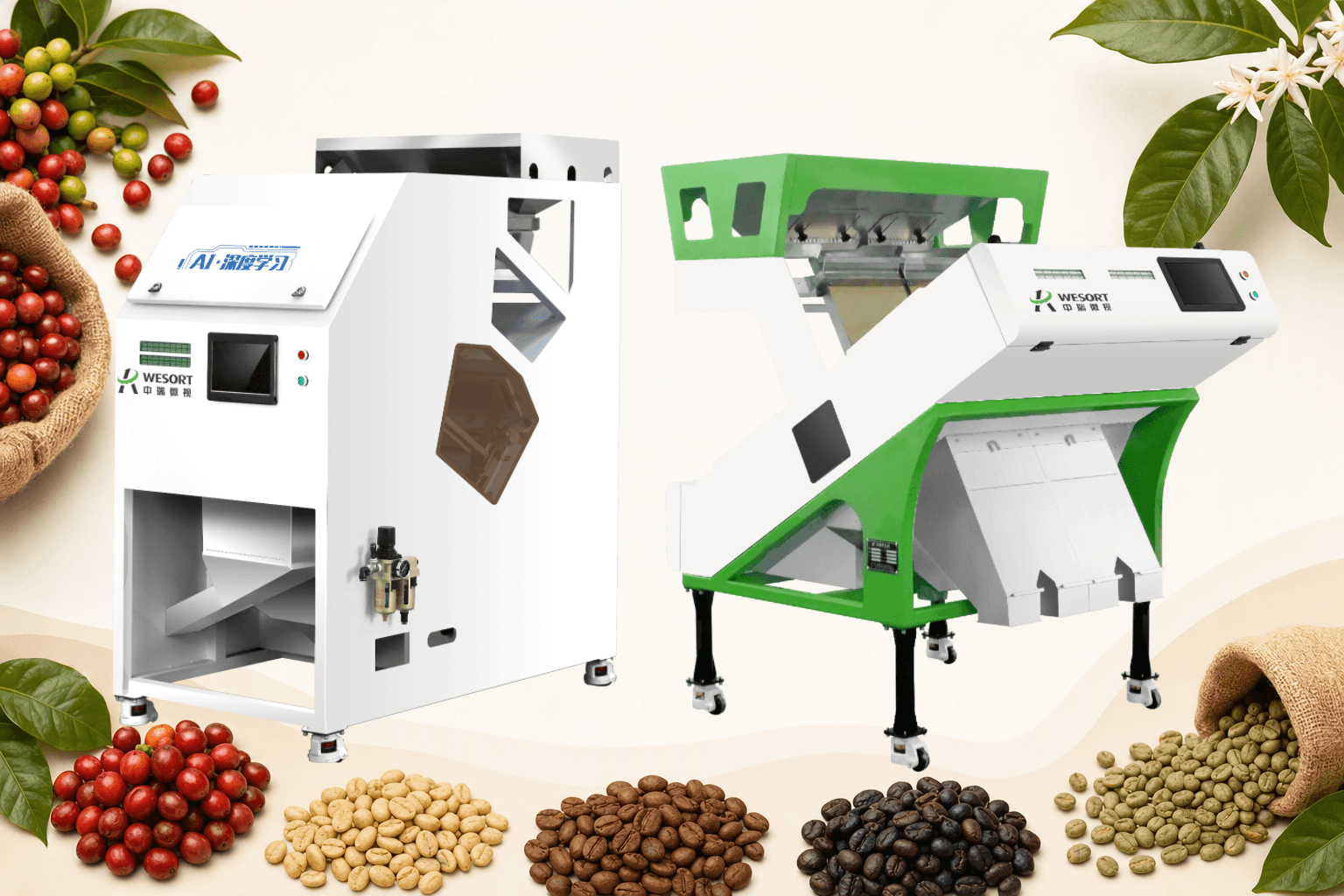
Coffee processors around the world are under growing pressure to deliver consistent quality while controlling costs and meeting strict export standards. Manual sorting—long the default method for removing quakers, scorched beans, and foreign matter...

Upgrade Your Sorting Solution with Exclusive Benefits In 2026. WESORT continues to move forward with innovation, quality, and commitment. We sincerely appreciate the trust and support from customers around the world. To give back to our global ...
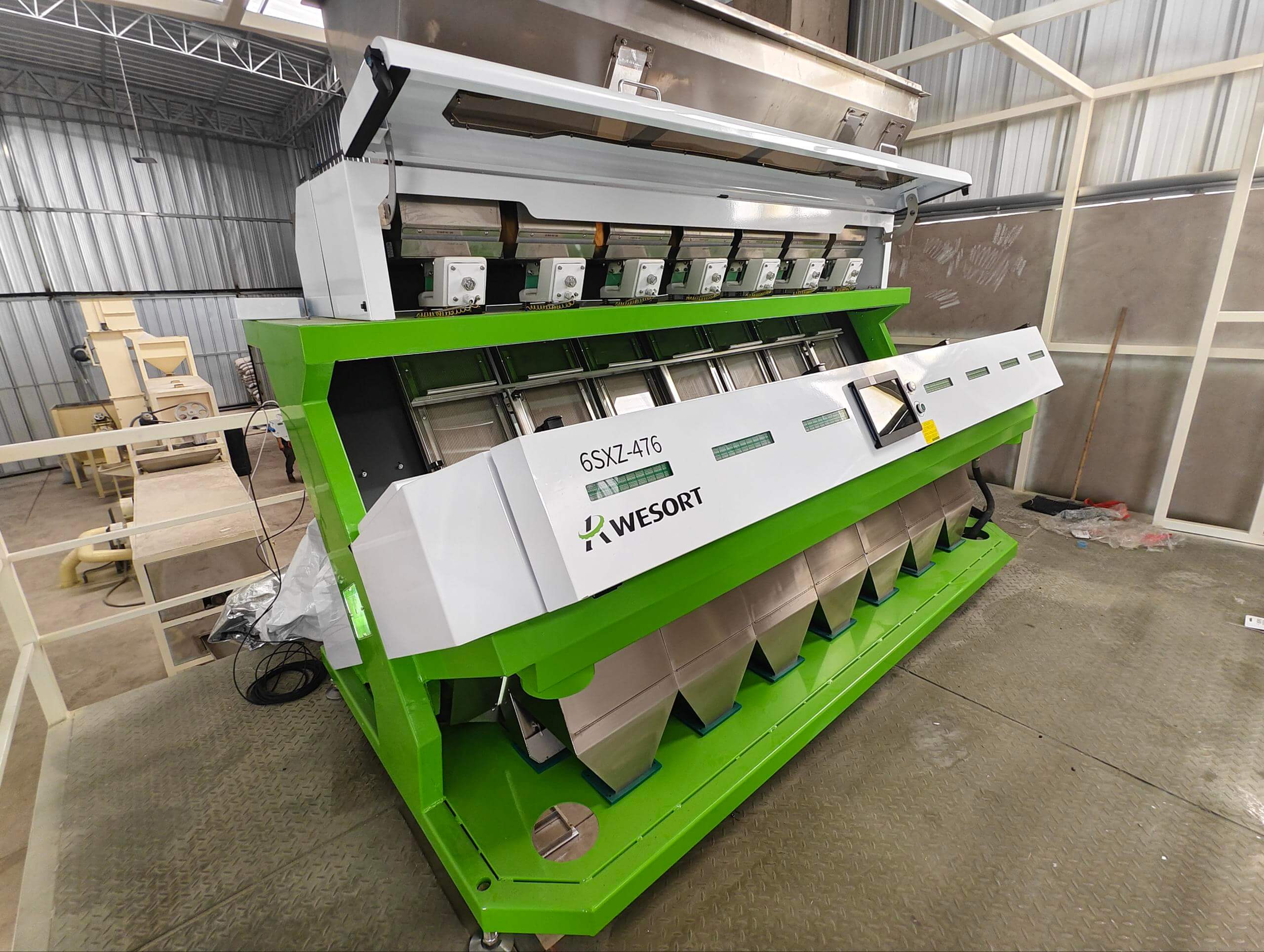
The best bean-sorting result does not begin with a machine setting. It begins with a clear description of the beans you want to pack, the defects your buyer rejects and the amount of good product you are prepared to lose. Short answer: clean and s...

When nut processing enters its busiest weeks, inconsistent raw material, visible defects and foreign materials can quickly become production problems. For processors handling hazelnuts, pistachios, almonds, pecans, Brazil nuts, peanuts and other nut...
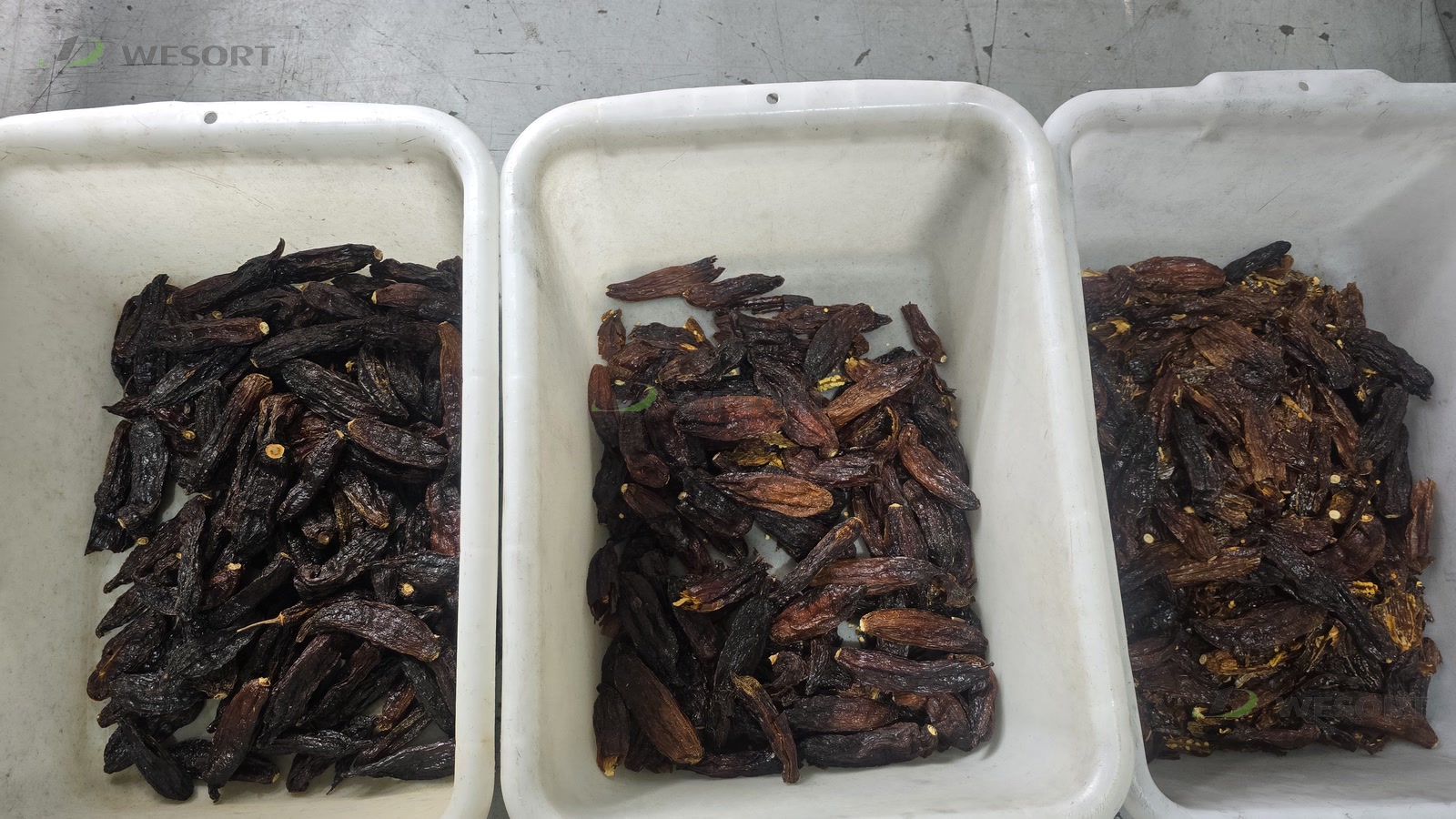
A mixed lot of dried chili rarely has just one problem. Dark pods sit beside red-brown pods, whole product is mixed with broken pieces, and stems or fibrous material remain in the flow. WESORT helps processors turn that mixed lot into clearly defin...
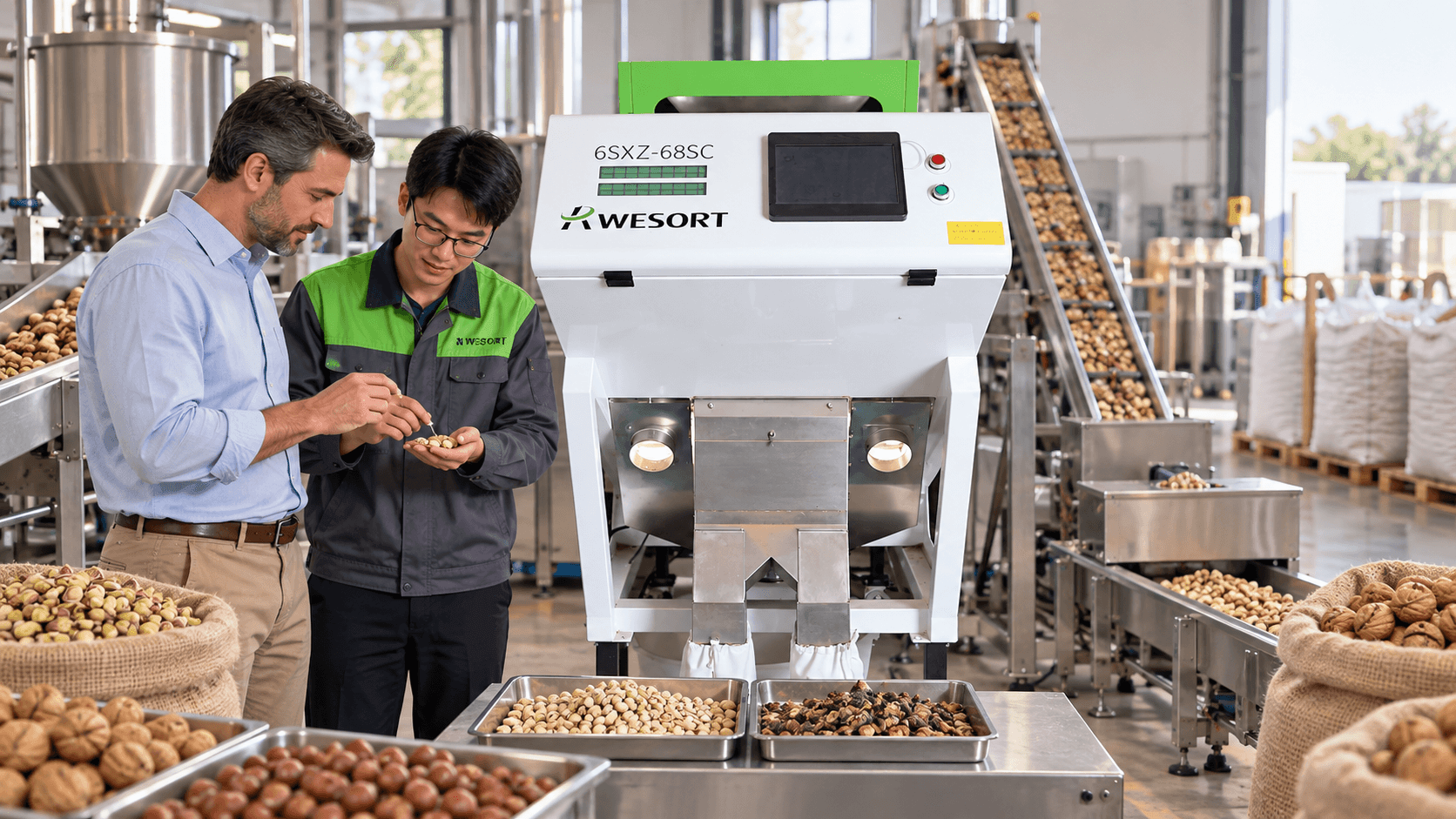
A reliable nut color sorter manufacturer should be able to prove three things before asking you to buy: that your actual material can be separated, that the proposed machine fits your production line, and that technical support will still be availa...
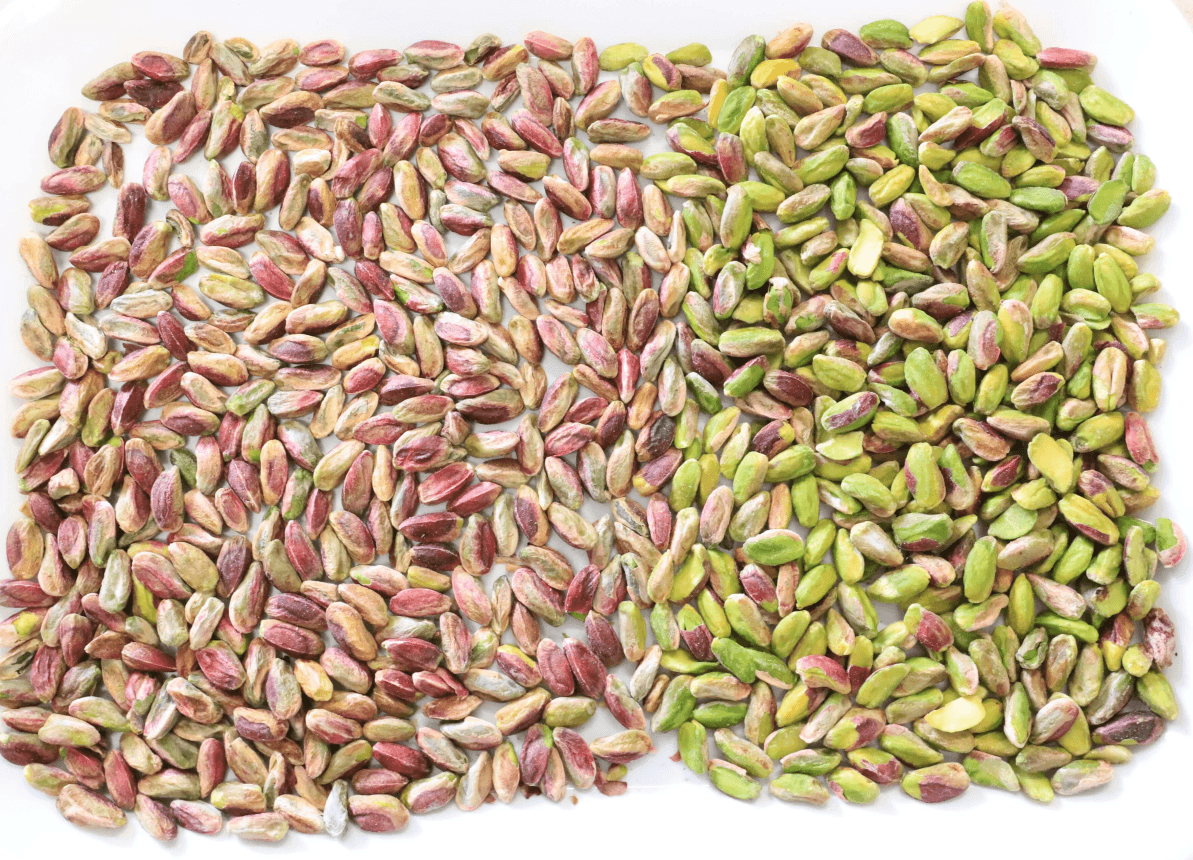
A pistachio sorter should be configured for the material entering it, not for the word “pistachio” alone. An in-shell line may need to separate open and closed shells. A kernel line may need color grades and removal of broken or dark pieces. A post...
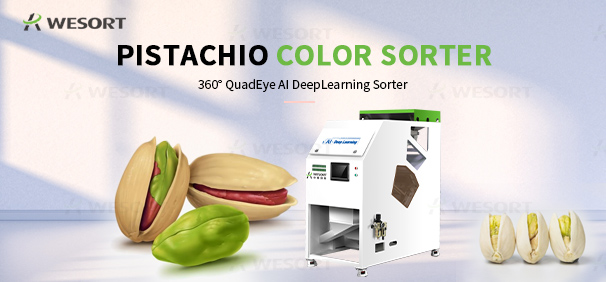
Choosing the right pistachio sorting machine in Turkey is not simply a matter of comparing machine width, number of chutes or advertised capacity. For pistachio processors, the more important question is: What exactly does the machine need to sep...

Choosing a coffee sorting machine in Colombia should not begin with the number of chutes or a headline capacity. It should begin with five facts about the coffee entering your line and the product you need to deliver. Without them, two machines th...
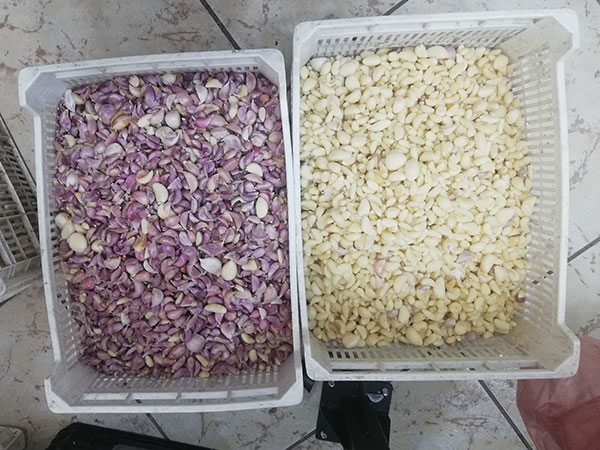
A garlic sorting machine can separate cloves that differ visibly from the accepted product in color, skin coverage, shape, size or surface condition. Typical targets include cloves with attached purple skin, incomplete peeling, yellow or brown disc...

Don’t bring only a business card. Bring the coffee your team is struggling to sort. From October 15 to 18, WESORT will be at Cafés de Colombia Expo 2026 in Bogotá. At Booth 2466, visitors can see how optical sorting responds to real coffee material...
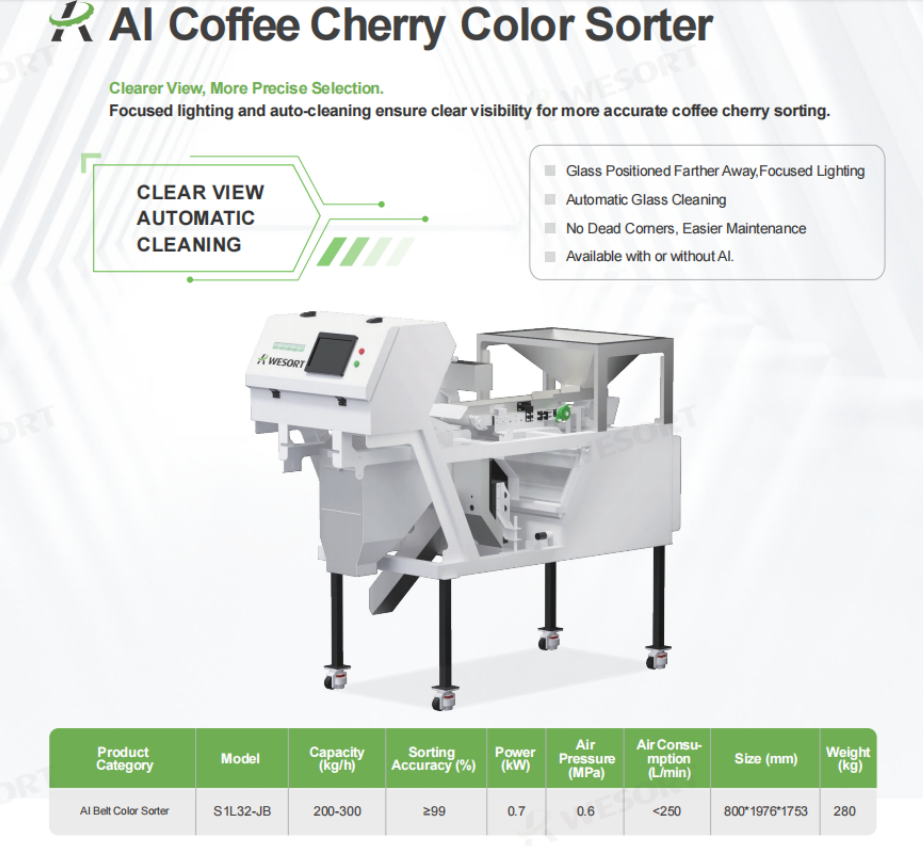
Industry Background and Problem Introduction Coffee processing combines natural variation in agricultural material with increasingly specific buyer and quality requirements. Fresh coffee cherries, parchment coffee, green beans and roasted beans are d...
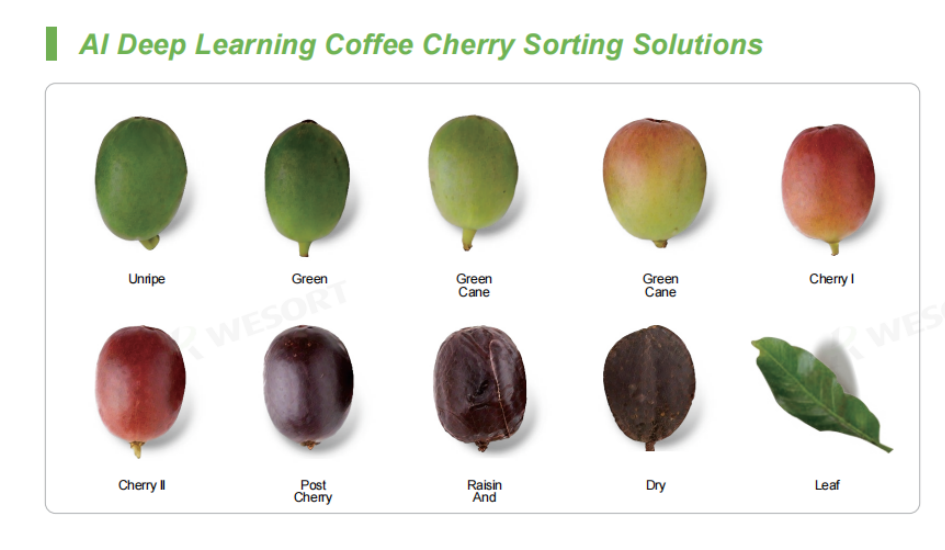
Sorting fresh coffee cherries before pulping or drying can help a processor separate visibly different fruit into more consistent lots. The right approach depends on the cherries, the acceptance standard and where the sorter will sit in the processin...

Every Pearl, Every Angle. 360° PANORAMIC AI PEARL SORTING The hardest part of pearl sorting is not seeing a pearl once. It is seeing enough of its surface to make a consistent decision. A dark spot may sit on the back. A fine crack may become visible...
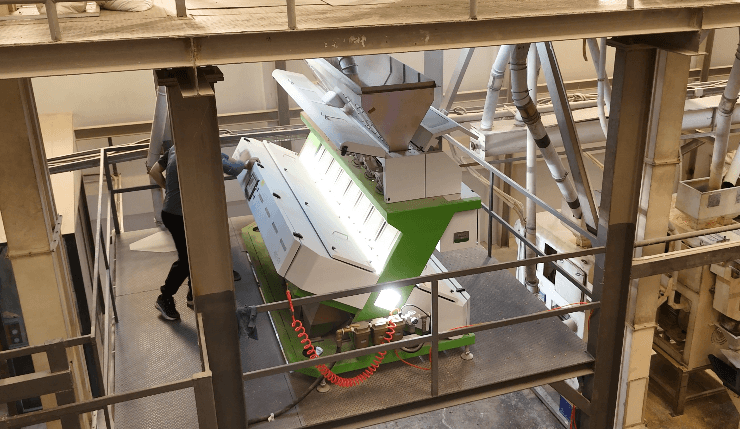
A practical way to choose a corn sorting machine is to compare your plant with corn processors that have already solved similar problems. WESORT has supplied corn sorting solutions for different production scales, from a dual-channel white-corn pro...
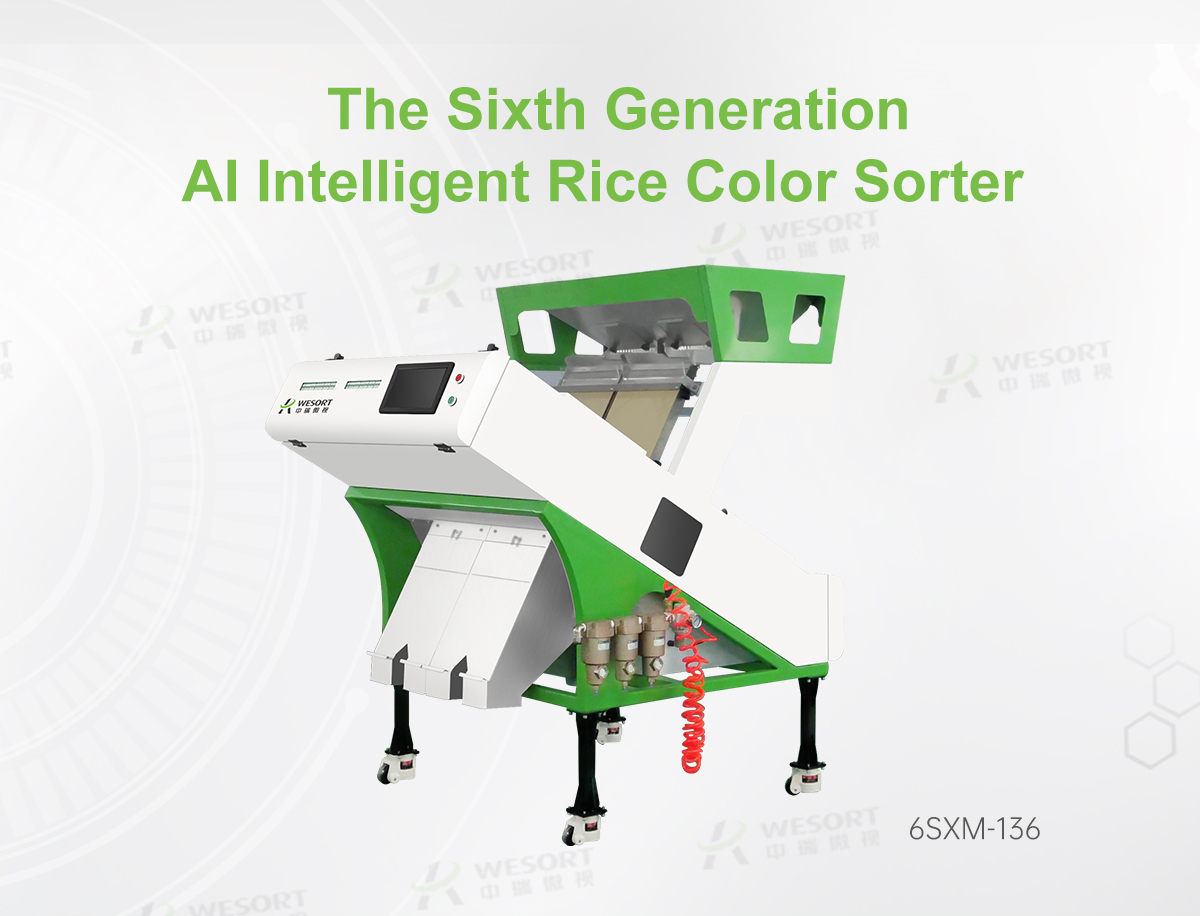
An optical rice sorter improves purity by turning visible differences into controlled separation decisions. Stable feeding presents the rice, illumination and cameras capture visible characteristics, software evaluates color and shape, and precisio...
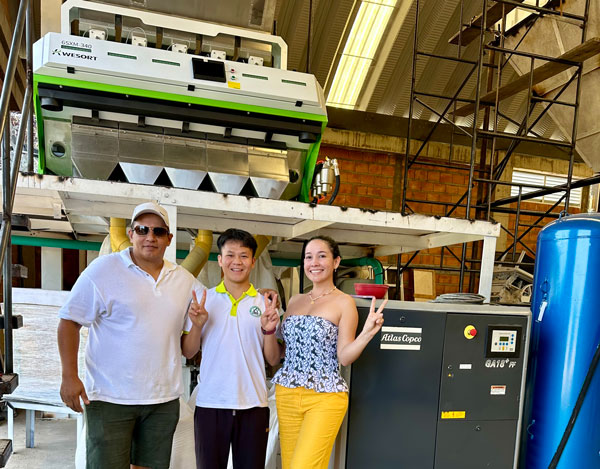
Choose a rice sorting machine by matching the rice variety, target defects, required throughput, finished-product standard, acceptable loss of good rice, and site utilities. Compare machines only after testing representative material and reviewing bo...
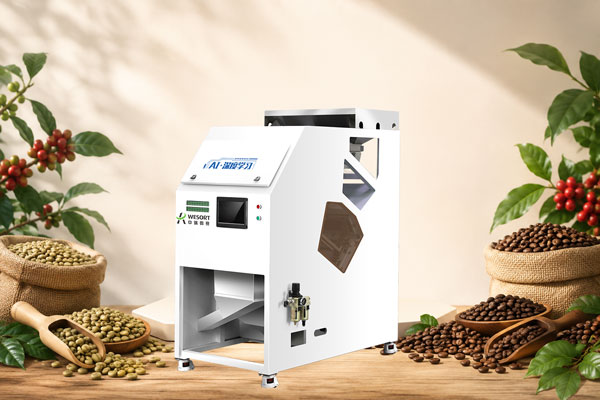
Coffee processors face a constant challenge when it comes to maintaining consistent quality across green and roasted coffee beans. Quakers, scorched beans, abnormal-color beans, broken beans, and foreign materials can affect the appearance and consis...
Mexico has a strong coffee-processing industry, with coffee producers and processors facing increasingly demanding requirements for quality, consistency, and production efficiency. From coffee cherries and green coffee beans to roasted coffee, effect...
Coffee quality control depends heavily on the equipment used to remove defective beans, foreign materials, and quality inconsistencies before roasting or export. For coffee processors, roasteries, and exporters, AI-powered optical color sorters h...
Coffee processors around the world are under growing pressure to deliver consistent quality while controlling costs and meeting strict export standards. Manual sorting—long the default method for removing quakers, scorched beans, and foreign matter...
Upgrade Your Sorting Solution with Exclusive Benefits In 2026. WESORT continues to move forward with innovation, quality, and commitment. We sincerely appreciate the trust and support from customers around the world. To give back to our global ...
The best bean-sorting result does not begin with a machine setting. It begins with a clear description of the beans you want to pack, the defects your buyer rejects and the amount of good product you are prepared to lose. Short answer: clean and s...
When nut processing enters its busiest weeks, inconsistent raw material, visible defects and foreign materials can quickly become production problems. For processors handling hazelnuts, pistachios, almonds, pecans, Brazil nuts, peanuts and other nut...
A mixed lot of dried chili rarely has just one problem. Dark pods sit beside red-brown pods, whole product is mixed with broken pieces, and stems or fibrous material remain in the flow. WESORT helps processors turn that mixed lot into clearly defin...
A reliable nut color sorter manufacturer should be able to prove three things before asking you to buy: that your actual material can be separated, that the proposed machine fits your production line, and that technical support will still be availa...