Shenzhen Wesort Optoelectronics Co., Ltd.
Address:Building 29, Longwangmiao Industrial Zone, Fuyong street, Bao'an District, Shenzhen, Guangdong Province, China.
Phone:+86 181 2370 6862

Coffee processing combines natural variation in agricultural material with increasingly specific buyer and quality requirements. Fresh coffee cherries, parchment coffee, green beans and roasted beans are different materials, and each stage presents a different sorting problem. A machine selected for dry coffee beans should not automatically be treated as the correct solution for fresh coffee fruit.
At the cherry stage, harvested lots may contain ripe fruit mixed with visibly green, partly ripe, overripe, dark or deteriorated cherries, as well as leaves and other foreign material. When these differences are handled only by manual inspection, the result can vary with operator experience, fatigue, labor availability and production volume. Removing usable fruit by mistake can also reduce recovery, while leaving unwanted cherries in the accepted stream can make the next processing stage less consistent.
Optical sorting provides a repeatable method for applying a defined visual standard. However, it should not be presented as a universal guarantee of final coffee quality or export acceptance. The result depends on whether the target differences are externally visible, how consistently the cherries are fed, the condition of the harvested fruit and the accepted/rejected standard established by the processor.
Shenzhen Wesort Optoelectronics Co., Ltd., operating under the WESORT color sorter brand, develops AI visual-recognition and optical-sorting equipment for multiple stages of coffee processing. Its company materials report more than 20 years of experience in visual-recognition technology and more than 120 patents, trademarks and other intellectual-property assets. For coffee applications, the important distinction is not the number of technology labels attached to a machine, but whether the equipment structure and recognition method fit the material being processed.
Manual graders must repeatedly judge color, ripeness and surface condition under changing production conditions. An optical sorter applies the configured decision criteria continuously to material passing through the inspection zone. Operators still define the standard and evaluate the accepted and rejected streams, but the machine provides a consistent method for repeating that decision at production scale.
Fresh coffee cherries contain moisture, roll easily and require controlled conveying. WESORT therefore uses a dedicated belt-type coffee cherry color sorter for this application rather than simply applying a dry-bean chute machine to the fruit.
The coffee cherry sorting process follows four main steps:
Controlled feeding: Coffee cherries enter the in-feed hopper and pass through a vibratory feeding section, which distributes the fruit onto a horizontal belt.
Optical image capture: As the cherries travel through the machine and leave the belt, front and rear camera zones capture images of their visible surfaces. Focused lighting supports stable image capture, while automatic viewing-window cleaning helps maintain visibility during operation.
AI-assisted classification: The system compares visible characteristics such as color, ripeness and surface condition with the processor’s accepted and rejected samples. Depending on the tested material, the sorting recipe can be configured for visibly green, partly ripe, overripe, dark or deteriorated cherries, selected surface abnormalities, leaves and other visually distinguishable foreign material.
Automatic separation: When a cherry matches the configured rejection criteria, the pneumatic ejection system directs it into the designated outlet. Recipes can be adjusted when the variety, origin, harvest condition or grading standard changes, but important material changes should be checked with representative samples.
The belt-based material path is intended to suit the movement characteristics of moist and rolling coffee fruit. WESORT can also evaluate customized stainless-steel construction when corrosion resistance, cleaning and contact with acidic coffee-fruit material are important to the project.
For many washing stations, farms and coffee processors, optical cherry sorting can be evaluated after reception and removal of unsuitable coarse material, but before pulping or the selected drying process. The correct installation point depends on the customer’s workflow. Inlet height, feeding method, outlet arrangement, available floor space and downstream equipment should therefore be reviewed before the machine layout is confirmed.
The accepted stream may proceed to the customer’s chosen wet or dry processing route. A recoverable secondary grade can also be directed separately when the visible categories are sufficiently distinct and the selected machine configuration provides the required outlets.
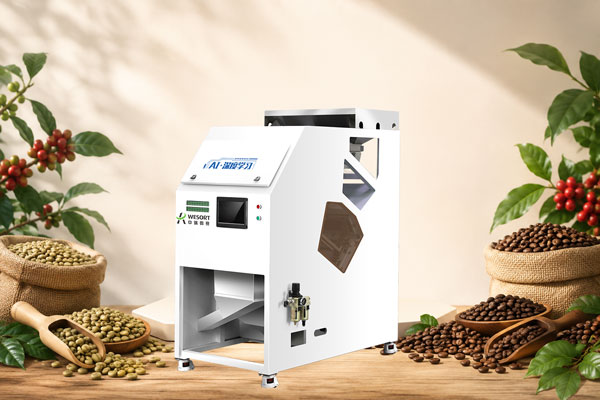
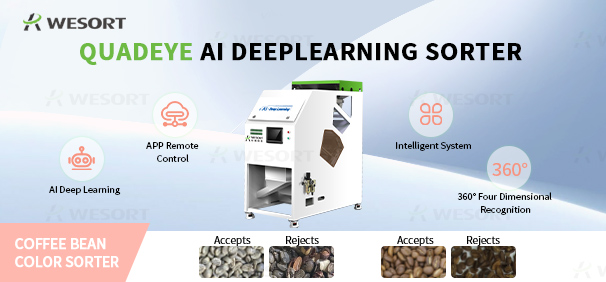
Green and roasted coffee beans are dry granular materials and can use chute-type optical sorters or selected QuadEye 360° AI coffee bean sorter configurations. QuadEye uses four-view imaging to inspect more of each bean’s visible surface, helping reduce the side-view limitations of conventional two-view inspection. Depending on the material and sample test, the system can be configured for visible differences such as discoloration, insect holes, wrinkles, cracks, broken beans, quakers, scorched beans and distinguishable foreign material.
AI deep learning, QuadEye multi-angle inspection and spectral sensing are configuration-dependent technologies. They should not be described as standard features operating together in every coffee machine. Optical and multi-angle camera systems primarily evaluate visible surface information. Near-infrared or other sensor configurations should only be specified when the target material, defect and detection method have been evaluated for the corresponding model.
Likewise, computing-power, identification-speed and sorting-accuracy figures cannot be used as universal coffee performance benchmarks. Any such metric must be connected to a defined machine configuration, material condition, defect target and documented test method.
Selecting a coffee sorter should begin with the processing stage and material behavior:
| Coffee material | Typical handling characteristics | WESORT solution direction | Typical visible sorting targets |
|---|---|---|---|
| Fresh coffee cherries | Moist, rolling and relatively delicate fruit | Dedicated belt-type coffee cherry sorter | Ripeness differences, dark or deteriorated fruit, selected surface abnormalities and visible foreign material |
| Parchment coffee | Condition varies with moisture and processing stage | Belt or chute configuration selected after evaluation | Visible color and condition differences and distinguishable foreign material |
| Green coffee beans | Dry granular material | Chute-type or QuadEye coffee bean sorter | Discoloration, visible insect damage, wrinkles, cracks, broken beans and foreign material |
| Roasted coffee beans | Dry beans with roast-related visible differences | Optical or QuadEye coffee bean sorter | Quakers, scorched beans, uneven color, broken beans and visible foreign material |
Before recommending a machine, WESORT evaluates the material, target defects, accepted and rejected samples, required throughput, expected reject ratio, number of output grades and existing line layout. This prevents a coffee-bean configuration from being incorrectly transferred to a fresh-cherry application.
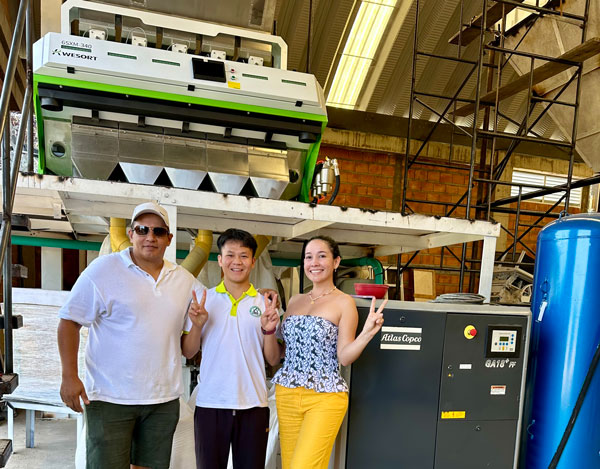
The Jason coffee cherry project in Malaysia provides a material-specific example. Jason purchased a WESORT machine in 2022 to mechanize the removal of visibly green, unripe and rotten cherries. Because his processing environment involved contact with fresh coffee fruit, he requested a customized stainless-steel machine.
At the time of his testimonial, Jason had used the equipment for approximately three years. He reported receiving operating and adjustment assistance through online video communication. When the main control board developed a problem, he said WESORT arranged a replacement and shipped it within about three days.
The case does not establish a universal accuracy, capacity or return-on-investment figure. Its value is that it demonstrates the complete project logic: identify the actual coffee-cherry problem, choose a suitable conveying structure, customize the machine material for the processing environment and maintain technical support after installation.
Quality control is not limited to green or roasted beans. More processors are evaluating visible ripeness and condition before pulping or drying so that different cherry groups can be managed earlier. This makes the receiving-stage acceptance standard and the location of the sorter increasingly important.
For fresh cherries, an advanced algorithm cannot compensate for unsuitable feeding or uncontrolled material movement. Belt speed, fruit distribution, moisture, rolling behavior and the proportion of unwanted cherries can all affect image capture and separation. A coffee cherry solution must therefore combine recognition with suitable conveying and line integration.
Fresh-fruit environments create different cleaning and maintenance requirements from dry-bean plants. Focused lighting, automatic viewing-window cleaning, accessible inspection areas and an appropriate machine material can support stable daily operation. Stainless-steel construction should be selected according to food-contact, cleaning and corrosion-resistance requirements rather than treated as a decorative upgrade.
Coffee cherry appearance changes with variety, origin and harvest condition. A useful sample test should include a representative mixed lot, clearly labeled accepted fruit, each rejected category and borderline cherries. The test helps determine whether the visible differences are sufficiently consistent, how the outlets should be arranged and which configuration should be evaluated for the required line.
WESORT’s contribution is based on applying different equipment structures to different coffee stages. Fresh cherries receive a belt-based sorting route designed around fruit handling, while processors can compare the available coffee bean color sorter solutions for green and roasted beans according to the application. These machines may share experience in image recognition and sorting control, but their conveying structures, camera arrangements, sensor configurations and performance data must be evaluated separately.
WESORT also supports coffee projects through material testing, recipe development, equipment customization, production-line connection planning, remote parameter assistance and spare-parts support. ISO 9001 and CE certification form part of the company’s published quality and export documentation, while the final configuration and sorting result remain subject to the customer’s material and test conditions.
Coffee processors should not select equipment from a generic claim that one technology sorts every coffee material in the same way. A more reliable evaluation follows six steps:
For a coffee cherry project, buyers can send WESORT photos, process videos and representative samples together with the required throughput, number of grades and line information. Buyers can then contact WESORT for a coffee cherry material test, allowing the team to evaluate the visible sorting targets and discuss a dedicated configuration without transferring unsupported specifications from a coffee bean machine.
Coffee processing combines natural variation in agricultural material with increasingly specific buyer and quality requirements. Fresh coffee cherries, parchment coffee, green beans and roasted beans are different materials, and each stage presents a different sorting problem. A machine selected for dry coffee beans should not automatically be treated as the correct solution for fresh coffee fruit.
At the cherry stage, harvested lots may contain ripe fruit mixed with visibly green, partly ripe, overripe, dark or deteriorated cherries, as well as leaves and other foreign material. When these differences are handled only by manual inspection, the result can vary with operator experience, fatigue, labor availability and production volume. Removing usable fruit by mistake can also reduce recovery, while leaving unwanted cherries in the accepted stream can make the next processing stage less consistent.
Optical sorting provides a repeatable method for applying a defined visual standard. However, it should not be presented as a universal guarantee of final coffee quality or export acceptance. The result depends on whether the target differences are externally visible, how consistently the cherries are fed, the condition of the harvested fruit and the accepted/rejected standard established by the processor.
Shenzhen Wesort Optoelectronics Co., Ltd., operating under the WESORT color sorter brand, develops AI visual-recognition and optical-sorting equipment for multiple stages of coffee processing. Its company materials report more than 20 years of experience in visual-recognition technology and more than 120 patents, trademarks and other intellectual-property assets. For coffee applications, the important distinction is not the number of technology labels attached to a machine, but whether the equipment structure and recognition method fit the material being processed.
Manual graders must repeatedly judge color, ripeness and surface condition under changing production conditions. An optical sorter applies the configured decision criteria continuously to material passing through the inspection zone. Operators still define the standard and evaluate the accepted and rejected streams, but the machine provides a consistent method for repeating that decision at production scale.
Fresh coffee cherries contain moisture, roll easily and require controlled conveying. WESORT therefore uses a dedicated belt-type coffee cherry color sorter for this application rather than simply applying a dry-bean chute machine to the fruit.
The coffee cherry sorting process follows four main steps:
Controlled feeding: Coffee cherries enter the in-feed hopper and pass through a vibratory feeding section, which distributes the fruit onto a horizontal belt.
Optical image capture: As the cherries travel through the machine and leave the belt, front and rear camera zones capture images of their visible surfaces. Focused lighting supports stable image capture, while automatic viewing-window cleaning helps maintain visibility during operation.
AI-assisted classification: The system compares visible characteristics such as color, ripeness and surface condition with the processor’s accepted and rejected samples. Depending on the tested material, the sorting recipe can be configured for visibly green, partly ripe, overripe, dark or deteriorated cherries, selected surface abnormalities, leaves and other visually distinguishable foreign material.
Automatic separation: When a cherry matches the configured rejection criteria, the pneumatic ejection system directs it into the designated outlet. Recipes can be adjusted when the variety, origin, harvest condition or grading standard changes, but important material changes should be checked with representative samples.
The belt-based material path is intended to suit the movement characteristics of moist and rolling coffee fruit. WESORT can also evaluate customized stainless-steel construction when corrosion resistance, cleaning and contact with acidic coffee-fruit material are important to the project.
For many washing stations, farms and coffee processors, optical cherry sorting can be evaluated after reception and removal of unsuitable coarse material, but before pulping or the selected drying process. The correct installation point depends on the customer’s workflow. Inlet height, feeding method, outlet arrangement, available floor space and downstream equipment should therefore be reviewed before the machine layout is confirmed.
The accepted stream may proceed to the customer’s chosen wet or dry processing route. A recoverable secondary grade can also be directed separately when the visible categories are sufficiently distinct and the selected machine configuration provides the required outlets.
Green and roasted coffee beans are dry granular materials and can use chute-type optical sorters or selected QuadEye 360° AI coffee bean sorter configurations. QuadEye uses four-view imaging to inspect more of each bean’s visible surface, helping reduce the side-view limitations of conventional two-view inspection. Depending on the material and sample test, the system can be configured for visible differences such as discoloration, insect holes, wrinkles, cracks, broken beans, quakers, scorched beans and distinguishable foreign material.
AI deep learning, QuadEye multi-angle inspection and spectral sensing are configuration-dependent technologies. They should not be described as standard features operating together in every coffee machine. Optical and multi-angle camera systems primarily evaluate visible surface information. Near-infrared or other sensor configurations should only be specified when the target material, defect and detection method have been evaluated for the corresponding model.
Likewise, computing-power, identification-speed and sorting-accuracy figures cannot be used as universal coffee performance benchmarks. Any such metric must be connected to a defined machine configuration, material condition, defect target and documented test method.
Selecting a coffee sorter should begin with the processing stage and material behavior:
| Coffee material | Typical handling characteristics | WESORT solution direction | Typical visible sorting targets |
|---|---|---|---|
| Fresh coffee cherries | Moist, rolling and relatively delicate fruit | Dedicated belt-type coffee cherry sorter | Ripeness differences, dark or deteriorated fruit, selected surface abnormalities and visible foreign material |
| Parchment coffee | Condition varies with moisture and processing stage | Belt or chute configuration selected after evaluation | Visible color and condition differences and distinguishable foreign material |
| Green coffee beans | Dry granular material | Chute-type or QuadEye coffee bean sorter | Discoloration, visible insect damage, wrinkles, cracks, broken beans and foreign material |
| Roasted coffee beans | Dry beans with roast-related visible differences | Optical or QuadEye coffee bean sorter | Quakers, scorched beans, uneven color, broken beans and visible foreign material |
Before recommending a machine, WESORT evaluates the material, target defects, accepted and rejected samples, required throughput, expected reject ratio, number of output grades and existing line layout. This prevents a coffee-bean configuration from being incorrectly transferred to a fresh-cherry application.
The Jason coffee cherry project in Malaysia provides a material-specific example. Jason purchased a WESORT machine in 2022 to mechanize the removal of visibly green, unripe and rotten cherries. Because his processing environment involved contact with fresh coffee fruit, he requested a customized stainless-steel machine.
At the time of his testimonial, Jason had used the equipment for approximately three years. He reported receiving operating and adjustment assistance through online video communication. When the main control board developed a problem, he said WESORT arranged a replacement and shipped it within about three days.
The case does not establish a universal accuracy, capacity or return-on-investment figure. Its value is that it demonstrates the complete project logic: identify the actual coffee-cherry problem, choose a suitable conveying structure, customize the machine material for the processing environment and maintain technical support after installation.
Quality control is not limited to green or roasted beans. More processors are evaluating visible ripeness and condition before pulping or drying so that different cherry groups can be managed earlier. This makes the receiving-stage acceptance standard and the location of the sorter increasingly important.
For fresh cherries, an advanced algorithm cannot compensate for unsuitable feeding or uncontrolled material movement. Belt speed, fruit distribution, moisture, rolling behavior and the proportion of unwanted cherries can all affect image capture and separation. A coffee cherry solution must therefore combine recognition with suitable conveying and line integration.
Fresh-fruit environments create different cleaning and maintenance requirements from dry-bean plants. Focused lighting, automatic viewing-window cleaning, accessible inspection areas and an appropriate machine material can support stable daily operation. Stainless-steel construction should be selected according to food-contact, cleaning and corrosion-resistance requirements rather than treated as a decorative upgrade.
Coffee cherry appearance changes with variety, origin and harvest condition. A useful sample test should include a representative mixed lot, clearly labeled accepted fruit, each rejected category and borderline cherries. The test helps determine whether the visible differences are sufficiently consistent, how the outlets should be arranged and which configuration should be evaluated for the required line.
WESORT’s contribution is based on applying different equipment structures to different coffee stages. Fresh cherries receive a belt-based sorting route designed around fruit handling, while processors can compare the available coffee bean color sorter solutions for green and roasted beans according to the application. These machines may share experience in image recognition and sorting control, but their conveying structures, camera arrangements, sensor configurations and performance data must be evaluated separately.
WESORT also supports coffee projects through material testing, recipe development, equipment customization, production-line connection planning, remote parameter assistance and spare-parts support. ISO 9001 and CE certification form part of the company’s published quality and export documentation, while the final configuration and sorting result remain subject to the customer’s material and test conditions.
Coffee processors should not select equipment from a generic claim that one technology sorts every coffee material in the same way. A more reliable evaluation follows six steps:
For a coffee cherry project, buyers can send WESORT photos, process videos and representative samples together with the required throughput, number of grades and line information. Buyers can then contact WESORT for a coffee cherry material test, allowing the team to evaluate the visible sorting targets and discuss a dedicated configuration without transferring unsupported specifications from a coffee bean machine.
Choose a rice sorting machine by matching the rice variety, target defects, required throughput, finished-product standard, acceptable loss of good rice, and site utilities. Compare machines only after testing representative material and reviewing bo...
Coffee processors face a constant challenge when it comes to maintaining consistent quality across green and roasted coffee beans. Quakers, scorched beans, abnormal-color beans, broken beans, and foreign materials can affect the appearance and consis...

Mexico has a strong coffee-processing industry, with coffee producers and processors facing increasingly demanding requirements for quality, consistency, and production efficiency. From coffee cherries and green coffee beans to roasted coffee, effect...
Coffee quality control depends heavily on the equipment used to remove defective beans, foreign materials, and quality inconsistencies before roasting or export. For coffee processors, roasteries, and exporters, AI-powered optical color sorters h...
Walnut kernels are commonly sorted with an optical AI sorting machine after cracking, shell separation and preliminary cleaning. The best configuration depends on whether the plant needs colour sorting, visible defect removal, multi-grade separation,...
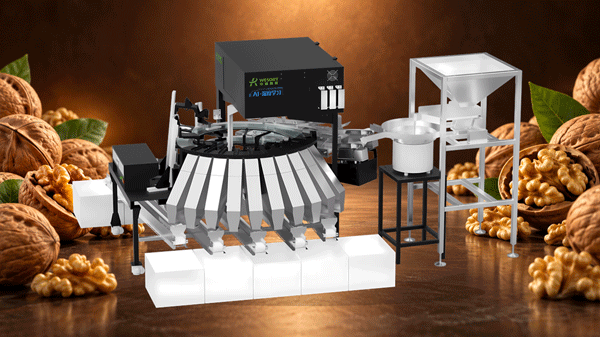
A walnut kernel sorter should do more than remove dark pieces. It should protect valuable halves, separate commercial grades, recognise the visible defects that affect your selling price and fit the way your plant already cracks, cleans, grades and p...
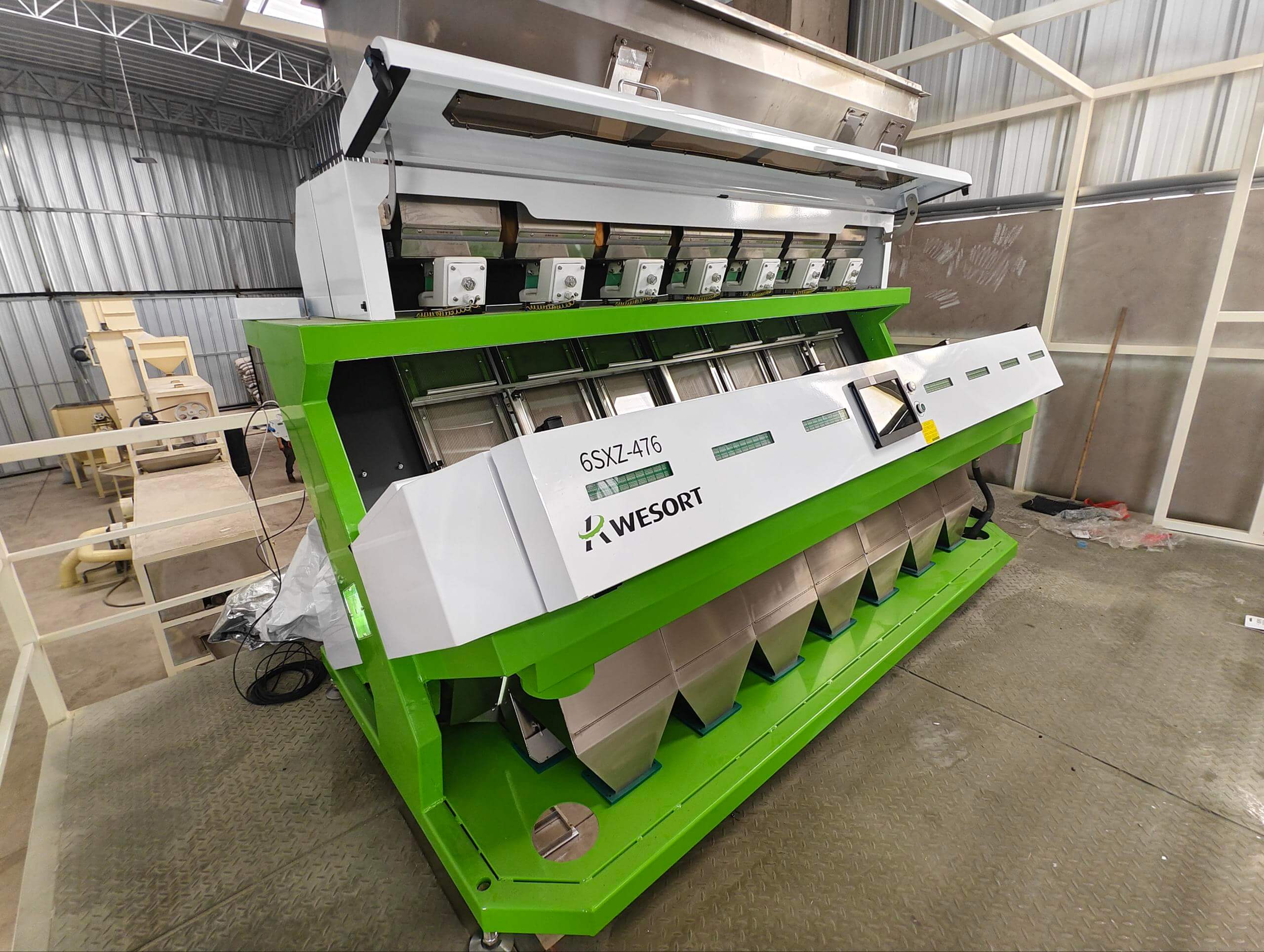
The best bean-sorting result does not begin with a machine setting. It begins with a clear description of the beans you want to pack, the defects your buyer rejects and the amount of good product you are prepared to lose. Short answer: clean and s...

When nut processing enters its busiest weeks, inconsistent raw material, visible defects and foreign materials can quickly become production problems. For processors handling hazelnuts, pistachios, almonds, pecans, Brazil nuts, peanuts and other nut...
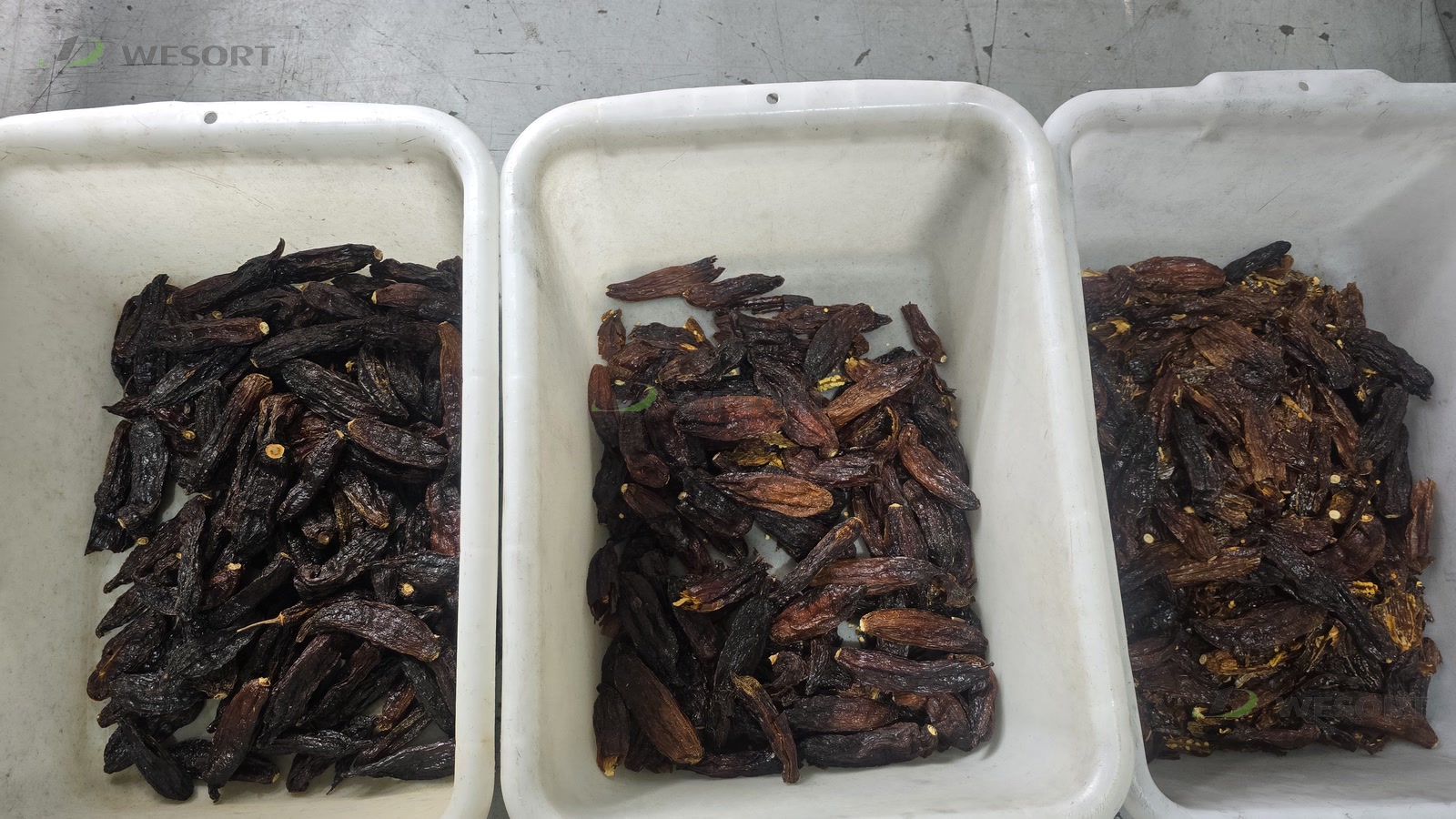
A mixed lot of dried chili rarely has just one problem. Dark pods sit beside red-brown pods, whole product is mixed with broken pieces, and stems or fibrous material remain in the flow. WESORT helps processors turn that mixed lot into clearly defin...
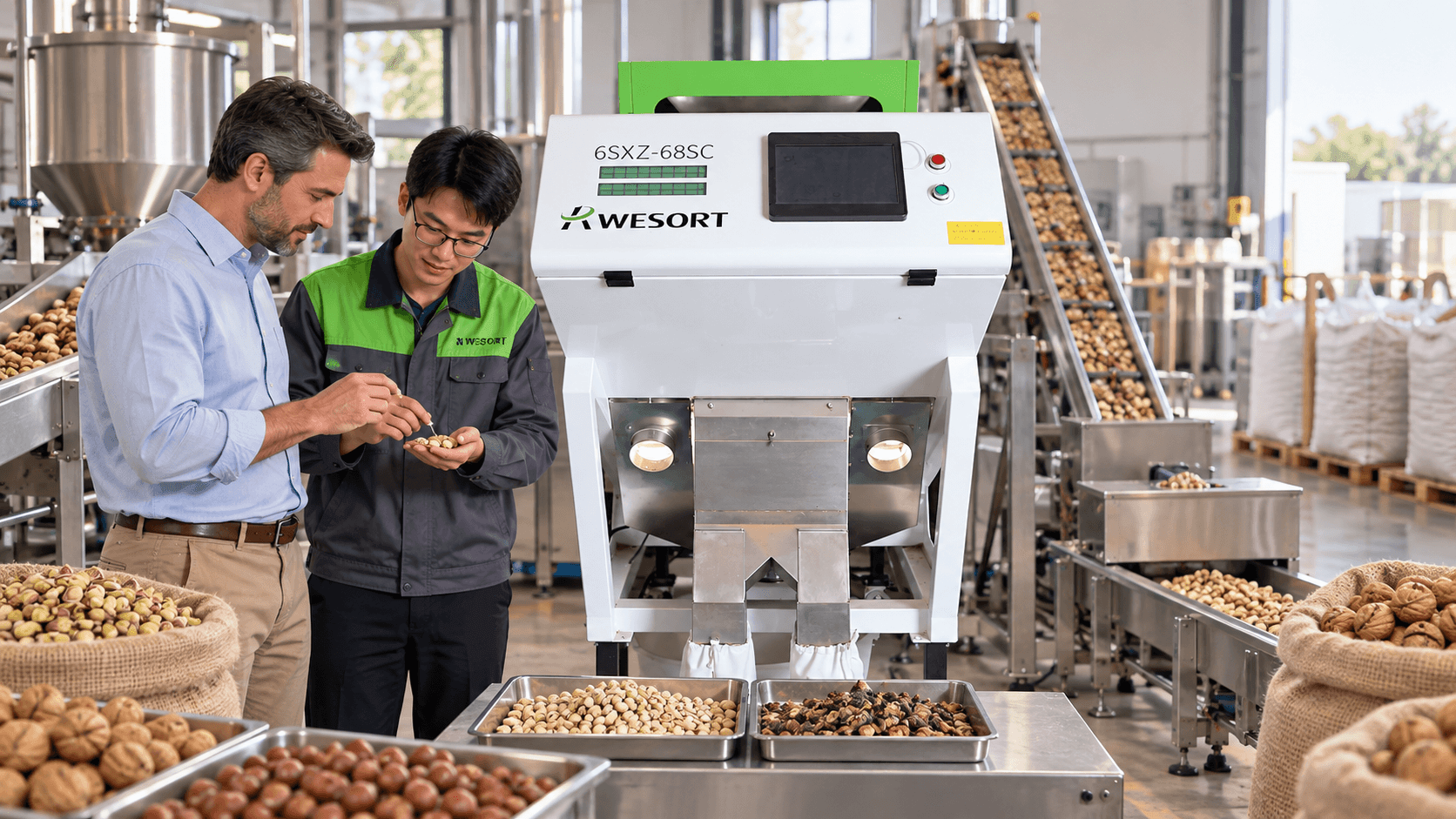
A reliable nut color sorter manufacturer should be able to prove three things before asking you to buy: that your actual material can be separated, that the proposed machine fits your production line, and that technical support will still be availa...
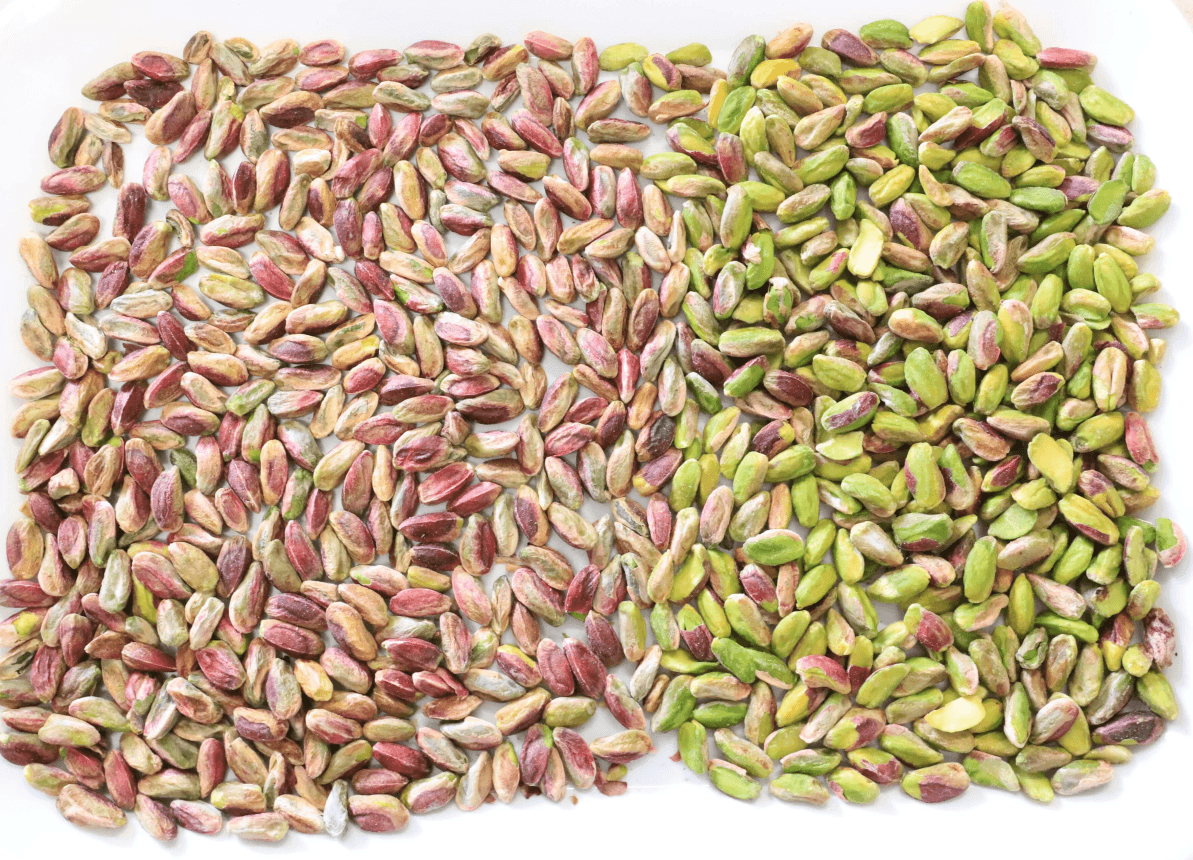
A pistachio sorter should be configured for the material entering it, not for the word “pistachio” alone. An in-shell line may need to separate open and closed shells. A kernel line may need color grades and removal of broken or dark pieces. A post...
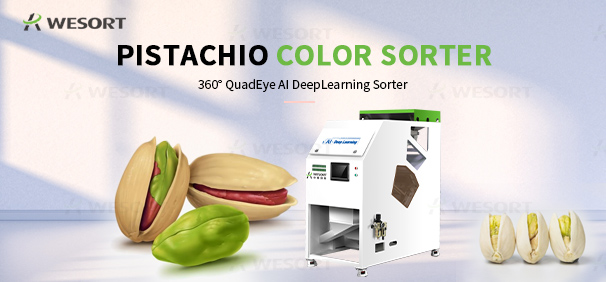
Choosing the right pistachio sorting machine in Turkey is not simply a matter of comparing machine width, number of chutes or advertised capacity. For pistachio processors, the more important question is: What exactly does the machine need to sep...
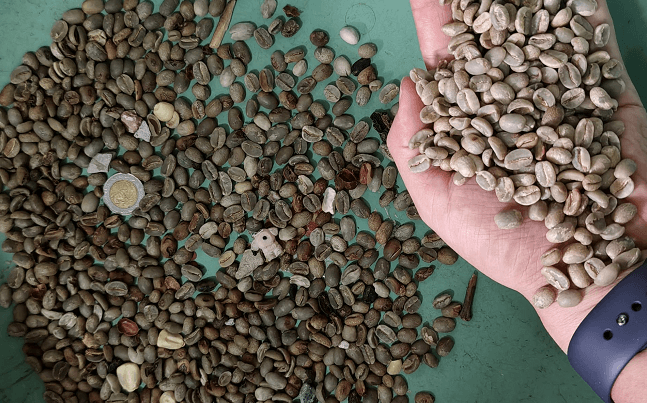
Choosing a coffee sorting machine in Colombia should not begin with the number of chutes or a headline capacity. It should begin with five facts about the coffee entering your line and the product you need to deliver. Without them, two machines th...
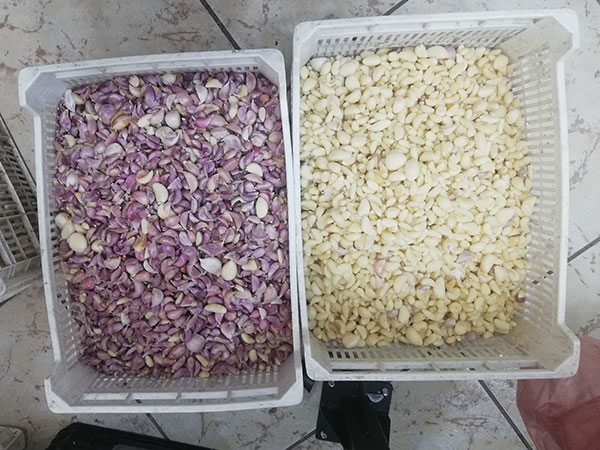
A garlic sorting machine can separate cloves that differ visibly from the accepted product in color, skin coverage, shape, size or surface condition. Typical targets include cloves with attached purple skin, incomplete peeling, yellow or brown disc...

Don’t bring only a business card. Bring the coffee your team is struggling to sort. From October 15 to 18, WESORT will be at Cafés de Colombia Expo 2026 in Bogotá. At Booth 2466, visitors can see how optical sorting responds to real coffee material...
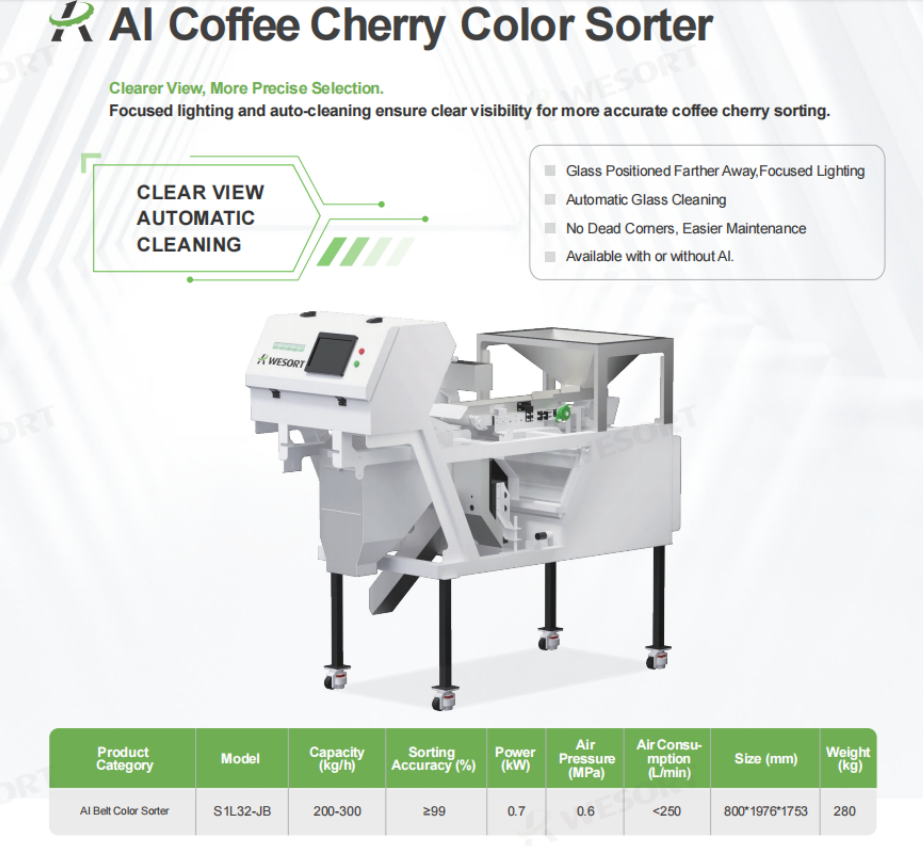
Industry Background and Problem Introduction Coffee processing combines natural variation in agricultural material with increasingly specific buyer and quality requirements. Fresh coffee cherries, parchment coffee, green beans and roasted beans are d...
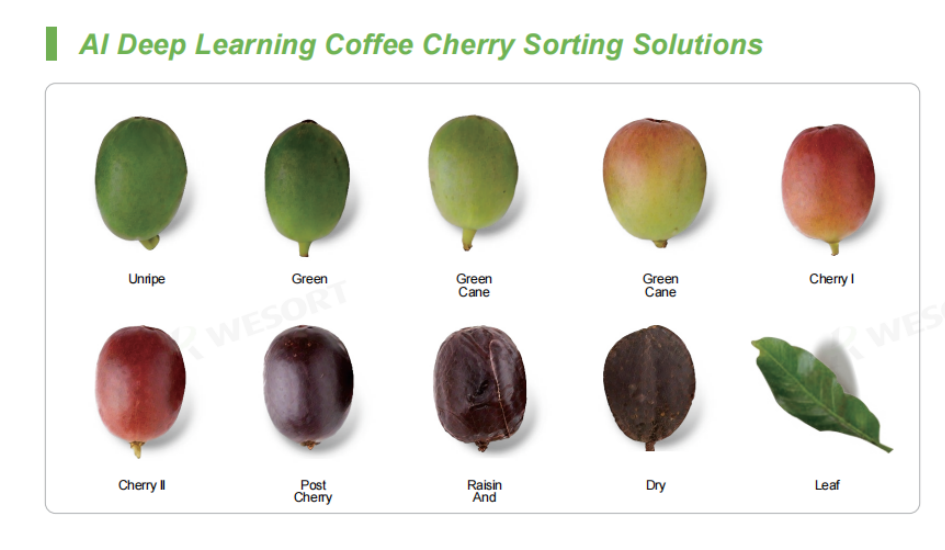
Sorting fresh coffee cherries before pulping or drying can help a processor separate visibly different fruit into more consistent lots. The right approach depends on the cherries, the acceptance standard and where the sorter will sit in the processin...

Every Pearl, Every Angle. 360° PANORAMIC AI PEARL SORTING The hardest part of pearl sorting is not seeing a pearl once. It is seeing enough of its surface to make a consistent decision. A dark spot may sit on the back. A fine crack may become visible...
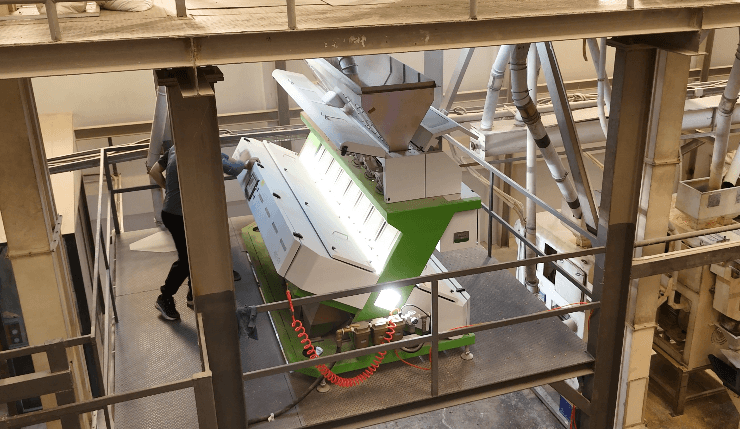
A practical way to choose a corn sorting machine is to compare your plant with corn processors that have already solved similar problems. WESORT has supplied corn sorting solutions for different production scales, from a dual-channel white-corn pro...
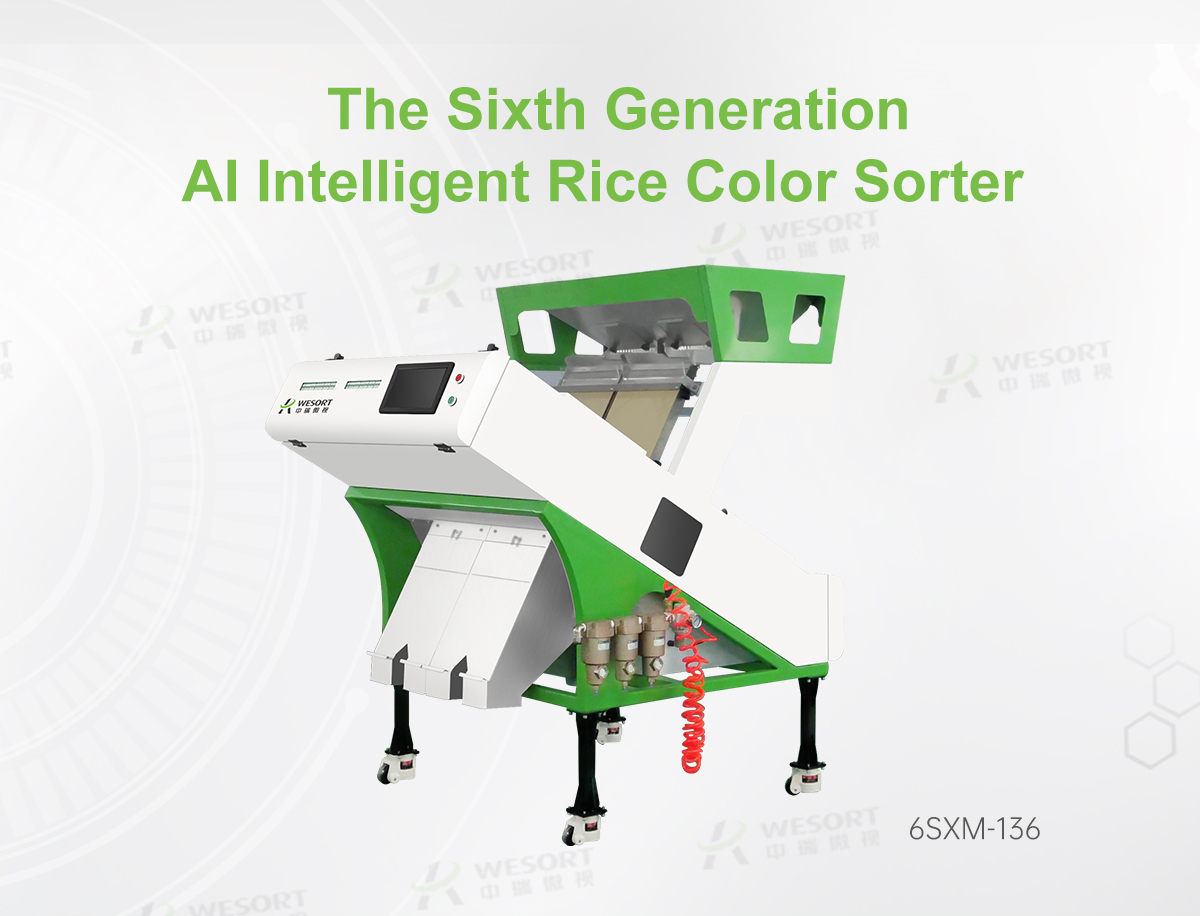
An optical rice sorter improves purity by turning visible differences into controlled separation decisions. Stable feeding presents the rice, illumination and cameras capture visible characteristics, software evaluates color and shape, and precisio...
Choose a rice sorting machine by matching the rice variety, target defects, required throughput, finished-product standard, acceptable loss of good rice, and site utilities. Compare machines only after testing representative material and reviewing bo...
Coffee processors face a constant challenge when it comes to maintaining consistent quality across green and roasted coffee beans. Quakers, scorched beans, abnormal-color beans, broken beans, and foreign materials can affect the appearance and consis...
Mexico has a strong coffee-processing industry, with coffee producers and processors facing increasingly demanding requirements for quality, consistency, and production efficiency. From coffee cherries and green coffee beans to roasted coffee, effect...
Coffee quality control depends heavily on the equipment used to remove defective beans, foreign materials, and quality inconsistencies before roasting or export. For coffee processors, roasteries, and exporters, AI-powered optical color sorters h...
Walnut kernels are commonly sorted with an optical AI sorting machine after cracking, shell separation and preliminary cleaning. The best configuration depends on whether the plant needs colour sorting, visible defect removal, multi-grade separation,...
A walnut kernel sorter should do more than remove dark pieces. It should protect valuable halves, separate commercial grades, recognise the visible defects that affect your selling price and fit the way your plant already cracks, cleans, grades and p...
The best bean-sorting result does not begin with a machine setting. It begins with a clear description of the beans you want to pack, the defects your buyer rejects and the amount of good product you are prepared to lose. Short answer: clean and s...
When nut processing enters its busiest weeks, inconsistent raw material, visible defects and foreign materials can quickly become production problems. For processors handling hazelnuts, pistachios, almonds, pecans, Brazil nuts, peanuts and other nut...