Shenzhen Wesort Optoelectronics Co., Ltd.
Address:Building 29, Longwangmiao Industrial Zone, Fuyong street, Bao'an District, Shenzhen, Guangdong Province, China.
Phone:+86 181 2370 6862

Under the general trend of environmental protection, resource recycling, and green manufacturing, more and more companies are investing in plastic recycling and regeneration industries. Plastic waste has many colors, and it is difficult to achieve purity standards for mixed recycling. Manual sorting is inefficient and costly.
Plastic color sorter machine automatically removes heterochromatic plastics through high-speed image acquisition and precise optical recognition to achieve efficient sorting. Its introduction has greatly promoted the development of the plastic industry towards automation and standardization.
1. Feeding system
Waste plastics are evenly fed to the conveyor belt through vibration or airflow to ensure that a single layer of material enters the recognition area.
2. Image acquisition: CCD+LED light source
High-speed camera with shadowless cold light or multi-spectral lighting to capture each material in real time.
3. Visual recognition and AI algorithm
Through deep learning models, color, material, shape, and defects are identified to achieve the "visual + semantic" recognition level.
4. High-speed jet rejection
When mixed colors, foreign materials, or defective materials are found, the jet is controlled to be accurately rejected within 0.01 seconds to ensure the clean selection rate.
5. Discharge partition
The sorted high-quality plastic flows to the collection tank, while the waste or inferior materials are discharged, truly realizing "one machine, multiple bags".

Recognition speed: high-frequency 1200/s rejection, 20 billion times stable operation
Recognition ability: micro-photography, high-definition, 0.01m㎡ fine can be identified
Processing ability: imported chip, 3.2 billion times/second high-speed calculation
Material recognition ability: supports PET, PVC, PP, PE, ABS, PC, etc.
Light source life: OSRAM LED shadowless cold light, 5 years of light decay <2%, 10 years of long-term use
Intelligent system: AI model self-learning + remote debugging + preset program
These performance indicators determine whether the plastic color sorter machine can operate stably in actual applications and meet customers' high requirements for production capacity and purity.
As a national high-tech enterprise, WESORT has been focusing on visual sorting systems for many years, developing and mass-producing a variety of plastic automatic sorting equipment. Multiple models meet the needs of individual processing plants and large recycling centers at the same time:
High stability: Passed ISO9001 and CE certification, the equipment operates stably and is easy to maintain.
Intelligent recognition system: The AI deep visual model library covers more than 1.000 material scenarios and is suitable for a variety of color combinations.
Sample customization capability: Supports free testing, with a sample recognition accuracy rate of up to 99%.
Rich implementation cases: Overseas warehouses have been established in Vietnam, Thailand, Indonesia, Italy, Mexico, and other countries worldwide, with cumulative deliveries made in over 120 countries.
With strong manufacturing and service capabilities, WESORT has become a highly recognized plastic color sorter factory.

Analyze from three aspects: materials, production capacity, and configuration requirements to help choose the right equipment:
1. By material
PET, PVC flakes: It is recommended to choose a model with stronger spectral recognition.
Mixed color engineering materials (PP, ABS, PC, etc.): The algorithm requires more complex support and needs to support training recognition.
2. By form
Thin flakes/flakes: Anti-sticking conveying system is required to ensure layered loading.
Granules/granular materials: Focus on checking the recognition field of view and spray valve response speed.
3. By output
Small daily ton level: WESORT small/medium standard machine is recommended.
Large-scale production line: WESORT multi-channel large model can be selected to efficiently match your assembly line.
"Plastic sorting by color" is the entry keyword to enter the color sorting industry, but color is only the first step. It needs to be combined with material recognition to achieve export-grade purity standards.
WESORT has successfully achieved color + material parallel sorting of PET transparent materials ➡ mixed color materials ➡ PVC flakes ➡ black materials, etc. using multi-spectral + AI models.
WESORT customer case 1:
A recycled material factory in Vietnam introduced 2 1.5 tons/hour models. After color sorting alone, the export-grade raw material rate increased by 15%, and the annual income exceeded 300.000 US dollars.
WESORT customer case 2:
After replacing manual color sorting, a plastic granule factory in Southeast Asia increased its production capacity by 200%, saved 22 people, and the payback period of a single machine was less than 8 months.
Plastic color sorters can distinguish colors and materials, especially the new generation of equipment led by WESORT in AI deep learning.
To select an appropriate model, you need to determine the configuration based on the plastic material, production scale and budget.
WESORT provides free material measurement to ensure the configuration of a reasonable model. Choosing WESORT can provide you with a fast response team and local services to avoid production risks.
If you are looking for a high-speed plastic sorting machine or other plastic color sorter machines, it is recommended that you:
Prepare 20-50 kg of sample materials and contact WESORT.
Arrange online/offline demonstrations and tests;
Compare the net selection rate, material identification accuracy, carry-out rate, and equipment stability;
Determine the payback period and evaluate the after-sales response efficiency.
Choosing the right equipment is not only for color sorting, but also to ensure the recycling quality from the material level, bringing long-term growth to the company.
Under the general trend of environmental protection, resource recycling, and green manufacturing, more and more companies are investing in plastic recycling and regeneration industries. Plastic waste has many colors, and it is difficult to achieve purity standards for mixed recycling. Manual sorting is inefficient and costly.
Plastic color sorter machine automatically removes heterochromatic plastics through high-speed image acquisition and precise optical recognition to achieve efficient sorting. Its introduction has greatly promoted the development of the plastic industry towards automation and standardization.
1. Feeding system
Waste plastics are evenly fed to the conveyor belt through vibration or airflow to ensure that a single layer of material enters the recognition area.
2. Image acquisition: CCD+LED light source
High-speed camera with shadowless cold light or multi-spectral lighting to capture each material in real time.
3. Visual recognition and AI algorithm
Through deep learning models, color, material, shape, and defects are identified to achieve the "visual + semantic" recognition level.
4. High-speed jet rejection
When mixed colors, foreign materials, or defective materials are found, the jet is controlled to be accurately rejected within 0.01 seconds to ensure the clean selection rate.
5. Discharge partition
The sorted high-quality plastic flows to the collection tank, while the waste or inferior materials are discharged, truly realizing "one machine, multiple bags".
Recognition speed: high-frequency 1200/s rejection, 20 billion times stable operation
Recognition ability: micro-photography, high-definition, 0.01m㎡ fine can be identified
Processing ability: imported chip, 3.2 billion times/second high-speed calculation
Material recognition ability: supports PET, PVC, PP, PE, ABS, PC, etc.
Light source life: OSRAM LED shadowless cold light, 5 years of light decay <2%, 10 years of long-term use
Intelligent system: AI model self-learning + remote debugging + preset program
These performance indicators determine whether the plastic color sorter machine can operate stably in actual applications and meet customers' high requirements for production capacity and purity.
As a national high-tech enterprise, WESORT has been focusing on visual sorting systems for many years, developing and mass-producing a variety of plastic automatic sorting equipment. Multiple models meet the needs of individual processing plants and large recycling centers at the same time:
High stability: Passed ISO9001 and CE certification, the equipment operates stably and is easy to maintain.
Intelligent recognition system: The AI deep visual model library covers more than 1.000 material scenarios and is suitable for a variety of color combinations.
Sample customization capability: Supports free testing, with a sample recognition accuracy rate of up to 99%.
Rich implementation cases: Overseas warehouses have been established in Vietnam, Thailand, Indonesia, Italy, Mexico, and other countries worldwide, with cumulative deliveries made in over 120 countries.
With strong manufacturing and service capabilities, WESORT has become a highly recognized plastic color sorter factory.
Analyze from three aspects: materials, production capacity, and configuration requirements to help choose the right equipment:
1. By material
PET, PVC flakes: It is recommended to choose a model with stronger spectral recognition.
Mixed color engineering materials (PP, ABS, PC, etc.): The algorithm requires more complex support and needs to support training recognition.
2. By form
Thin flakes/flakes: Anti-sticking conveying system is required to ensure layered loading.
Granules/granular materials: Focus on checking the recognition field of view and spray valve response speed.
3. By output
Small daily ton level: WESORT small/medium standard machine is recommended.
Large-scale production line: WESORT multi-channel large model can be selected to efficiently match your assembly line.
"Plastic sorting by color" is the entry keyword to enter the color sorting industry, but color is only the first step. It needs to be combined with material recognition to achieve export-grade purity standards.
WESORT has successfully achieved color + material parallel sorting of PET transparent materials ➡ mixed color materials ➡ PVC flakes ➡ black materials, etc. using multi-spectral + AI models.
WESORT customer case 1:
A recycled material factory in Vietnam introduced 2 1.5 tons/hour models. After color sorting alone, the export-grade raw material rate increased by 15%, and the annual income exceeded 300.000 US dollars.
WESORT customer case 2:
After replacing manual color sorting, a plastic granule factory in Southeast Asia increased its production capacity by 200%, saved 22 people, and the payback period of a single machine was less than 8 months.
Plastic color sorters can distinguish colors and materials, especially the new generation of equipment led by WESORT in AI deep learning.
To select an appropriate model, you need to determine the configuration based on the plastic material, production scale and budget.
WESORT provides free material measurement to ensure the configuration of a reasonable model. Choosing WESORT can provide you with a fast response team and local services to avoid production risks.
If you are looking for a high-speed plastic sorting machine or other plastic color sorter machines, it is recommended that you:
Prepare 20-50 kg of sample materials and contact WESORT.
Arrange online/offline demonstrations and tests;
Compare the net selection rate, material identification accuracy, carry-out rate, and equipment stability;
Determine the payback period and evaluate the after-sales response efficiency.
Choosing the right equipment is not only for color sorting, but also to ensure the recycling quality from the material level, bringing long-term growth to the company.

Mexico has a strong coffee-processing industry, with coffee producers and processors facing increasingly demanding requirements for quality, consistency, and production efficiency. From coffee cherries and green coffee beans to roasted coffee, effect...
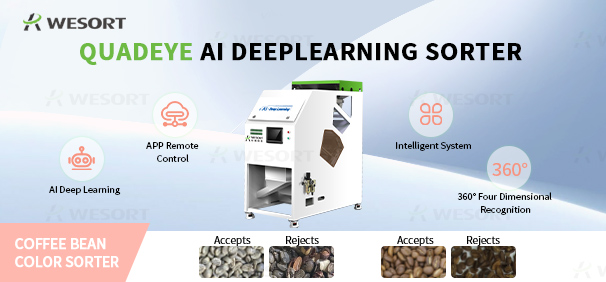
Coffee quality control depends heavily on the equipment used to remove defective beans, foreign materials, and quality inconsistencies before roasting or export. For coffee processors, roasteries, and exporters, AI-powered optical color sorters h...
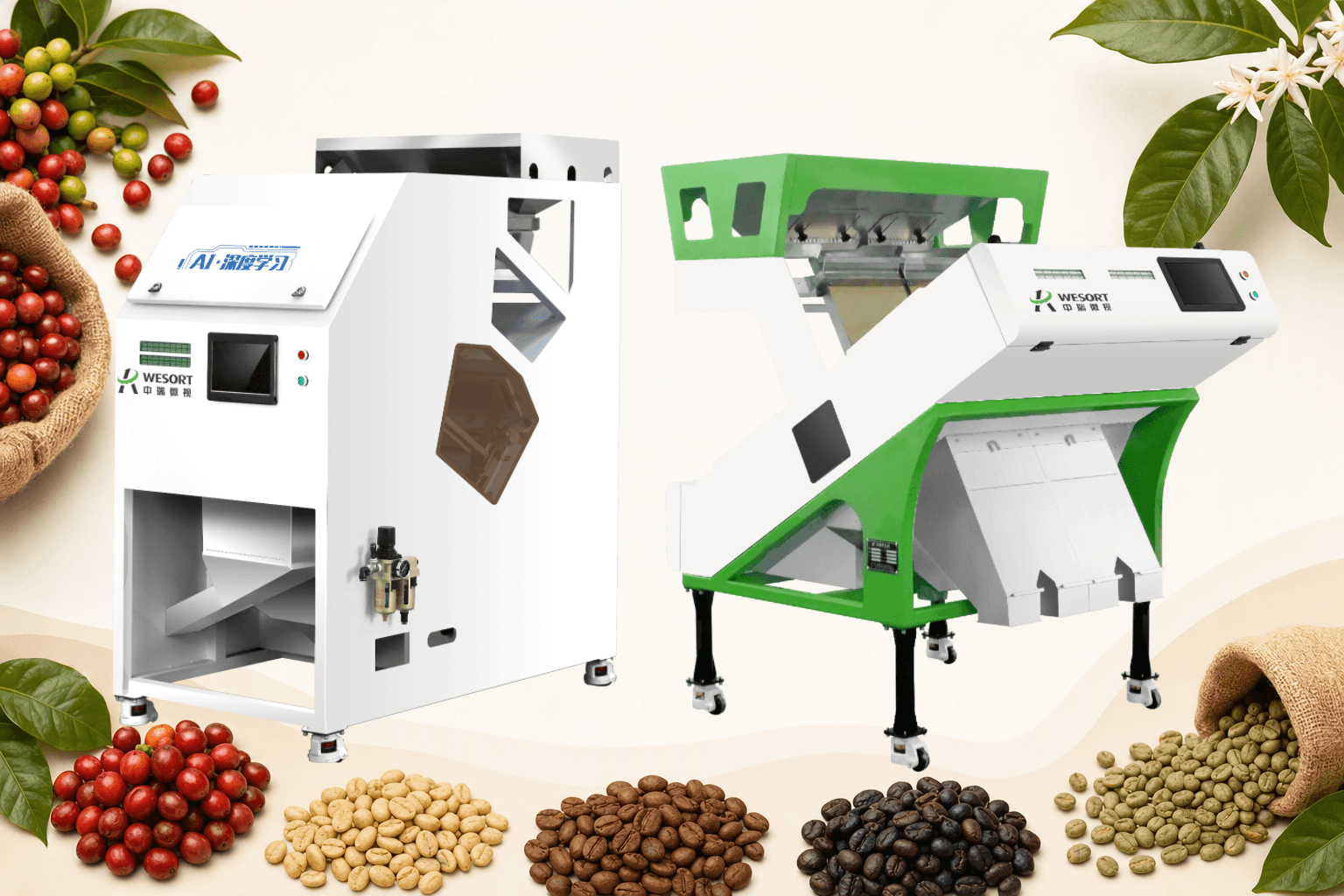
Coffee processors around the world are under growing pressure to deliver consistent quality while controlling costs and meeting strict export standards. Manual sorting—long the default method for removing quakers, scorched beans, and foreign matter...

Upgrade Your Sorting Solution with Exclusive Benefits In 2026. WESORT continues to move forward with innovation, quality, and commitment. We sincerely appreciate the trust and support from customers around the world. To give back to our global ...
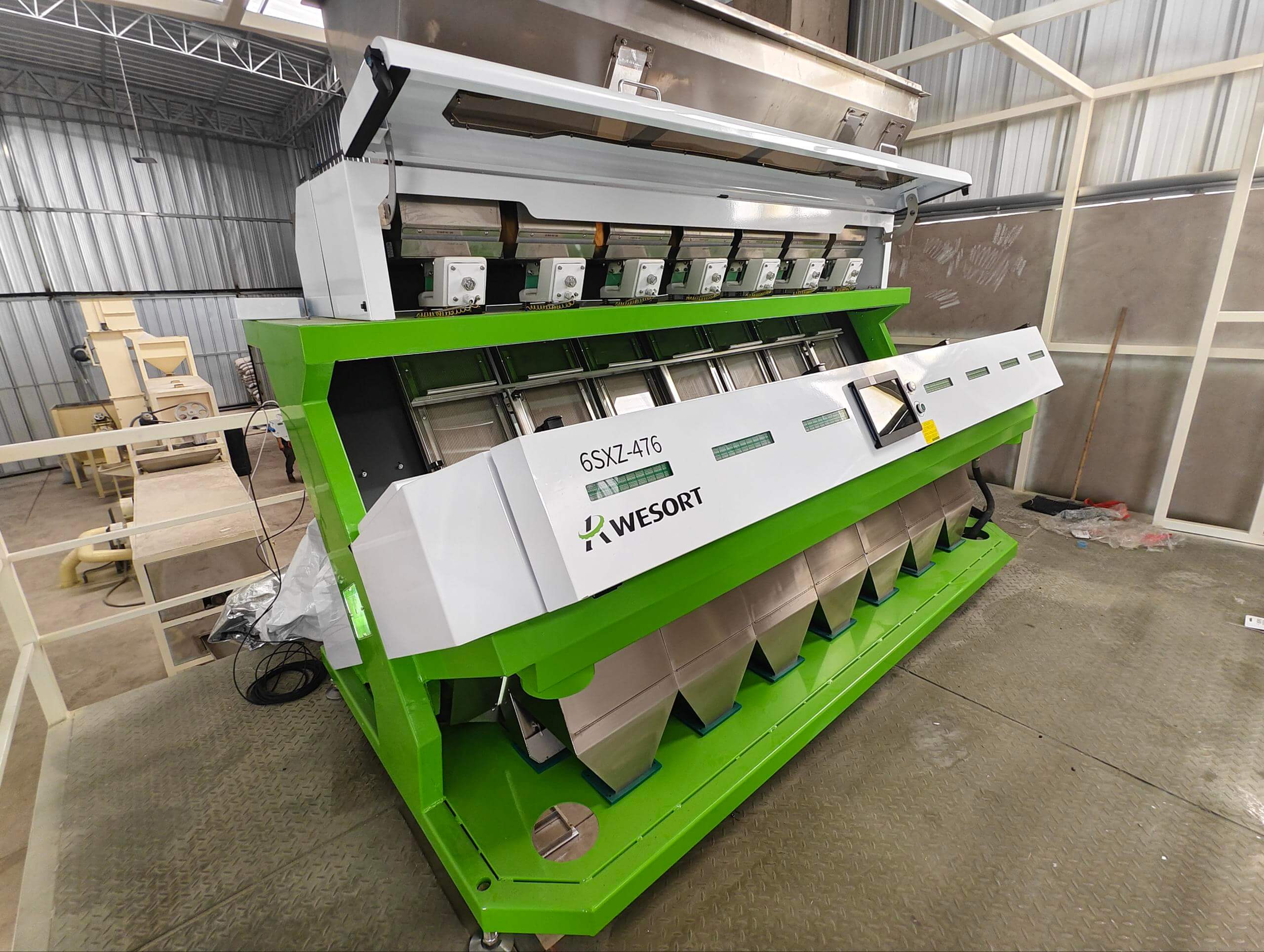
The best bean-sorting result does not begin with a machine setting. It begins with a clear description of the beans you want to pack, the defects your buyer rejects and the amount of good product you are prepared to lose. Short answer: clean and s...
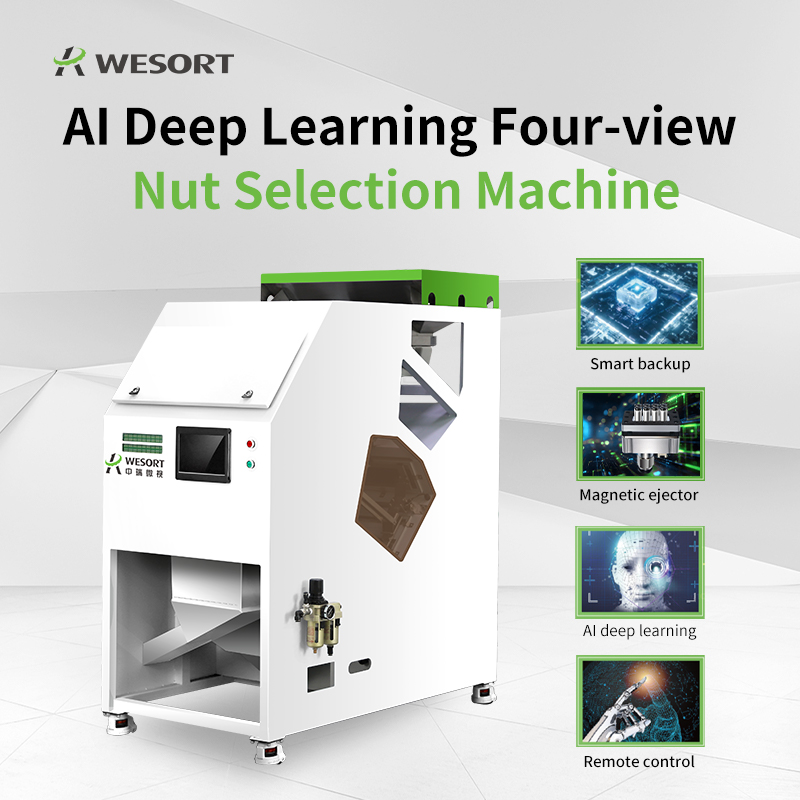
When nut processing enters its busiest weeks, inconsistent raw material, visible defects and foreign materials can quickly become production problems. For processors handling hazelnuts, pistachios, almonds, pecans, Brazil nuts, peanuts and other nut...
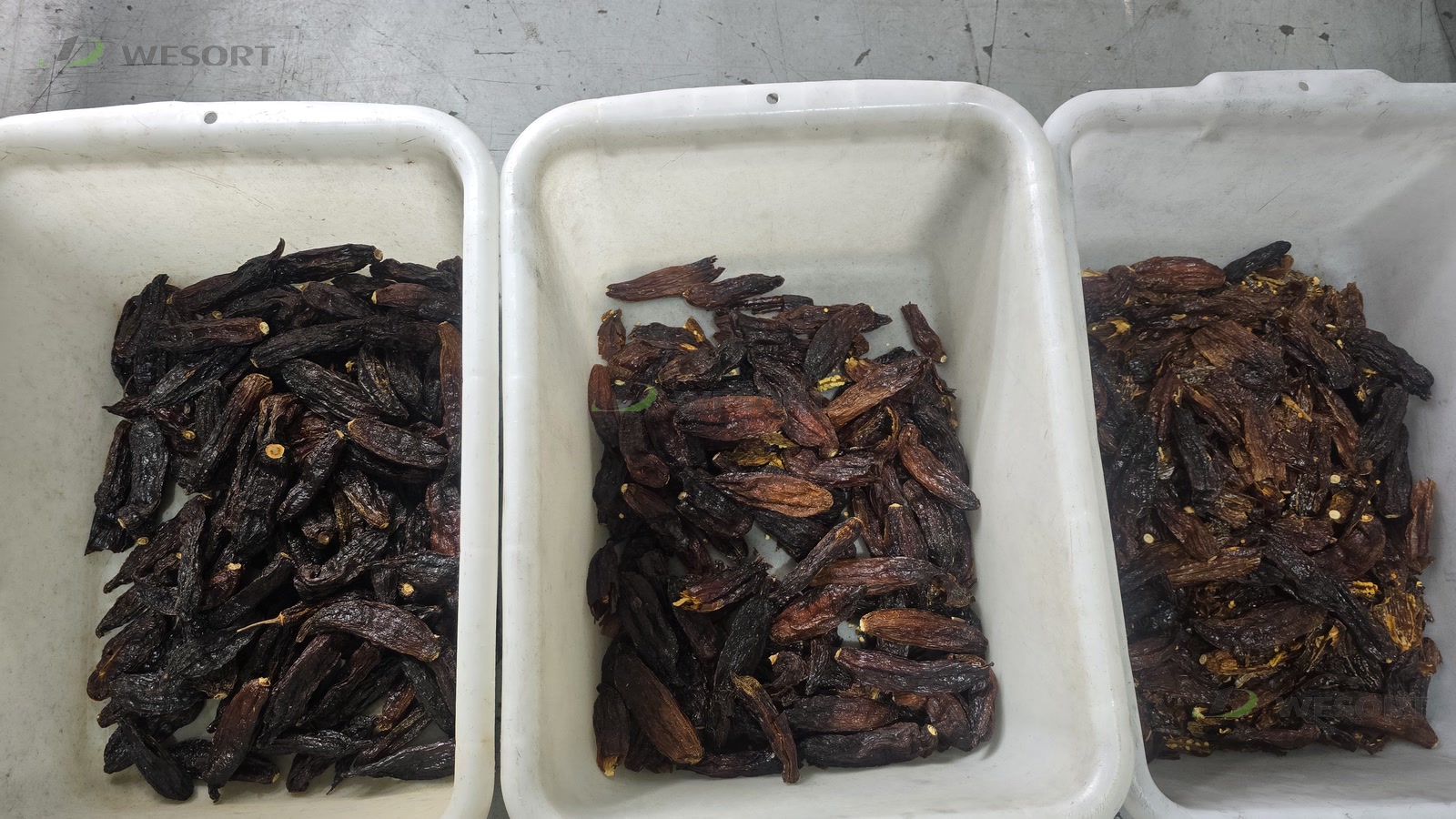
A mixed lot of dried chili rarely has just one problem. Dark pods sit beside red-brown pods, whole product is mixed with broken pieces, and stems or fibrous material remain in the flow. WESORT helps processors turn that mixed lot into clearly defin...
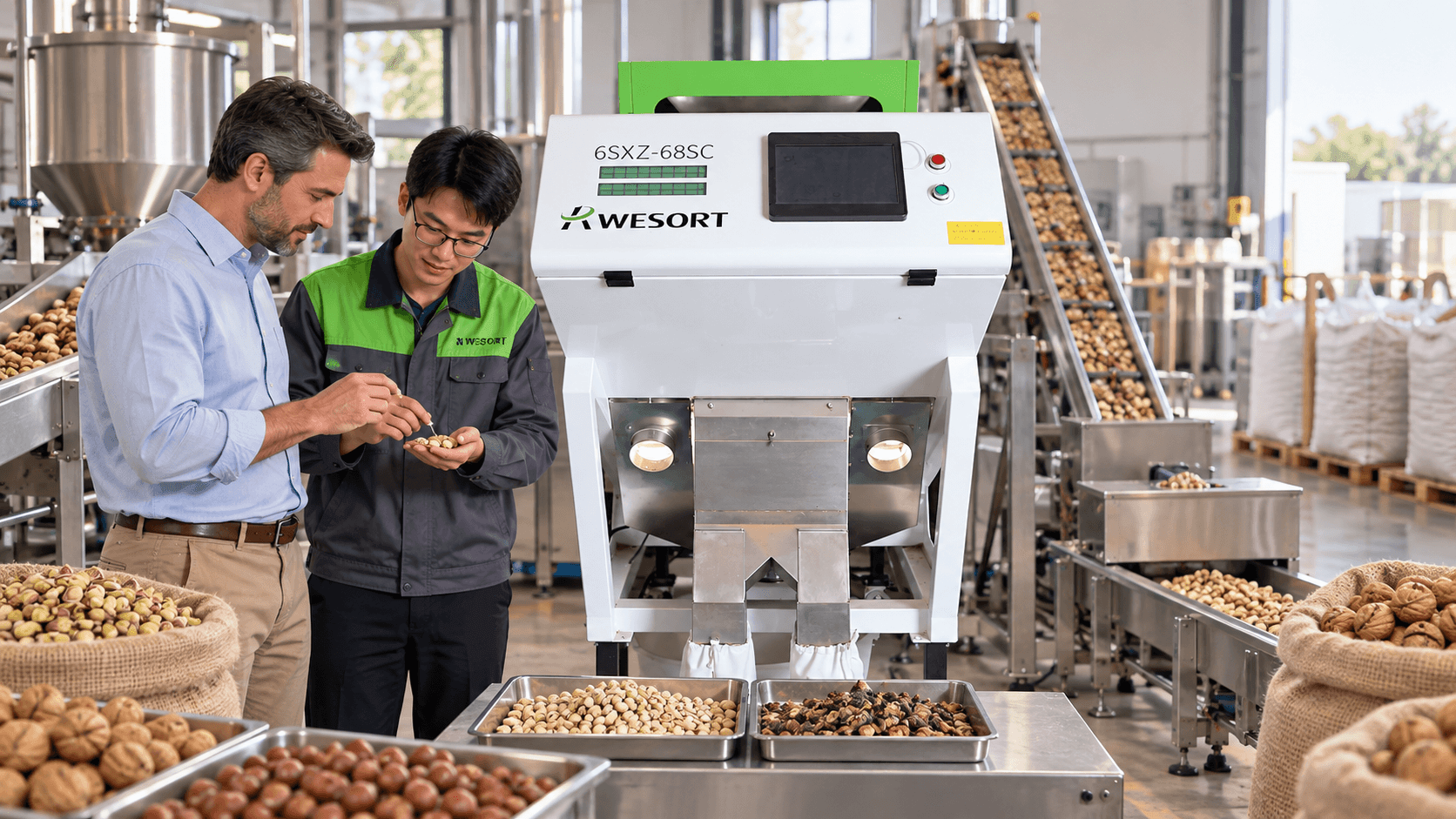
A reliable nut color sorter manufacturer should be able to prove three things before asking you to buy: that your actual material can be separated, that the proposed machine fits your production line, and that technical support will still be availa...
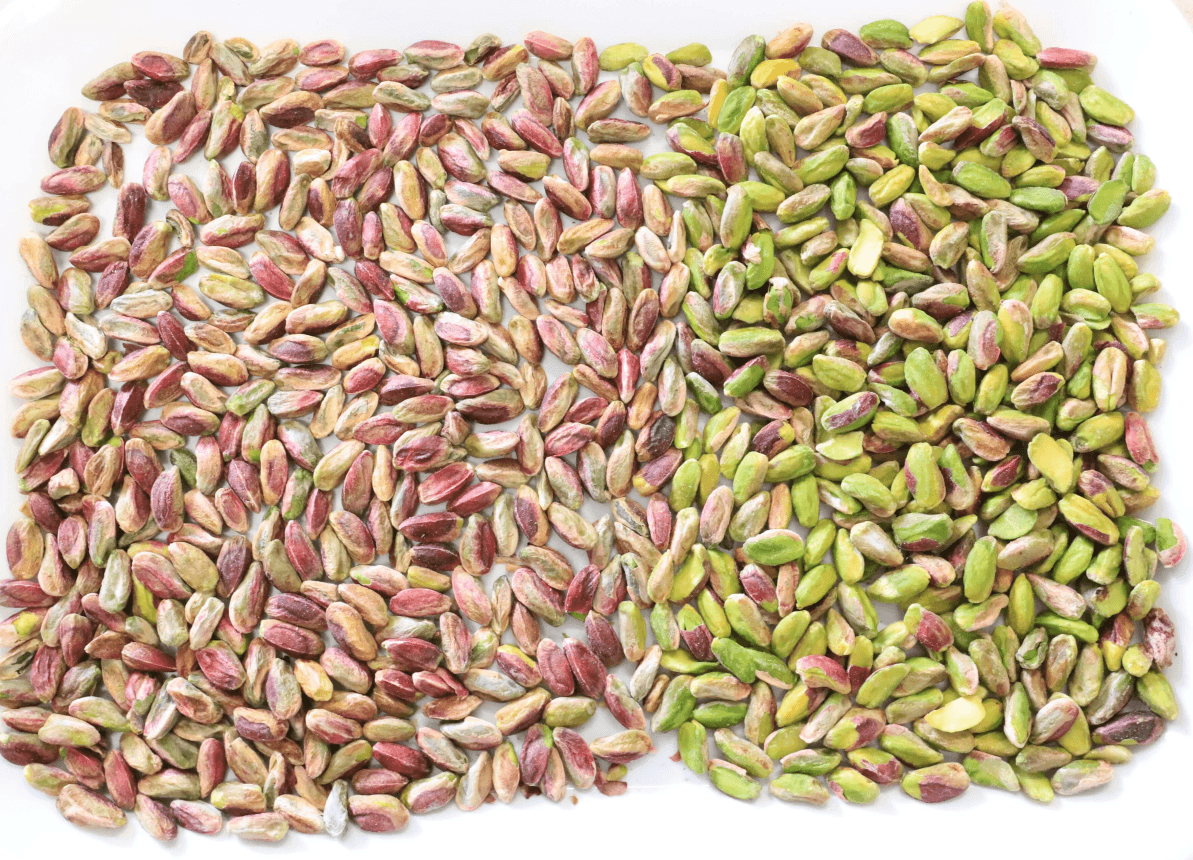
A pistachio sorter should be configured for the material entering it, not for the word “pistachio” alone. An in-shell line may need to separate open and closed shells. A kernel line may need color grades and removal of broken or dark pieces. A post...
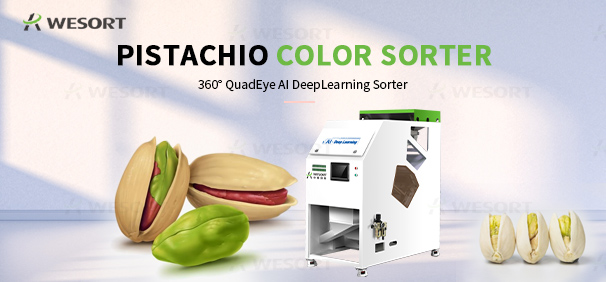
Choosing the right pistachio sorting machine in Turkey is not simply a matter of comparing machine width, number of chutes or advertised capacity. For pistachio processors, the more important question is: What exactly does the machine need to sep...

Choosing a coffee sorting machine in Colombia should not begin with the number of chutes or a headline capacity. It should begin with five facts about the coffee entering your line and the product you need to deliver. Without them, two machines th...
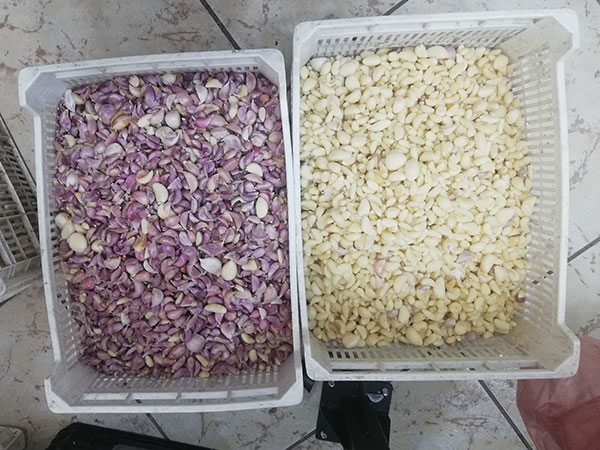
A garlic sorting machine can separate cloves that differ visibly from the accepted product in color, skin coverage, shape, size or surface condition. Typical targets include cloves with attached purple skin, incomplete peeling, yellow or brown disc...
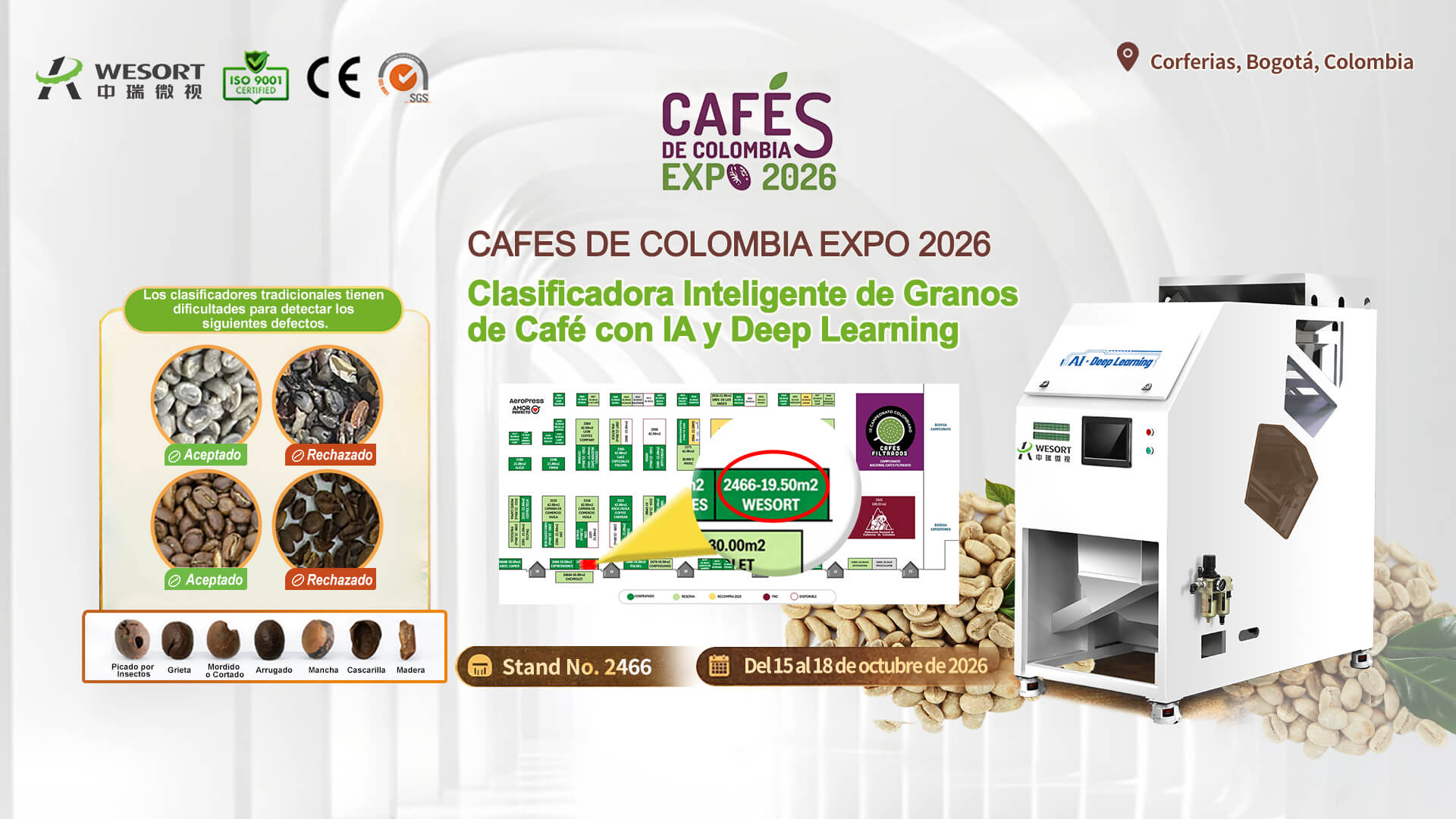
Don’t bring only a business card. Bring the coffee your team is struggling to sort. From October 15 to 18, WESORT will be at Cafés de Colombia Expo 2026 in Bogotá. At Booth 2466, visitors can see how optical sorting responds to real coffee material...
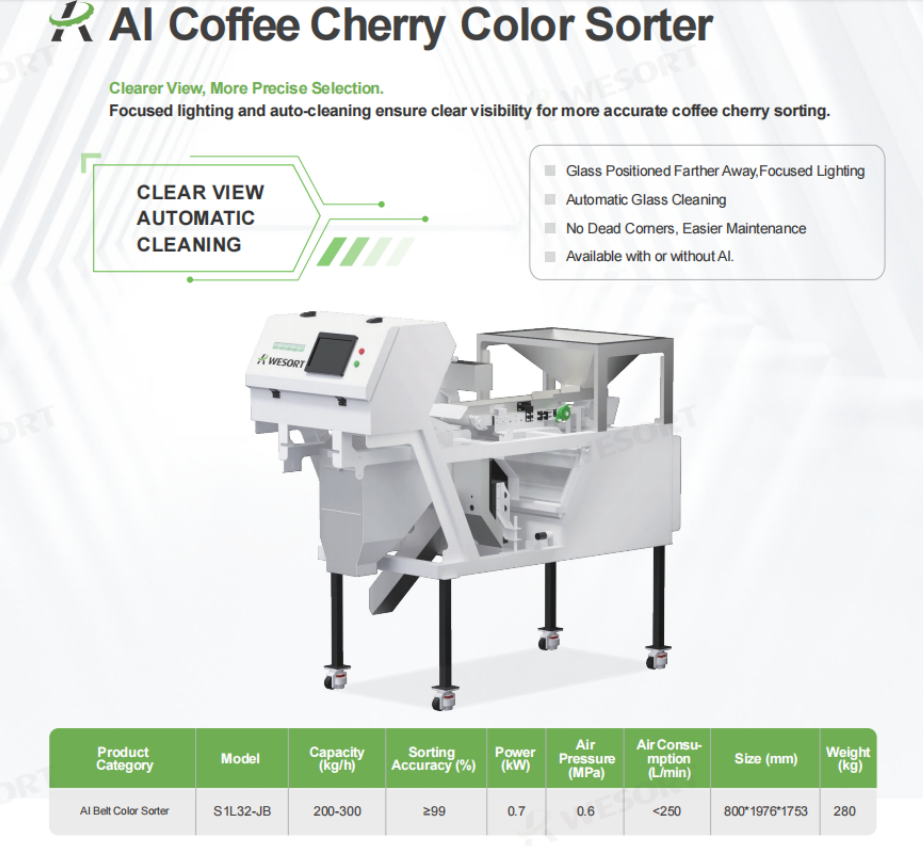
Industry Background and Problem Introduction Coffee processing combines natural variation in agricultural material with increasingly specific buyer and quality requirements. Fresh coffee cherries, parchment coffee, green beans and roasted beans are d...
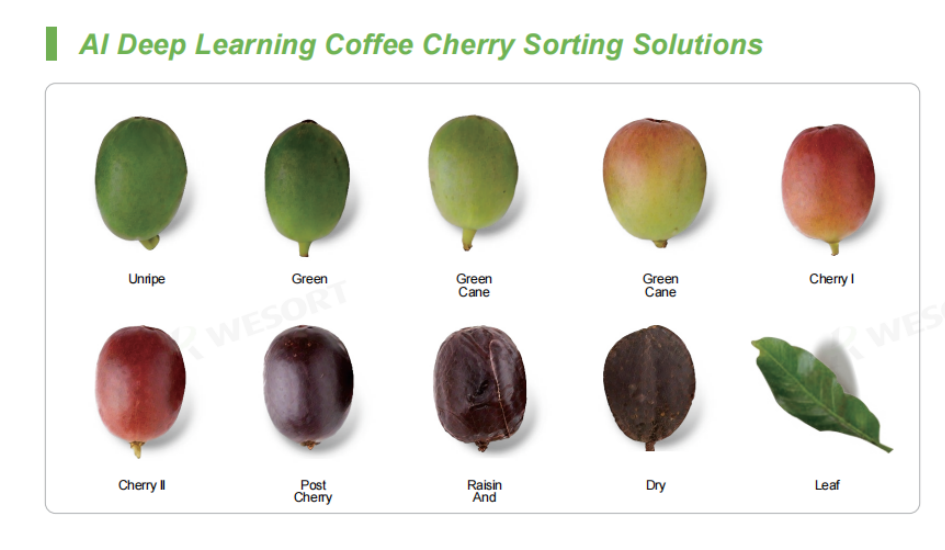
Sorting fresh coffee cherries before pulping or drying can help a processor separate visibly different fruit into more consistent lots. The right approach depends on the cherries, the acceptance standard and where the sorter will sit in the processin...

Every Pearl, Every Angle. 360° PANORAMIC AI PEARL SORTING The hardest part of pearl sorting is not seeing a pearl once. It is seeing enough of its surface to make a consistent decision. A dark spot may sit on the back. A fine crack may become visible...
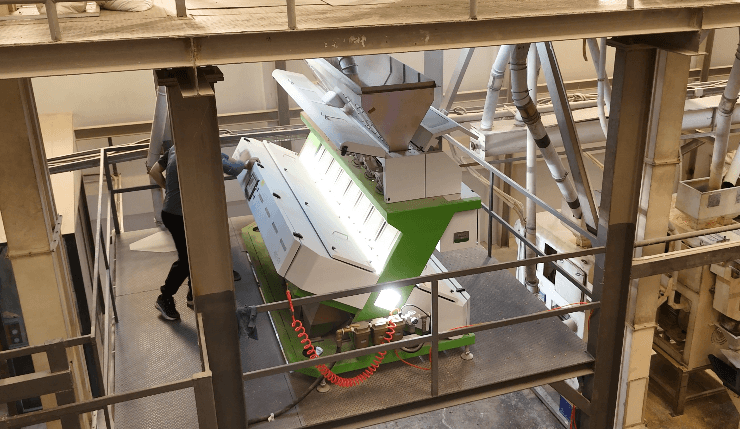
A practical way to choose a corn sorting machine is to compare your plant with corn processors that have already solved similar problems. WESORT has supplied corn sorting solutions for different production scales, from a dual-channel white-corn pro...
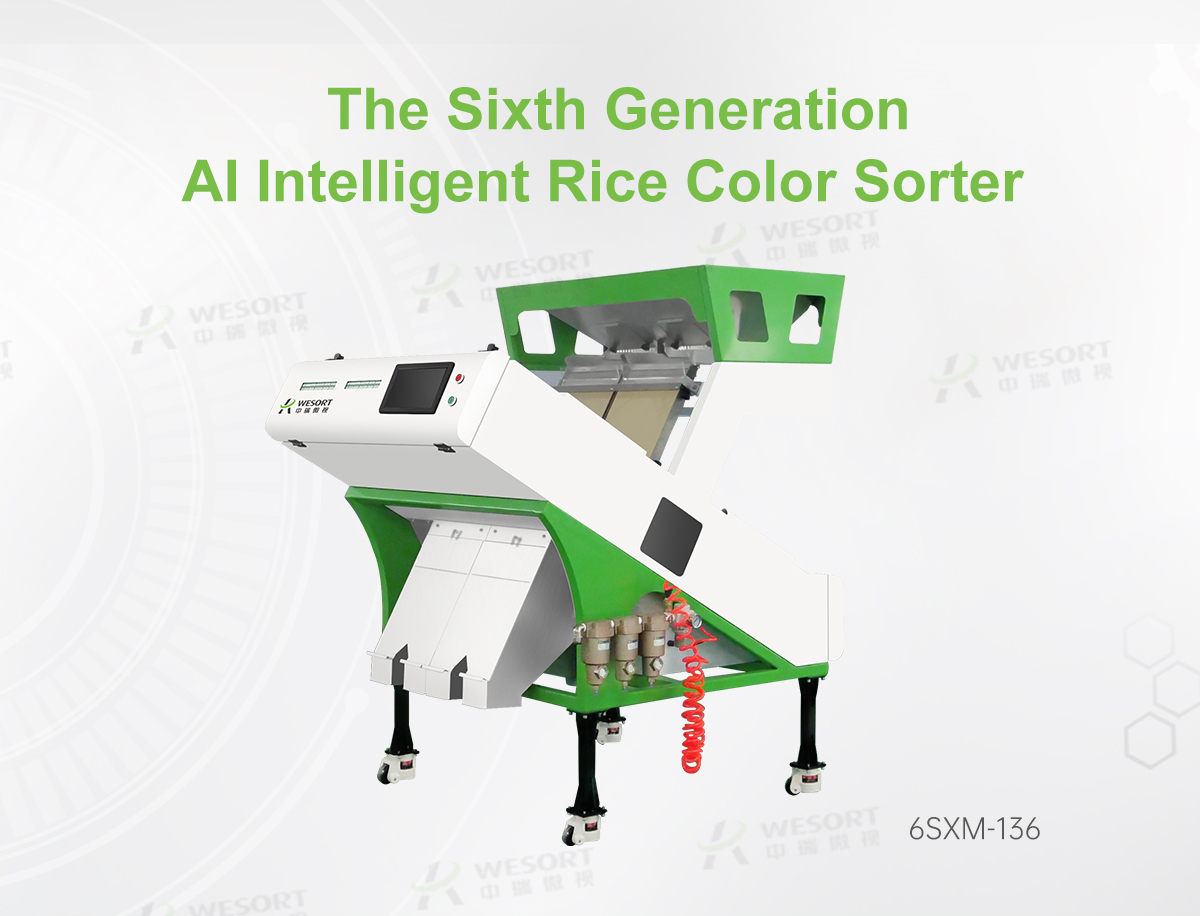
An optical rice sorter improves purity by turning visible differences into controlled separation decisions. Stable feeding presents the rice, illumination and cameras capture visible characteristics, software evaluates color and shape, and precisio...
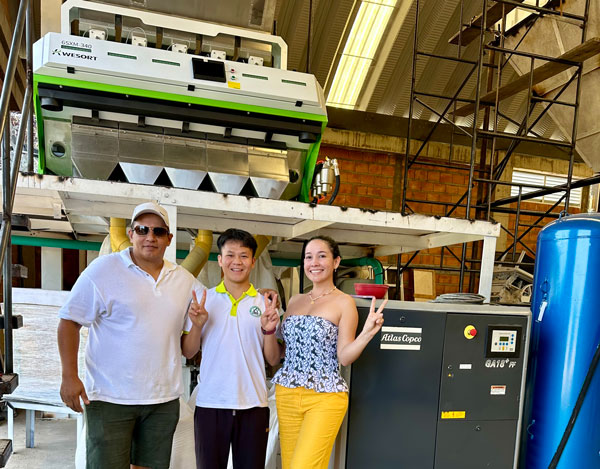
Choose a rice sorting machine by matching the rice variety, target defects, required throughput, finished-product standard, acceptable loss of good rice, and site utilities. Compare machines only after testing representative material and reviewing bo...
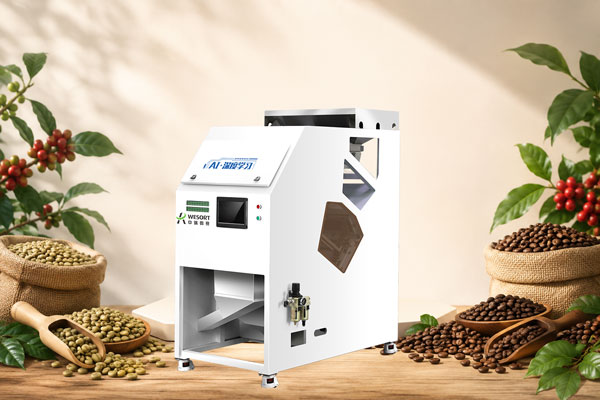
Coffee processors face a constant challenge when it comes to maintaining consistent quality across green and roasted coffee beans. Quakers, scorched beans, abnormal-color beans, broken beans, and foreign materials can affect the appearance and consis...
Mexico has a strong coffee-processing industry, with coffee producers and processors facing increasingly demanding requirements for quality, consistency, and production efficiency. From coffee cherries and green coffee beans to roasted coffee, effect...
Coffee quality control depends heavily on the equipment used to remove defective beans, foreign materials, and quality inconsistencies before roasting or export. For coffee processors, roasteries, and exporters, AI-powered optical color sorters h...
Coffee processors around the world are under growing pressure to deliver consistent quality while controlling costs and meeting strict export standards. Manual sorting—long the default method for removing quakers, scorched beans, and foreign matter...
Upgrade Your Sorting Solution with Exclusive Benefits In 2026. WESORT continues to move forward with innovation, quality, and commitment. We sincerely appreciate the trust and support from customers around the world. To give back to our global ...
The best bean-sorting result does not begin with a machine setting. It begins with a clear description of the beans you want to pack, the defects your buyer rejects and the amount of good product you are prepared to lose. Short answer: clean and s...
When nut processing enters its busiest weeks, inconsistent raw material, visible defects and foreign materials can quickly become production problems. For processors handling hazelnuts, pistachios, almonds, pecans, Brazil nuts, peanuts and other nut...
A mixed lot of dried chili rarely has just one problem. Dark pods sit beside red-brown pods, whole product is mixed with broken pieces, and stems or fibrous material remain in the flow. WESORT helps processors turn that mixed lot into clearly defin...
A reliable nut color sorter manufacturer should be able to prove three things before asking you to buy: that your actual material can be separated, that the proposed machine fits your production line, and that technical support will still be availa...