Shenzhen Wesort Optoelectronics Co., Ltd.
Address:Building 29, Longwangmiao Industrial Zone, Fuyong street, Bao'an District, Shenzhen, Guangdong Province, China.
Phone:+86 181 2370 6862

Corn quality plays a critical role in determining market value, processing efficiency, food safety, and seed performance. Whether used for food production, animal feed, seed breeding, or export markets, defective kernels, mold contamination, insect damage, and foreign materials can significantly reduce the quality and profitability of corn products.
As quality standards continue to rise worldwide, traditional manual sorting methods are no longer sufficient. Today's processors require intelligent, high-speed solutions capable of identifying defects with greater accuracy and consistency. This is why more corn processors are investing in advanced corn color sorters and AI color sorter technology.
In this article, we'll explore how to improve corn quality using color sorter technology and why the WESORT AI Deep Learning + QuadEye 360° Series Color Sorter is helping processors achieve higher purity, better yields, and faster ROI.
Corn harvested from the field often contains a variety of defects and contaminants that impact final product quality.
Common issues include: Moldy kernels, Black-tip corn, Insect-damaged kernels, Discolored grains, Broken corn, Immature kernels, Foreign materials such as stones, husks, plastics, and plant debris
These defects not only reduce the appearance of the product but can also affect storage stability, food safety, seed germination rates, and customer satisfaction.
For processors handling large volumes of corn, relying solely on manual inspection is slow, inconsistent, and costly. A modern corn sorting machine provides a more efficient and reliable solution.
A corn color sorter is an intelligent optical sorting system that automatically identifies and removes defective kernels from the production line.
The process begins when corn kernels are evenly distributed across chutes and pass through a high-speed inspection area. Industrial cameras capture images of every kernel in real time while advanced software analyzes visual characteristics.
Traditional systems primarily focus on color differences. However, research has shown that grain defects can also be identified through surface texture and appearance characteristics. This is particularly important for detecting mold damage, insect infestation, and subtle quality defects that may not be visible through color alone.
Once defective kernels are detected, high-speed ejectors instantly remove them using precisely controlled air jets.
As a result, the final product contains cleaner, more uniform, and higher-quality corn.
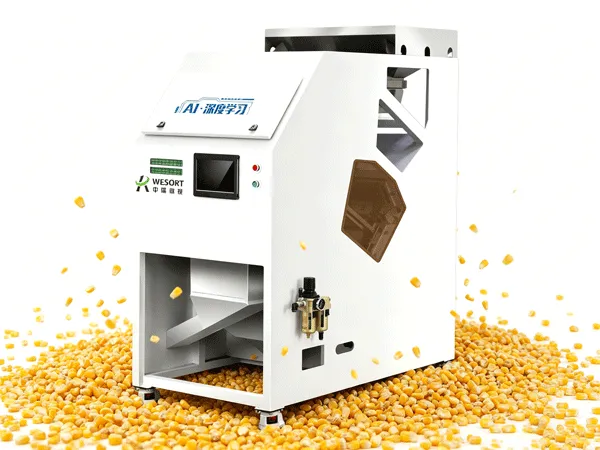
For processors seeking to understand how to improve corn quality using color sorter systems, the answer lies in the machine's ability to remove defects before they impact downstream processing.
Remove Moldy and Diseased Kernels
Mold contamination remains one of the biggest concerns in corn processing.
An advanced optical corn sorter can detect mold spots, black-tip kernels, and diseased grains that may otherwise enter the final product stream.
Removing contaminated kernels improves food safety and helps processors meet stricter quality requirements.
Eliminate Foreign Materials
Modern corn sorting equipment can identify and remove non-corn materials such as:
Stones
Corn cobs
Plastic fragments
Plant debris
Husk particles
This significantly increases product purity and reduces the risk of contamination.
Improve Product Uniformity
Consistency is a key quality indicator for food processors and exporters.
A professional grain color sorter ensures that only qualified kernels remain in the finished product, resulting in a more uniform appearance and higher commercial value.
Increase Seed Purity and Germination Performance
For seed producers, quality is about more than appearance.
A high-performance seed sorting machine helps remove damaged, immature, and low-vigor kernels, improving seed purity and germination rates while supporting more consistent crop performance in the field.
Many conventional corn color sorters rely on two-camera systems that inspect only limited viewing angles.
As corn kernels move through the machine, certain defects may remain hidden from the camera's field of view. This creates inspection blind spots and increases the possibility of defective kernels entering the final product.
In addition, traditional systems often depend primarily on color recognition, making it difficult to identify defects that share similar color characteristics with healthy kernels.
As quality requirements become more demanding, processors need more advanced inspection technology.
To overcome the limitations of traditional sorting systems, WESORT developed the AI Deep Learning + QuadEye 360° Series Color Sorter.
As the world's first AI deep learning four-view sorting platform developed by WESORT, the system combines advanced artificial intelligence with multi-angle inspection technology to deliver a new level of sorting accuracy.
QuadEye 360° Inspection Eliminates Blind Spots
Unlike conventional systems, the QuadEye 360° Series utilizes four high-precision industrial cameras to inspect every kernel from multiple angles.
This comprehensive inspection approach significantly reduces detection blind spots and enables the system to capture defects that traditional machines may miss.
For corn processing applications, this means more accurate identification of: Moldy kernels, Insect damage, Black-tip corn, Surface defects, Foreign materials, Broken grains
AI Deep Learning Goes Beyond Color Recognition
Traditional sorting systems make decisions primarily based on color differences.
The WESORT AI corn color sorter uses advanced deep learning algorithms capable of analyzing multiple characteristics simultaneously, including:Color, Shape, Texture, Surface patterns, Structural defects
The system continuously learns from large datasets, allowing it to identify complex defect patterns with greater precision.
16x Computing Power for Faster and Smarter Sorting
The QuadEye 360° Series is equipped with a next-generation AI computing platform featuring 16x computing power, enabling real-time image processing and high-speed decision-making.
This allows the machine to maintain exceptional sorting accuracy even at high production capacities.
Higher Quality, Higher Yield, Better ROI
Investing in advanced corn sorting equipment is not simply about removing defects—it is about increasing profitability.
The WESORT corn processing machine helps processors achieve:
Higher product grades
Improved food safety
Better export quality
Reduced labor costs
Lower waste rates
Increased customer satisfaction
Faster return on investment
By removing defective kernels before packaging and processing, businesses can maximize product value while reducing operational costs.
If you are looking for the most effective way to improve corn quality, investing in an advanced corn color sorter is one of the smartest decisions a processor can make.
While traditional systems focus primarily on color differences, the WESORT AI Deep Learning + QuadEye 360° Series Color Sorter combines multi-angle inspection, deep learning technology, and 16x computing power to deliver superior detection accuracy and eliminate traditional inspection blind spots.
From food-grade corn and feed corn to seed production and export processing, the WESORT AI corn color sorter provides a powerful solution for achieving higher purity, improved consistency, and greater profitability in modern corn processing.
Corn quality plays a critical role in determining market value, processing efficiency, food safety, and seed performance. Whether used for food production, animal feed, seed breeding, or export markets, defective kernels, mold contamination, insect damage, and foreign materials can significantly reduce the quality and profitability of corn products.
As quality standards continue to rise worldwide, traditional manual sorting methods are no longer sufficient. Today's processors require intelligent, high-speed solutions capable of identifying defects with greater accuracy and consistency. This is why more corn processors are investing in advanced corn color sorters and AI color sorter technology.
In this article, we'll explore how to improve corn quality using color sorter technology and why the WESORT AI Deep Learning + QuadEye 360° Series Color Sorter is helping processors achieve higher purity, better yields, and faster ROI.
Corn harvested from the field often contains a variety of defects and contaminants that impact final product quality.
Common issues include: Moldy kernels, Black-tip corn, Insect-damaged kernels, Discolored grains, Broken corn, Immature kernels, Foreign materials such as stones, husks, plastics, and plant debris
These defects not only reduce the appearance of the product but can also affect storage stability, food safety, seed germination rates, and customer satisfaction.
For processors handling large volumes of corn, relying solely on manual inspection is slow, inconsistent, and costly. A modern corn sorting machine provides a more efficient and reliable solution.
A corn color sorter is an intelligent optical sorting system that automatically identifies and removes defective kernels from the production line.
The process begins when corn kernels are evenly distributed across chutes and pass through a high-speed inspection area. Industrial cameras capture images of every kernel in real time while advanced software analyzes visual characteristics.
Traditional systems primarily focus on color differences. However, research has shown that grain defects can also be identified through surface texture and appearance characteristics. This is particularly important for detecting mold damage, insect infestation, and subtle quality defects that may not be visible through color alone.
Once defective kernels are detected, high-speed ejectors instantly remove them using precisely controlled air jets.
As a result, the final product contains cleaner, more uniform, and higher-quality corn.
For processors seeking to understand how to improve corn quality using color sorter systems, the answer lies in the machine's ability to remove defects before they impact downstream processing.
Remove Moldy and Diseased Kernels
Mold contamination remains one of the biggest concerns in corn processing.
An advanced optical corn sorter can detect mold spots, black-tip kernels, and diseased grains that may otherwise enter the final product stream.
Removing contaminated kernels improves food safety and helps processors meet stricter quality requirements.
Eliminate Foreign Materials
Modern corn sorting equipment can identify and remove non-corn materials such as:
Stones
Corn cobs
Plastic fragments
Plant debris
Husk particles
This significantly increases product purity and reduces the risk of contamination.
Improve Product Uniformity
Consistency is a key quality indicator for food processors and exporters.
A professional grain color sorter ensures that only qualified kernels remain in the finished product, resulting in a more uniform appearance and higher commercial value.
Increase Seed Purity and Germination Performance
For seed producers, quality is about more than appearance.
A high-performance seed sorting machine helps remove damaged, immature, and low-vigor kernels, improving seed purity and germination rates while supporting more consistent crop performance in the field.
Many conventional corn color sorters rely on two-camera systems that inspect only limited viewing angles.
As corn kernels move through the machine, certain defects may remain hidden from the camera's field of view. This creates inspection blind spots and increases the possibility of defective kernels entering the final product.
In addition, traditional systems often depend primarily on color recognition, making it difficult to identify defects that share similar color characteristics with healthy kernels.
As quality requirements become more demanding, processors need more advanced inspection technology.
To overcome the limitations of traditional sorting systems, WESORT developed the AI Deep Learning + QuadEye 360° Series Color Sorter.
As the world's first AI deep learning four-view sorting platform developed by WESORT, the system combines advanced artificial intelligence with multi-angle inspection technology to deliver a new level of sorting accuracy.
QuadEye 360° Inspection Eliminates Blind Spots
Unlike conventional systems, the QuadEye 360° Series utilizes four high-precision industrial cameras to inspect every kernel from multiple angles.
This comprehensive inspection approach significantly reduces detection blind spots and enables the system to capture defects that traditional machines may miss.
For corn processing applications, this means more accurate identification of: Moldy kernels, Insect damage, Black-tip corn, Surface defects, Foreign materials, Broken grains
AI Deep Learning Goes Beyond Color Recognition
Traditional sorting systems make decisions primarily based on color differences.
The WESORT AI corn color sorter uses advanced deep learning algorithms capable of analyzing multiple characteristics simultaneously, including:Color, Shape, Texture, Surface patterns, Structural defects
The system continuously learns from large datasets, allowing it to identify complex defect patterns with greater precision.
16x Computing Power for Faster and Smarter Sorting
The QuadEye 360° Series is equipped with a next-generation AI computing platform featuring 16x computing power, enabling real-time image processing and high-speed decision-making.
This allows the machine to maintain exceptional sorting accuracy even at high production capacities.
Higher Quality, Higher Yield, Better ROI
Investing in advanced corn sorting equipment is not simply about removing defects—it is about increasing profitability.
The WESORT corn processing machine helps processors achieve:
Higher product grades
Improved food safety
Better export quality
Reduced labor costs
Lower waste rates
Increased customer satisfaction
Faster return on investment
By removing defective kernels before packaging and processing, businesses can maximize product value while reducing operational costs.
If you are looking for the most effective way to improve corn quality, investing in an advanced corn color sorter is one of the smartest decisions a processor can make.
While traditional systems focus primarily on color differences, the WESORT AI Deep Learning + QuadEye 360° Series Color Sorter combines multi-angle inspection, deep learning technology, and 16x computing power to deliver superior detection accuracy and eliminate traditional inspection blind spots.
From food-grade corn and feed corn to seed production and export processing, the WESORT AI corn color sorter provides a powerful solution for achieving higher purity, improved consistency, and greater profitability in modern corn processing.

Upgrade Your Sorting Solution with Exclusive Benefits In 2026. WESORT continues to move forward with innovation, quality, and commitment. We sincerely appreciate the trust and support from customers around the world. To give back to our global ...

Are visible defects, foreign materials, or inconsistent sorting increasing manual inspection in your coffee process? Meet WESORT at EXPO CAFÉ 2026 and discuss your actual coffee samples with our team. September 3–5, 2026 · WTC Mexico City · Booth 1...
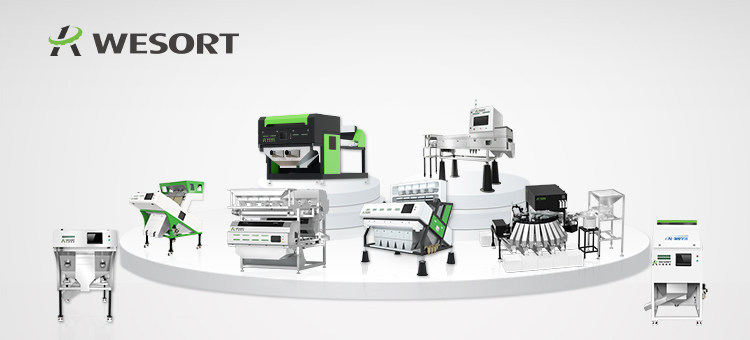
Understanding the Real Cost of Manual Sorting in Agricultural and Industrial Processing Buyers researching an affordable AI color sorter are usually trying to solve a very specific set of operational problems: rising labor costs, inconsistent seasona...
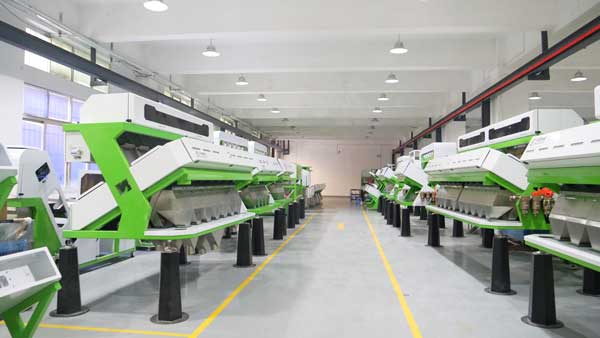
The Case for Sourcing Optical Sorters Directly from the Manufacturer For processing enterprises evaluating an optical sorter direct manufacturer , the sourcing decision is rarely just about equipment specifications. It is about who designs the v...
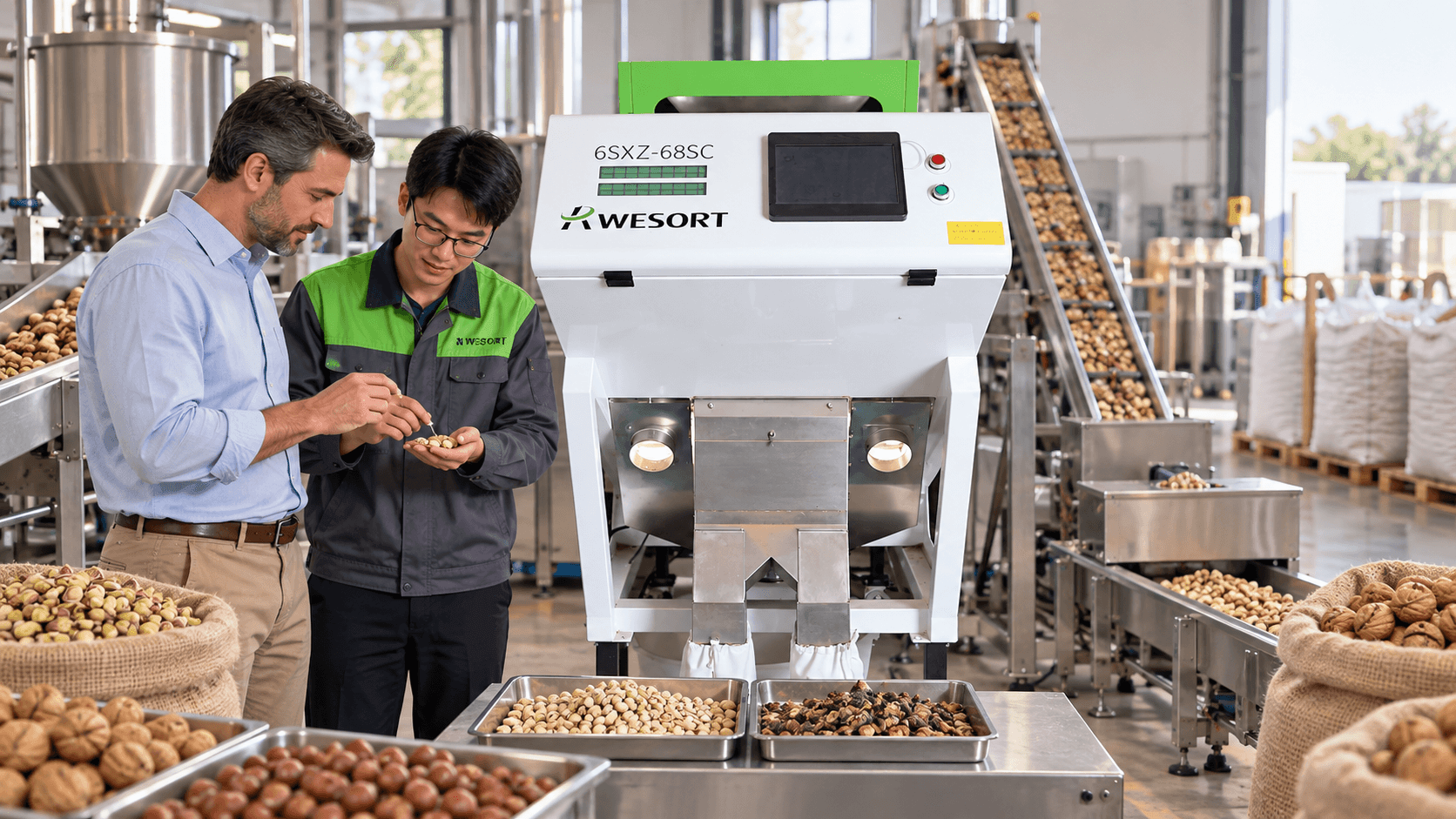
A reliable nut color sorter manufacturer should be able to prove three things before asking you to buy: that your actual material can be separated, that the proposed machine fits your production line, and that technical support will still be availa...
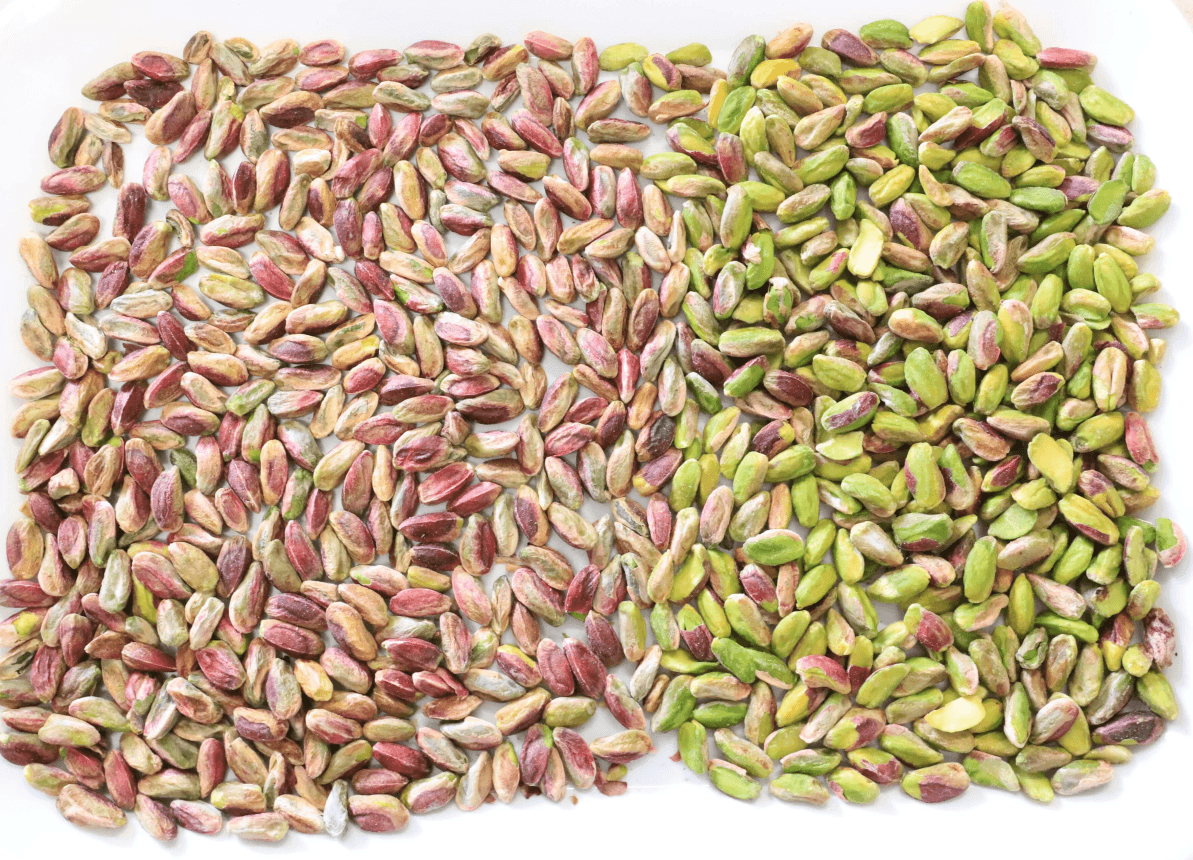
A pistachio sorter should be configured for the material entering it, not for the word “pistachio” alone. An in-shell line may need to separate open and closed shells. A kernel line may need color grades and removal of broken or dark pieces. A post...
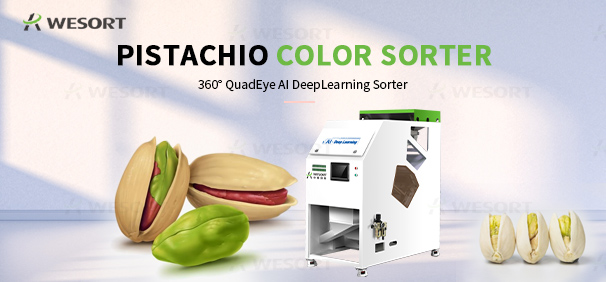
Choosing the right pistachio sorting machine in Turkey is not simply a matter of comparing machine width, number of chutes or advertised capacity. For pistachio processors, the more important question is: What exactly does the machine need to sep...
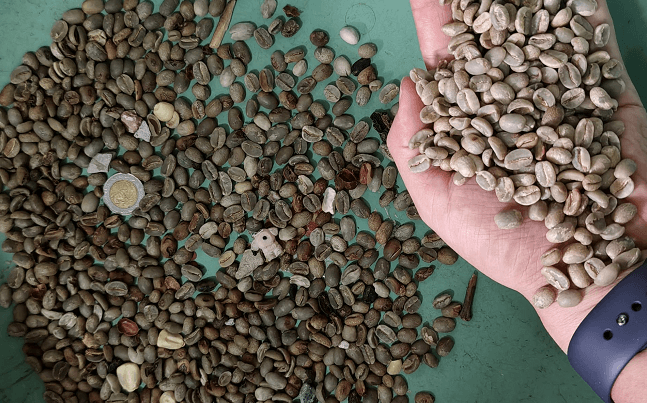
Choosing a coffee sorting machine in Colombia should not begin with the number of chutes or a headline capacity. It should begin with five facts about the coffee entering your line and the product you need to deliver. Without them, two machines th...
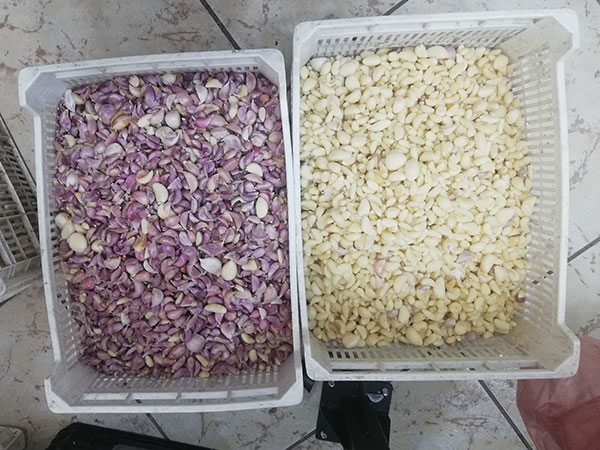
A garlic sorting machine can separate cloves that differ visibly from the accepted product in color, skin coverage, shape, size or surface condition. Typical targets include cloves with attached purple skin, incomplete peeling, yellow or brown disc...

Don’t bring only a business card. Bring the coffee your team is struggling to sort. From October 15 to 18, WESORT will be at Cafés de Colombia Expo 2026 in Bogotá. At Booth 2466, visitors can see how optical sorting responds to real coffee material...
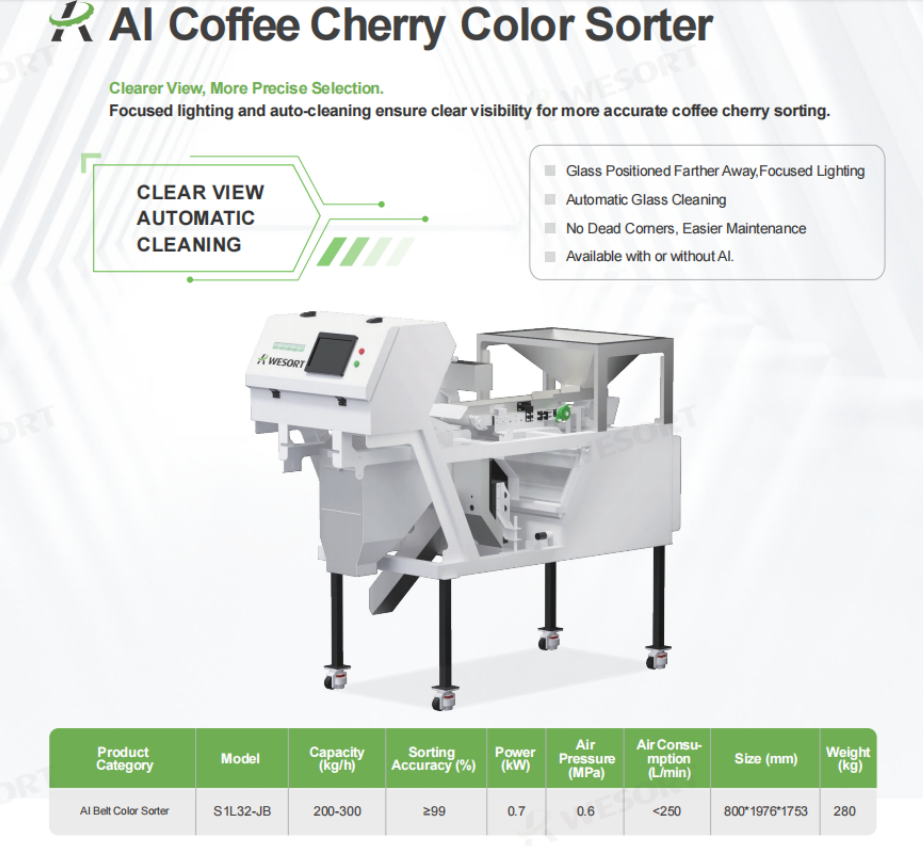
Industry Background and Problem Introduction Coffee processing combines natural variation in agricultural material with increasingly specific buyer and quality requirements. Fresh coffee cherries, parchment coffee, green beans and roasted beans are d...
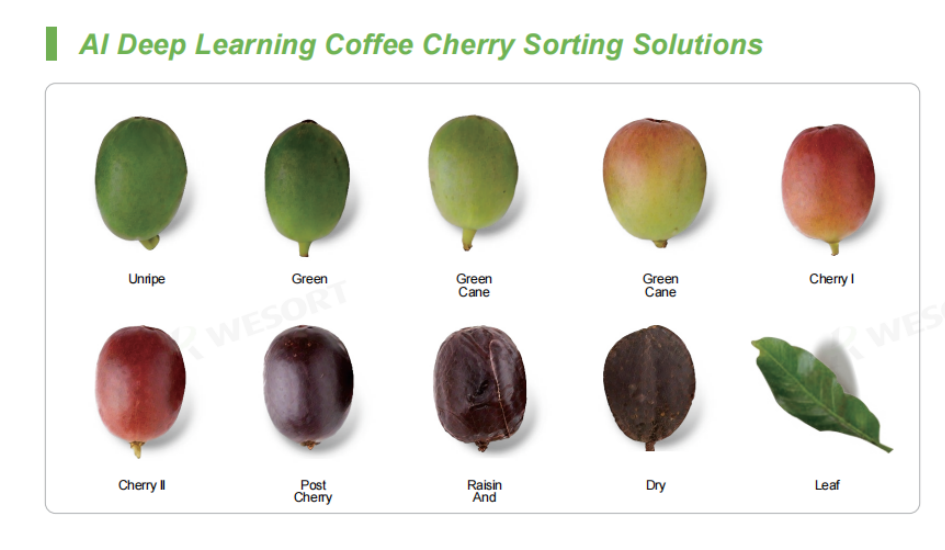
Sorting fresh coffee cherries before pulping or drying can help a processor separate visibly different fruit into more consistent lots. The right approach depends on the cherries, the acceptance standard and where the sorter will sit in the processin...

Every Pearl, Every Angle. 360° PANORAMIC AI PEARL SORTING The hardest part of pearl sorting is not seeing a pearl once. It is seeing enough of its surface to make a consistent decision. A dark spot may sit on the back. A fine crack may become visible...
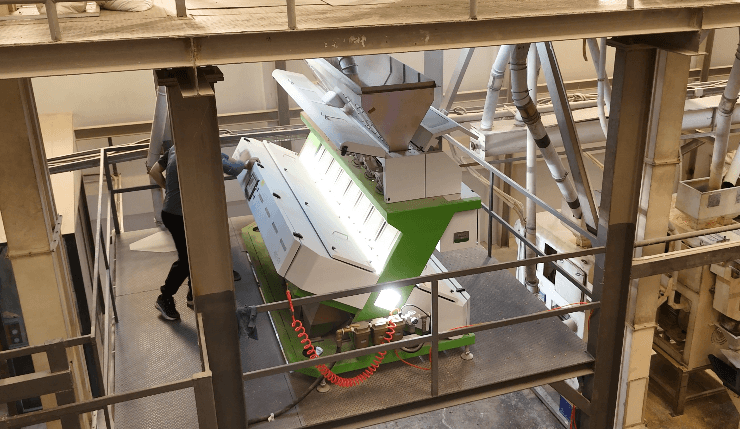
A practical way to choose a corn sorting machine is to compare your plant with corn processors that have already solved similar problems. WESORT has supplied corn sorting solutions for different production scales, from a dual-channel white-corn pro...
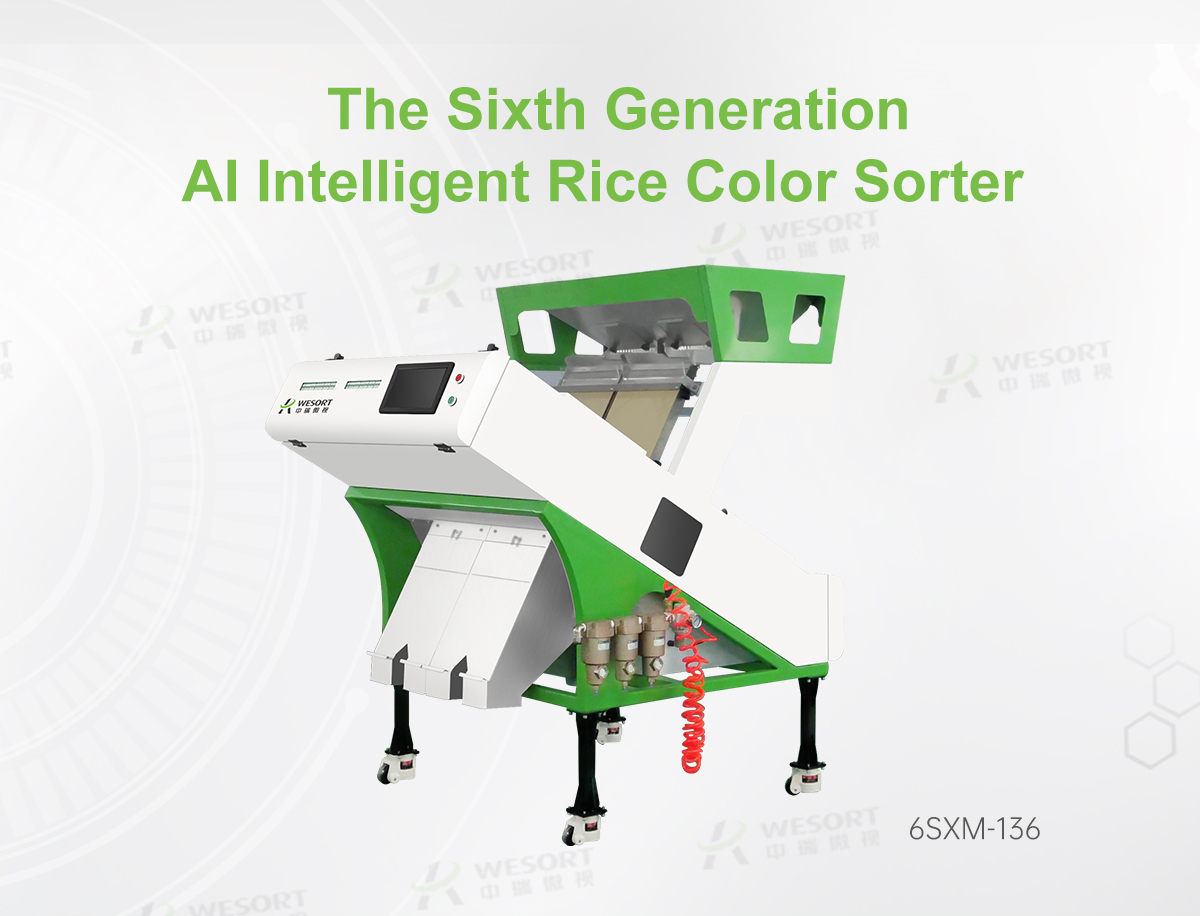
An optical rice sorter improves purity by turning visible differences into controlled separation decisions. Stable feeding presents the rice, illumination and cameras capture visible characteristics, software evaluates color and shape, and precisio...
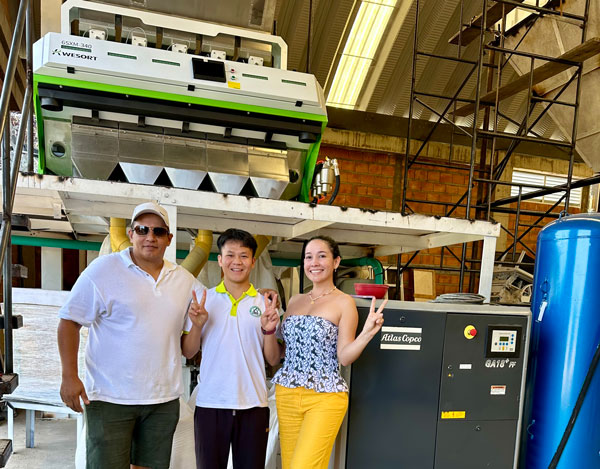
Choose a rice sorting machine by matching the rice variety, target defects, required throughput, finished-product standard, acceptable loss of good rice, and site utilities. Compare machines only after testing representative material and reviewing bo...
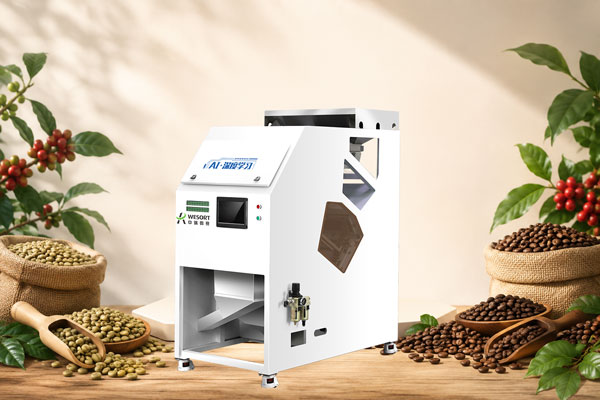
Coffee processors face a constant challenge when it comes to maintaining consistent quality across green and roasted coffee beans. Quakers, scorched beans, abnormal-color beans, broken beans, and foreign materials can affect the appearance and consis...

Mexico has a strong coffee-processing industry, with coffee producers and processors facing increasingly demanding requirements for quality, consistency, and production efficiency. From coffee cherries and green coffee beans to roasted coffee, effect...
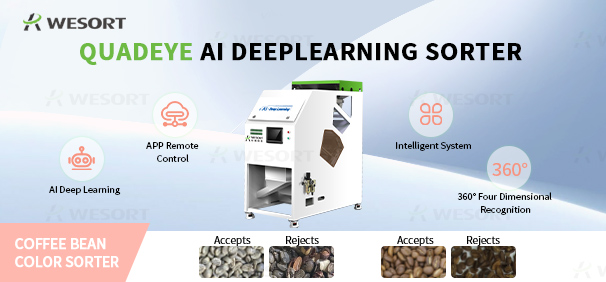
Coffee quality control depends heavily on the equipment used to remove defective beans, foreign materials, and quality inconsistencies before roasting or export. For coffee processors, roasteries, and exporters, AI-powered optical color sorters h...
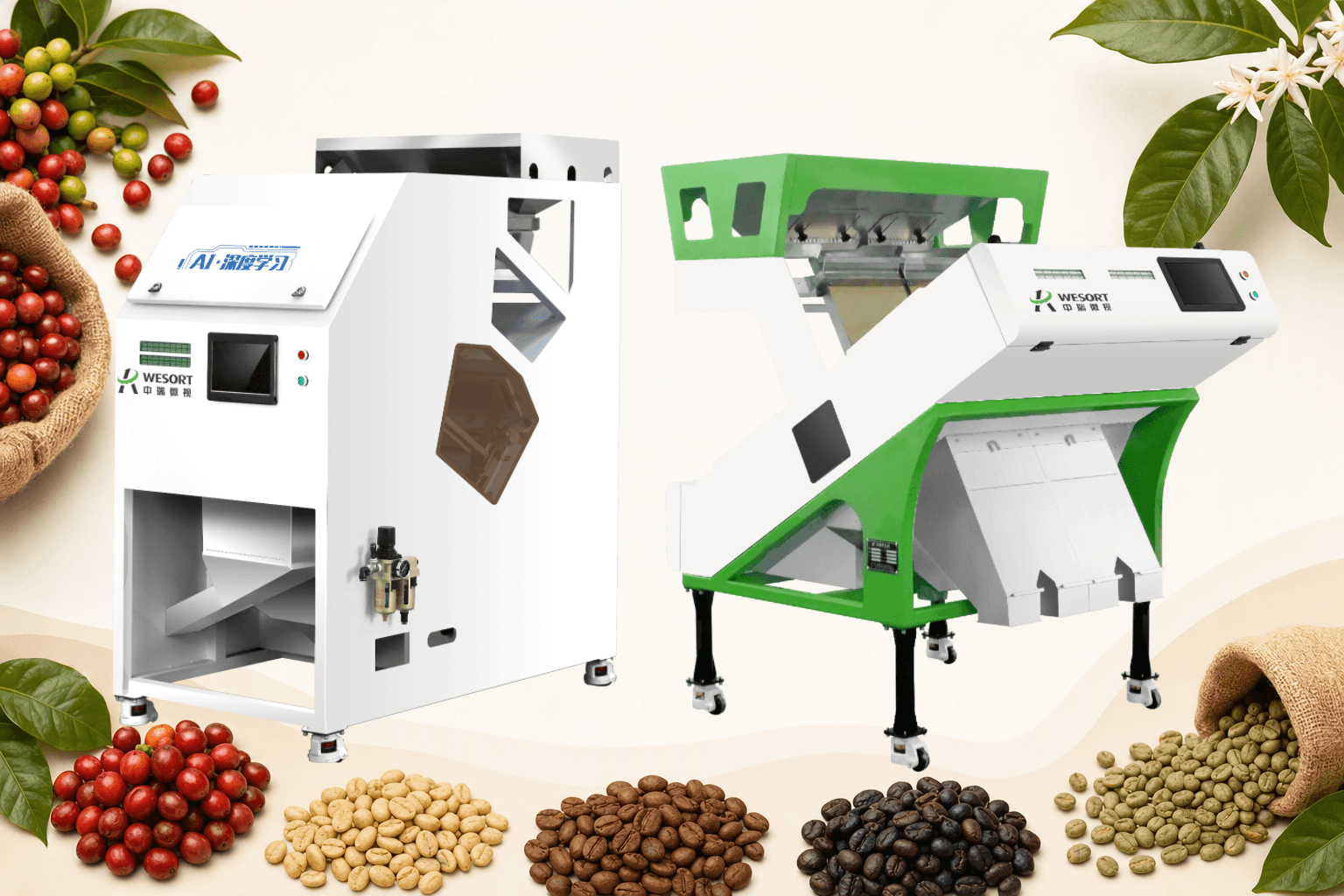
Coffee processors around the world are under growing pressure to deliver consistent quality while controlling costs and meeting strict export standards. Manual sorting—long the default method for removing quakers, scorched beans, and foreign matter...
Upgrade Your Sorting Solution with Exclusive Benefits In 2026. WESORT continues to move forward with innovation, quality, and commitment. We sincerely appreciate the trust and support from customers around the world. To give back to our global ...
Are visible defects, foreign materials, or inconsistent sorting increasing manual inspection in your coffee process? Meet WESORT at EXPO CAFÉ 2026 and discuss your actual coffee samples with our team. September 3–5, 2026 · WTC Mexico City · Booth 1...
Understanding the Real Cost of Manual Sorting in Agricultural and Industrial Processing Buyers researching an affordable AI color sorter are usually trying to solve a very specific set of operational problems: rising labor costs, inconsistent seasona...
The Case for Sourcing Optical Sorters Directly from the Manufacturer For processing enterprises evaluating an optical sorter direct manufacturer , the sourcing decision is rarely just about equipment specifications. It is about who designs the v...
A reliable nut color sorter manufacturer should be able to prove three things before asking you to buy: that your actual material can be separated, that the proposed machine fits your production line, and that technical support will still be availa...
A pistachio sorter should be configured for the material entering it, not for the word “pistachio” alone. An in-shell line may need to separate open and closed shells. A kernel line may need color grades and removal of broken or dark pieces. A post...
Choosing the right pistachio sorting machine in Turkey is not simply a matter of comparing machine width, number of chutes or advertised capacity. For pistachio processors, the more important question is: What exactly does the machine need to sep...
Choosing a coffee sorting machine in Colombia should not begin with the number of chutes or a headline capacity. It should begin with five facts about the coffee entering your line and the product you need to deliver. Without them, two machines th...