Shenzhen Wesort Optoelectronics Co., Ltd.
Address:Building 29, Longwangmiao Industrial Zone, Fuyong street, Bao'an District, Shenzhen, Guangdong Province, China.
Phone:+86 181 2370 6862

As the pistachio industry develops across Latin America, food processors, nut exporters, importers and packaging companies are paying more attention to product quality and processing efficiency.
Argentina is expanding its pistachio cultivation and processing capacity, while Chile relies more heavily on imported pistachios for distribution and food processing. Although their market structures are different, both countries face a similar challenge: how to classify pistachios more accurately, remove visible defects and maintain consistent product quality.
For a processing plant, choosing the right pistachio optical sorter is not simply about finding a machine with a higher processing capacity. The decision depends on the raw material, the defects that need to be removed, the required sorting standards and the structure of the existing production line.
What is the best optical sorter for pistachios in Latin America?
The answer depends on whether the plant processes in-shell pistachios, peeled pistachio kernels or a mixture of kernels and shells. Different applications require different inspection methods. A conventional color sorter may be suitable for obvious color differences, while an AI multi-angle vision system can provide more comprehensive surface inspection for in-shell pistachios.
WESORT offers pistachio sorting solutions including the sixth-generation QuadEye AI DeepLearning Sorter and stainless steel belt sorting equipment. This guide explains the main sorting challenges, available technologies and equipment selection considerations for pistachio processors in Chile, Argentina and other Latin American markets.
Understanding the local market helps equipment buyers identify where sorting technology can create value.
Argentina has become an increasingly important emerging pistachio-growing market in South America.
According to Argentina's government publication Alimentos Argentinos, the country had approximately 7,800 hectares of productive pistachio area and produced around 1,550 metric tons in 2025. A later report published by LA NACION on September 2, 2026, estimated that the country's total planted area was approaching 10,000 hectares, although many orchards were still young and had not reached their full production potential.
The main growing areas include San Juan and Mendoza, with additional development in La Rioja, San Luis and La Pampa.
The expansion of cultivation creates opportunities not only for agricultural producers but also for post-harvest processing facilities, shelling plants, exporters and companies investing in automated nut processing.
As production volumes increase, processors need to consider how to manage different quality grades, separate closed pistachios, remove visible defects and improve consistency before packaging or export.
For Argentine processors, especially those operating in San Juan and Mendoza, the key equipment considerations include processing capacity, inspection accuracy, sorting standards and the ability to integrate optical sorting into an existing production line.
Chile has a different market structure.
Local pistachio cultivation is still relatively limited. According to a report published by Reporte Agrícola in October 2026, available regional records from CIREN and ODEPA accounted for 157.18 hectares of pistachio plantations. These records were collected in different years and should not be interpreted as a single-year national agricultural census.
At the same time, Chile imports pistachios for commercial distribution and food processing.
World Bank WITS data based on UN Comtrade records show that Chile imported approximately 272.3 metric tons of fresh or dried pistachios in 2025, valued at about USD 2.77 million. The United States was the largest reported supplier.
For the Chilean market, potential equipment buyers may include:
Pistachio importers and distributors.
Nut processing and roasting companies.
Food ingredient suppliers.
Snack and confectionery manufacturers.
Companies involved in pistachio packaging and grading.
These businesses may receive pistachios in different conditions and need additional inspection before distribution, repackaging or further processing.
A suitable optical sorting solution can help them manage visible quality differences, remove unwanted material and prepare more consistent products for their customers.
Argentina represents an expanding production and processing opportunity. Chile offers opportunities connected to imported raw materials, distribution and food manufacturing.
For WESORT, these two markets call for different customer-development approaches, but both can benefit from reliable optical sorting technology.
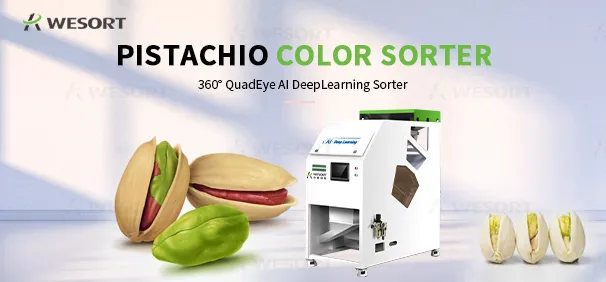
Before choosing an optical sorter, processors need to identify the actual problems in their raw materials.
The defects found in in-shell pistachios are different from those found in peeled kernels. A machine designed for one application should not automatically be assumed suitable for another.
In-shell pistachios are commonly inspected for opening conditions, shell appearance and unwanted materials.
Typical sorting targets include:
Closed or insufficiently opened pistachios.
Shells with dark spots or abnormal discoloration.
Pistachios with visible surface stains.
Residual hull material attached to the shell.
Damaged shells and broken pieces.
Foreign materials such as branches and unwanted plant debris.
For processors supplying retail markets or export customers, shell appearance can influence product grading and commercial acceptance.
A sorting system that only observes one side of a pistachio may miss defects located on the underside or side surfaces. This is particularly important when the orientation of each pistachio changes during transportation through the machine.
After shelling, the sorting requirements change.
Processors working with peeled pistachios may need to identify:
Black or unusually dark kernels.
Broken or incomplete kernels.
Kernels with visible stains.
Abnormally discolored products.
Shell fragments mixed with the kernels.
Other visible foreign materials.
Different buyers may also have different color and appearance requirements. Some processors need to remove dark kernels, while others may want to classify different color grades separately.
Therefore, the sorting standard should be based on the final product specification rather than treating every color difference as a defect.
Shell separation is another important challenge in pistachio processing.
After mechanical shelling, some shell fragments may remain mixed with the kernels. Small fragments can be difficult to distinguish when their color and appearance resemble those of the kernels.
For this application, processors should evaluate the size, shape and color differences between the kernels and shell fragments. The feasibility of optical separation depends on the actual material and the required separation standard.
Optical sorting can identify visible surface and appearance differences that the inspection system has been configured to recognize.
However, visible discoloration is not proof of aflatoxin contamination, and an optical sorter should not be presented as a substitute for laboratory testing of aflatoxins or other chemical contaminants.
For export-oriented pistachio processors, optical sorting should be part of a broader quality-control process that includes appropriate food safety testing.
Different defects require different inspection capabilities. The most suitable equipment should be selected according to the material and sorting objective.
A conventional optical color sorter captures images of products moving through an inspection area and analyzes visible differences in color.
When the main sorting target is an obvious color difference, this technology may be suitable for applications such as:
Removing visibly dark pistachio kernels.
Separating kernels with abnormal discoloration.
Classifying products according to different visible color grades.
Removing clearly different-colored unwanted particles.
This approach can be considered for well-prepared materials with consistent particle sizes and stable feeding conditions.
However, when defects appear on different surfaces or when two materials have very similar colors, a single viewing angle may not provide enough information.
For in-shell pistachios, the position and orientation of each nut can affect inspection results.
A stain or defect may be visible from one side but hidden from another. A conventional front-and-rear inspection system may therefore have limitations when the sorting requirement involves the entire outer surface.
The WESORT QuadEye AI DeepLearning Sorter, Sixth Generation, uses four high-resolution cameras positioned in different directions:
Top camera.
Bottom camera.
Left-side camera.
Right-side camera.
As pistachios move through the inspection area, the system captures images from multiple directions. AI vision algorithms analyze features such as color, shape and texture to identify sorting targets.
According to WESORT's technical documentation, the system can be configured for applications involving open and closed pistachios, surface fuzz, stains, shell fragments and black kernels.
The main advantage of this configuration is the additional visual information obtained from different sides of each product. It can help reduce inspection blind spots when the defects of interest are not always located on the same surface.
A belt-based sorter is another option that can be evaluated for specific pistachio processing applications.
The transportation method, product presentation and inspection requirements all influence whether a belt-based configuration is appropriate.
WESORT's earlier stainless steel belt sorter brochure illustrates pistachio sorting applications involving different raw material presentations, including Sicilian, Californian, Iranian and Turkish pistachios. It also illustrates sorting outputs involving kernels, shells, hull-related material and unwanted plant debris.
The belt-based series and the sixth-generation QuadEye AI series are separate product lines. Their models and rated capacities should not be mixed when selecting equipment.
WESORT provides different equipment configurations for pistachio sorting, depending on the material, production capacity and sorting objective.
For processors requiring more comprehensive surface inspection of in-shell pistachios, WESORT offers the QuadEye AI DeepLearning Sorter with four-camera image acquisition.
The system combines multi-angle vision with AI recognition to analyze visible product characteristics and execute sorting according to the customer's requirements.
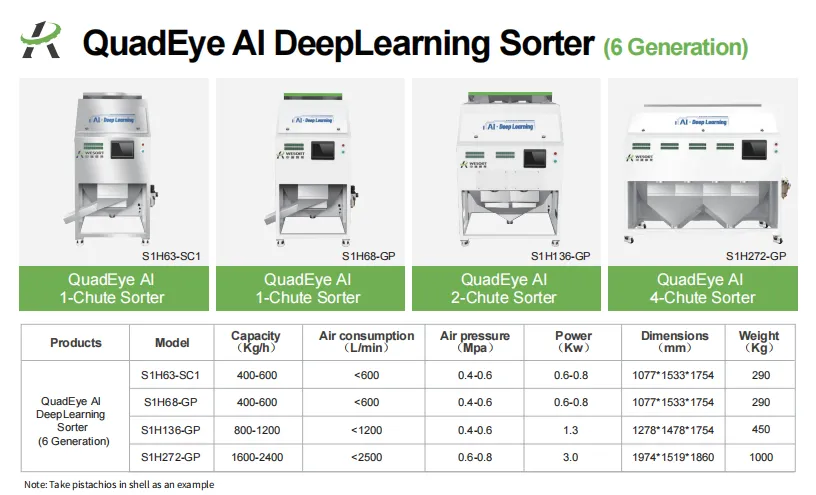
The documented models and reference capacities are:
| Model | Chutes | Catalog Capacity |
|---|---|---|
| S1H63-SC1 | 1 | 400–600 kg/h |
| S1H68-GP | 1 | 400–600 kg/h |
| S1H136-GP | 2 | 800–1,200 kg/h |
| S1H272-GP | 4 | 1,600–2,400 kg/h |
These figures are the catalog reference capacities using in-shell pistachios as the example material. Actual performance depends on the material condition, defect ratio, feeding stability and sorting requirements.
When should a processor consider QuadEye AI?
This series is worth evaluating when the plant needs to inspect multiple surfaces of in-shell pistachios, distinguish open and closed nuts, identify visible shell defects or reduce the limitations of single-angle inspection.
WESORT's earlier stainless steel belt sorter brochure presents another equipment series for pistachio classification.
| Model | Catalog Capacity |
|---|---|
| 6SXZ-68LGB | 500–1,000 kg/h |
| 6SXZ-136LGB | 1,000–2,000 kg/h |
| 6SXZ-272LGB | 2,000–4,000 kg/h |
The brochure also provides product examples for different pistachio presentations and classification processes.
For plants evaluating a belt-based solution, the key questions are whether the raw material can be fed consistently, whether the transportation method matches the product and whether the required sorting results can be achieved in a real sample test.
These models belong to a separate equipment series from the QuadEye AI sixth-generation models. Current availability, specifications and configuration should be confirmed with WESORT before purchasing.
There is no single machine that is automatically the best choice for every pistachio processor. The correct solution depends on the product being processed and the quality problems that need to be addressed.
| Processing Requirement | Solution to Evaluate |
|---|---|
| Sorting in-shell pistachios by visible shell defects | QuadEye AI multi-angle sorter |
| Identifying open and closed pistachios | QuadEye AI vision system |
| Removing visibly dark or discolored kernels | Optical color sorting |
| Removing broken kernels | Optical sorting based on sample testing |
| Separating visible shell fragments from kernels | AI optical sorting evaluation |
| Processing larger volumes with a belt-based system | WESORT stainless steel belt sorter |
| Different capacity requirements | 1-, 2- or 4-chute configurations, subject to material testing |
Argentina's growing pistachio cultivation creates opportunities for agricultural producers and processing facilities.
For companies developing new processing lines in San Juan, Mendoza and other growing regions, equipment selection should consider future production volumes as well as current requirements.
A plant handling in-shell pistachios may consider a four-camera AI solution when multi-angle inspection is an important requirement.
For processors handling several hundred kilograms or multiple tons per hour, the number of chutes and equipment configuration should be evaluated according to the actual feed rate and desired sorting quality.
A scalable solution is particularly important when production capacity is expected to increase as more orchards reach maturity.
Chile's pistachio market has a stronger connection to imported raw materials.
Importers, distributors and food processors may handle different suppliers, batches and product specifications. Their sorting needs may focus on checking incoming material, removing visible defects and improving product consistency before packaging or further processing.
For these companies, the choice between a color sorter, AI multi-angle sorter and belt-based system should be based on the condition of the imported pistachios and the products they intend to sell.
A sample test is particularly useful when the company handles different origins or different grades of pistachios.
Before purchasing an optical sorter, processors should clarify several important production details.
1. What type of pistachios do you process?
Are they in-shell pistachios, peeled kernels or a mixture of kernels and shells? The answer determines the appropriate feeding and inspection method.
2. Which defects need to be removed?
Define whether the main objective is to separate closed pistachios, stained shells, black kernels, broken kernels, shell fragments or other visible impurities.
3. Can the defects be identified through visible inspection?
Obvious color differences may be handled by conventional optical sorting. Defects appearing on different surfaces may require multi-angle vision. Internal defects and chemical contaminants require other inspection methods.
4. What is your required processing capacity?
Consider the normal feed rate, peak-season production, daily operating hours and the percentage of defective material.
The rated capacity of a machine is not necessarily the same as the actual accepted-product output. Sample testing is necessary to evaluate the real processing result.
5. What quality standard must the final product meet?
Different markets and buyers may have different requirements for shell appearance, kernel color, broken pieces and foreign material. The sorting criteria should be defined before configuring the machine.
6. Can the sorter integrate with your existing production line?
Consider feeding equipment, installation space, power supply, compressed air, material collection and connections to upstream and downstream processing equipment.
WESORT specializes in AI visual recognition and intelligent sorting equipment for agricultural products, nuts, seeds, plastics and other materials.
For pistachio processors, WESORT offers different equipment options based on material characteristics and sorting requirements.
The sixth-generation QuadEye AI DeepLearning Sorter uses four-camera multi-angle inspection to analyze visible product features from different directions.
The stainless steel belt sorter provides another equipment option for specific pistachio processing applications and production requirements.
Rather than recommending the same machine for every customer, WESORT evaluates the raw material, sorting criteria and processing capacity before proposing a suitable configuration.
For processors in Chile, Argentina and other Latin American markets, this approach helps connect the equipment selection process with the actual conditions of the production line.
The best way to determine whether a pistachio optical sorter is suitable for your factory is to test it with your actual raw material.
Before preparing a sorting proposal, WESORT recommends providing representative samples and the following information:
Accepted pistachios: Samples of the products that should remain after sorting.
Rejected materials: Examples of black kernels, broken kernels, stains, closed pistachios, shell fragments or other unwanted materials.
Production capacity: Your required processing volume in kilograms per hour.
Sorting standards: The product quality and rejection criteria required by your customers.
Production line information: Photos or videos of your current processing and feeding system.
Based on these details, WESORT can evaluate the appropriate sorting technology, equipment configuration and expected processing performance.
Looking for a pistachio optical sorter in Chile or Argentina?
Contact WESORT to discuss your pistachio processing requirements, arrange a sample sorting test and request an equipment quotation.
WESORT – AI Sorting Solutions for the Pistachio Industry
Website: https://www.wesortcolorsorter.com/
WhatsApp: +86 18123706862
Email: info@wesortcolorsorter.com
The best machine depends on the type of pistachio and the defects that need to be removed. For in-shell pistachios requiring multi-angle surface inspection, a four-camera AI sorter such as the WESORT QuadEye AI DeepLearning Sorter is worth evaluating. For obvious color differences in peeled kernels, an optical color sorter may be sufficient.
The WESORT QuadEye AI sixth-generation technical brochure includes open/closed pistachio classification as an application. The actual recognition result should be verified using the customer's opening standards and representative samples.
Optical sorting can identify visible color differences and can be configured to remove visibly dark or black kernels. Actual performance depends on the differences between accepted and rejected samples.
WESORT's pistachio application materials illustrate the separation of kernels, shells and other unwanted materials. The feasibility of separating small or visually similar shell fragments depends on their size, color, shape and condition. A sample test is recommended.
The WESORT QuadEye AI sixth-generation catalog lists reference capacities from 400 to 2,400 kg/h, depending on the model. The stainless steel belt sorter catalog lists reference capacities from 500 to 4,000 kg/h. These are separate equipment series, and actual capacity should be confirmed through testing.
An optical color sorter can identify visible appearance differences, but it cannot certify whether pistachios contain aflatoxins. Laboratory testing and appropriate food safety controls remain necessary.
Customers can contact WESORT with representative pistachio samples, sorting requirements and processing capacity information. The technical team can evaluate the material and discuss a suitable equipment configuration and quotation.
As the pistachio industry develops across Latin America, food processors, nut exporters, importers and packaging companies are paying more attention to product quality and processing efficiency.
Argentina is expanding its pistachio cultivation and processing capacity, while Chile relies more heavily on imported pistachios for distribution and food processing. Although their market structures are different, both countries face a similar challenge: how to classify pistachios more accurately, remove visible defects and maintain consistent product quality.
For a processing plant, choosing the right pistachio optical sorter is not simply about finding a machine with a higher processing capacity. The decision depends on the raw material, the defects that need to be removed, the required sorting standards and the structure of the existing production line.
What is the best optical sorter for pistachios in Latin America?
The answer depends on whether the plant processes in-shell pistachios, peeled pistachio kernels or a mixture of kernels and shells. Different applications require different inspection methods. A conventional color sorter may be suitable for obvious color differences, while an AI multi-angle vision system can provide more comprehensive surface inspection for in-shell pistachios.
WESORT offers pistachio sorting solutions including the sixth-generation QuadEye AI DeepLearning Sorter and stainless steel belt sorting equipment. This guide explains the main sorting challenges, available technologies and equipment selection considerations for pistachio processors in Chile, Argentina and other Latin American markets.
Understanding the local market helps equipment buyers identify where sorting technology can create value.
Argentina has become an increasingly important emerging pistachio-growing market in South America.
According to Argentina's government publication Alimentos Argentinos, the country had approximately 7,800 hectares of productive pistachio area and produced around 1,550 metric tons in 2025. A later report published by LA NACION on September 2, 2026, estimated that the country's total planted area was approaching 10,000 hectares, although many orchards were still young and had not reached their full production potential.
The main growing areas include San Juan and Mendoza, with additional development in La Rioja, San Luis and La Pampa.
The expansion of cultivation creates opportunities not only for agricultural producers but also for post-harvest processing facilities, shelling plants, exporters and companies investing in automated nut processing.
As production volumes increase, processors need to consider how to manage different quality grades, separate closed pistachios, remove visible defects and improve consistency before packaging or export.
For Argentine processors, especially those operating in San Juan and Mendoza, the key equipment considerations include processing capacity, inspection accuracy, sorting standards and the ability to integrate optical sorting into an existing production line.
Chile has a different market structure.
Local pistachio cultivation is still relatively limited. According to a report published by Reporte Agrícola in October 2026, available regional records from CIREN and ODEPA accounted for 157.18 hectares of pistachio plantations. These records were collected in different years and should not be interpreted as a single-year national agricultural census.
At the same time, Chile imports pistachios for commercial distribution and food processing.
World Bank WITS data based on UN Comtrade records show that Chile imported approximately 272.3 metric tons of fresh or dried pistachios in 2025, valued at about USD 2.77 million. The United States was the largest reported supplier.
For the Chilean market, potential equipment buyers may include:
Pistachio importers and distributors.
Nut processing and roasting companies.
Food ingredient suppliers.
Snack and confectionery manufacturers.
Companies involved in pistachio packaging and grading.
These businesses may receive pistachios in different conditions and need additional inspection before distribution, repackaging or further processing.
A suitable optical sorting solution can help them manage visible quality differences, remove unwanted material and prepare more consistent products for their customers.
Argentina represents an expanding production and processing opportunity. Chile offers opportunities connected to imported raw materials, distribution and food manufacturing.
For WESORT, these two markets call for different customer-development approaches, but both can benefit from reliable optical sorting technology.
Before choosing an optical sorter, processors need to identify the actual problems in their raw materials.
The defects found in in-shell pistachios are different from those found in peeled kernels. A machine designed for one application should not automatically be assumed suitable for another.
In-shell pistachios are commonly inspected for opening conditions, shell appearance and unwanted materials.
Typical sorting targets include:
Closed or insufficiently opened pistachios.
Shells with dark spots or abnormal discoloration.
Pistachios with visible surface stains.
Residual hull material attached to the shell.
Damaged shells and broken pieces.
Foreign materials such as branches and unwanted plant debris.
For processors supplying retail markets or export customers, shell appearance can influence product grading and commercial acceptance.
A sorting system that only observes one side of a pistachio may miss defects located on the underside or side surfaces. This is particularly important when the orientation of each pistachio changes during transportation through the machine.
After shelling, the sorting requirements change.
Processors working with peeled pistachios may need to identify:
Black or unusually dark kernels.
Broken or incomplete kernels.
Kernels with visible stains.
Abnormally discolored products.
Shell fragments mixed with the kernels.
Other visible foreign materials.
Different buyers may also have different color and appearance requirements. Some processors need to remove dark kernels, while others may want to classify different color grades separately.
Therefore, the sorting standard should be based on the final product specification rather than treating every color difference as a defect.
Shell separation is another important challenge in pistachio processing.
After mechanical shelling, some shell fragments may remain mixed with the kernels. Small fragments can be difficult to distinguish when their color and appearance resemble those of the kernels.
For this application, processors should evaluate the size, shape and color differences between the kernels and shell fragments. The feasibility of optical separation depends on the actual material and the required separation standard.
Optical sorting can identify visible surface and appearance differences that the inspection system has been configured to recognize.
However, visible discoloration is not proof of aflatoxin contamination, and an optical sorter should not be presented as a substitute for laboratory testing of aflatoxins or other chemical contaminants.
For export-oriented pistachio processors, optical sorting should be part of a broader quality-control process that includes appropriate food safety testing.
Different defects require different inspection capabilities. The most suitable equipment should be selected according to the material and sorting objective.
A conventional optical color sorter captures images of products moving through an inspection area and analyzes visible differences in color.
When the main sorting target is an obvious color difference, this technology may be suitable for applications such as:
Removing visibly dark pistachio kernels.
Separating kernels with abnormal discoloration.
Classifying products according to different visible color grades.
Removing clearly different-colored unwanted particles.
This approach can be considered for well-prepared materials with consistent particle sizes and stable feeding conditions.
However, when defects appear on different surfaces or when two materials have very similar colors, a single viewing angle may not provide enough information.
For in-shell pistachios, the position and orientation of each nut can affect inspection results.
A stain or defect may be visible from one side but hidden from another. A conventional front-and-rear inspection system may therefore have limitations when the sorting requirement involves the entire outer surface.
The WESORT QuadEye AI DeepLearning Sorter, Sixth Generation, uses four high-resolution cameras positioned in different directions:
Top camera.
Bottom camera.
Left-side camera.
Right-side camera.
As pistachios move through the inspection area, the system captures images from multiple directions. AI vision algorithms analyze features such as color, shape and texture to identify sorting targets.
According to WESORT's technical documentation, the system can be configured for applications involving open and closed pistachios, surface fuzz, stains, shell fragments and black kernels.
The main advantage of this configuration is the additional visual information obtained from different sides of each product. It can help reduce inspection blind spots when the defects of interest are not always located on the same surface.
A belt-based sorter is another option that can be evaluated for specific pistachio processing applications.
The transportation method, product presentation and inspection requirements all influence whether a belt-based configuration is appropriate.
WESORT's earlier stainless steel belt sorter brochure illustrates pistachio sorting applications involving different raw material presentations, including Sicilian, Californian, Iranian and Turkish pistachios. It also illustrates sorting outputs involving kernels, shells, hull-related material and unwanted plant debris.
The belt-based series and the sixth-generation QuadEye AI series are separate product lines. Their models and rated capacities should not be mixed when selecting equipment.
WESORT provides different equipment configurations for pistachio sorting, depending on the material, production capacity and sorting objective.
For processors requiring more comprehensive surface inspection of in-shell pistachios, WESORT offers the QuadEye AI DeepLearning Sorter with four-camera image acquisition.
The system combines multi-angle vision with AI recognition to analyze visible product characteristics and execute sorting according to the customer's requirements.
The documented models and reference capacities are:
| Model | Chutes | Catalog Capacity |
|---|---|---|
| S1H63-SC1 | 1 | 400–600 kg/h |
| S1H68-GP | 1 | 400–600 kg/h |
| S1H136-GP | 2 | 800–1,200 kg/h |
| S1H272-GP | 4 | 1,600–2,400 kg/h |
These figures are the catalog reference capacities using in-shell pistachios as the example material. Actual performance depends on the material condition, defect ratio, feeding stability and sorting requirements.
When should a processor consider QuadEye AI?
This series is worth evaluating when the plant needs to inspect multiple surfaces of in-shell pistachios, distinguish open and closed nuts, identify visible shell defects or reduce the limitations of single-angle inspection.
WESORT's earlier stainless steel belt sorter brochure presents another equipment series for pistachio classification.
| Model | Catalog Capacity |
|---|---|
| 6SXZ-68LGB | 500–1,000 kg/h |
| 6SXZ-136LGB | 1,000–2,000 kg/h |
| 6SXZ-272LGB | 2,000–4,000 kg/h |
The brochure also provides product examples for different pistachio presentations and classification processes.
For plants evaluating a belt-based solution, the key questions are whether the raw material can be fed consistently, whether the transportation method matches the product and whether the required sorting results can be achieved in a real sample test.
These models belong to a separate equipment series from the QuadEye AI sixth-generation models. Current availability, specifications and configuration should be confirmed with WESORT before purchasing.
There is no single machine that is automatically the best choice for every pistachio processor. The correct solution depends on the product being processed and the quality problems that need to be addressed.
| Processing Requirement | Solution to Evaluate |
|---|---|
| Sorting in-shell pistachios by visible shell defects | QuadEye AI multi-angle sorter |
| Identifying open and closed pistachios | QuadEye AI vision system |
| Removing visibly dark or discolored kernels | Optical color sorting |
| Removing broken kernels | Optical sorting based on sample testing |
| Separating visible shell fragments from kernels | AI optical sorting evaluation |
| Processing larger volumes with a belt-based system | WESORT stainless steel belt sorter |
| Different capacity requirements | 1-, 2- or 4-chute configurations, subject to material testing |
Argentina's growing pistachio cultivation creates opportunities for agricultural producers and processing facilities.
For companies developing new processing lines in San Juan, Mendoza and other growing regions, equipment selection should consider future production volumes as well as current requirements.
A plant handling in-shell pistachios may consider a four-camera AI solution when multi-angle inspection is an important requirement.
For processors handling several hundred kilograms or multiple tons per hour, the number of chutes and equipment configuration should be evaluated according to the actual feed rate and desired sorting quality.
A scalable solution is particularly important when production capacity is expected to increase as more orchards reach maturity.
Chile's pistachio market has a stronger connection to imported raw materials.
Importers, distributors and food processors may handle different suppliers, batches and product specifications. Their sorting needs may focus on checking incoming material, removing visible defects and improving product consistency before packaging or further processing.
For these companies, the choice between a color sorter, AI multi-angle sorter and belt-based system should be based on the condition of the imported pistachios and the products they intend to sell.
A sample test is particularly useful when the company handles different origins or different grades of pistachios.
Before purchasing an optical sorter, processors should clarify several important production details.
1. What type of pistachios do you process?
Are they in-shell pistachios, peeled kernels or a mixture of kernels and shells? The answer determines the appropriate feeding and inspection method.
2. Which defects need to be removed?
Define whether the main objective is to separate closed pistachios, stained shells, black kernels, broken kernels, shell fragments or other visible impurities.
3. Can the defects be identified through visible inspection?
Obvious color differences may be handled by conventional optical sorting. Defects appearing on different surfaces may require multi-angle vision. Internal defects and chemical contaminants require other inspection methods.
4. What is your required processing capacity?
Consider the normal feed rate, peak-season production, daily operating hours and the percentage of defective material.
The rated capacity of a machine is not necessarily the same as the actual accepted-product output. Sample testing is necessary to evaluate the real processing result.
5. What quality standard must the final product meet?
Different markets and buyers may have different requirements for shell appearance, kernel color, broken pieces and foreign material. The sorting criteria should be defined before configuring the machine.
6. Can the sorter integrate with your existing production line?
Consider feeding equipment, installation space, power supply, compressed air, material collection and connections to upstream and downstream processing equipment.
WESORT specializes in AI visual recognition and intelligent sorting equipment for agricultural products, nuts, seeds, plastics and other materials.
For pistachio processors, WESORT offers different equipment options based on material characteristics and sorting requirements.
The sixth-generation QuadEye AI DeepLearning Sorter uses four-camera multi-angle inspection to analyze visible product features from different directions.
The stainless steel belt sorter provides another equipment option for specific pistachio processing applications and production requirements.
Rather than recommending the same machine for every customer, WESORT evaluates the raw material, sorting criteria and processing capacity before proposing a suitable configuration.
For processors in Chile, Argentina and other Latin American markets, this approach helps connect the equipment selection process with the actual conditions of the production line.
The best way to determine whether a pistachio optical sorter is suitable for your factory is to test it with your actual raw material.
Before preparing a sorting proposal, WESORT recommends providing representative samples and the following information:
Accepted pistachios: Samples of the products that should remain after sorting.
Rejected materials: Examples of black kernels, broken kernels, stains, closed pistachios, shell fragments or other unwanted materials.
Production capacity: Your required processing volume in kilograms per hour.
Sorting standards: The product quality and rejection criteria required by your customers.
Production line information: Photos or videos of your current processing and feeding system.
Based on these details, WESORT can evaluate the appropriate sorting technology, equipment configuration and expected processing performance.
Looking for a pistachio optical sorter in Chile or Argentina?
Contact WESORT to discuss your pistachio processing requirements, arrange a sample sorting test and request an equipment quotation.
WESORT – AI Sorting Solutions for the Pistachio Industry
Website: https://www.wesortcolorsorter.com/
WhatsApp: +86 18123706862
Email: info@wesortcolorsorter.com
The best machine depends on the type of pistachio and the defects that need to be removed. For in-shell pistachios requiring multi-angle surface inspection, a four-camera AI sorter such as the WESORT QuadEye AI DeepLearning Sorter is worth evaluating. For obvious color differences in peeled kernels, an optical color sorter may be sufficient.
The WESORT QuadEye AI sixth-generation technical brochure includes open/closed pistachio classification as an application. The actual recognition result should be verified using the customer's opening standards and representative samples.
Optical sorting can identify visible color differences and can be configured to remove visibly dark or black kernels. Actual performance depends on the differences between accepted and rejected samples.
WESORT's pistachio application materials illustrate the separation of kernels, shells and other unwanted materials. The feasibility of separating small or visually similar shell fragments depends on their size, color, shape and condition. A sample test is recommended.
The WESORT QuadEye AI sixth-generation catalog lists reference capacities from 400 to 2,400 kg/h, depending on the model. The stainless steel belt sorter catalog lists reference capacities from 500 to 4,000 kg/h. These are separate equipment series, and actual capacity should be confirmed through testing.
An optical color sorter can identify visible appearance differences, but it cannot certify whether pistachios contain aflatoxins. Laboratory testing and appropriate food safety controls remain necessary.
Customers can contact WESORT with representative pistachio samples, sorting requirements and processing capacity information. The technical team can evaluate the material and discuss a suitable equipment configuration and quotation.
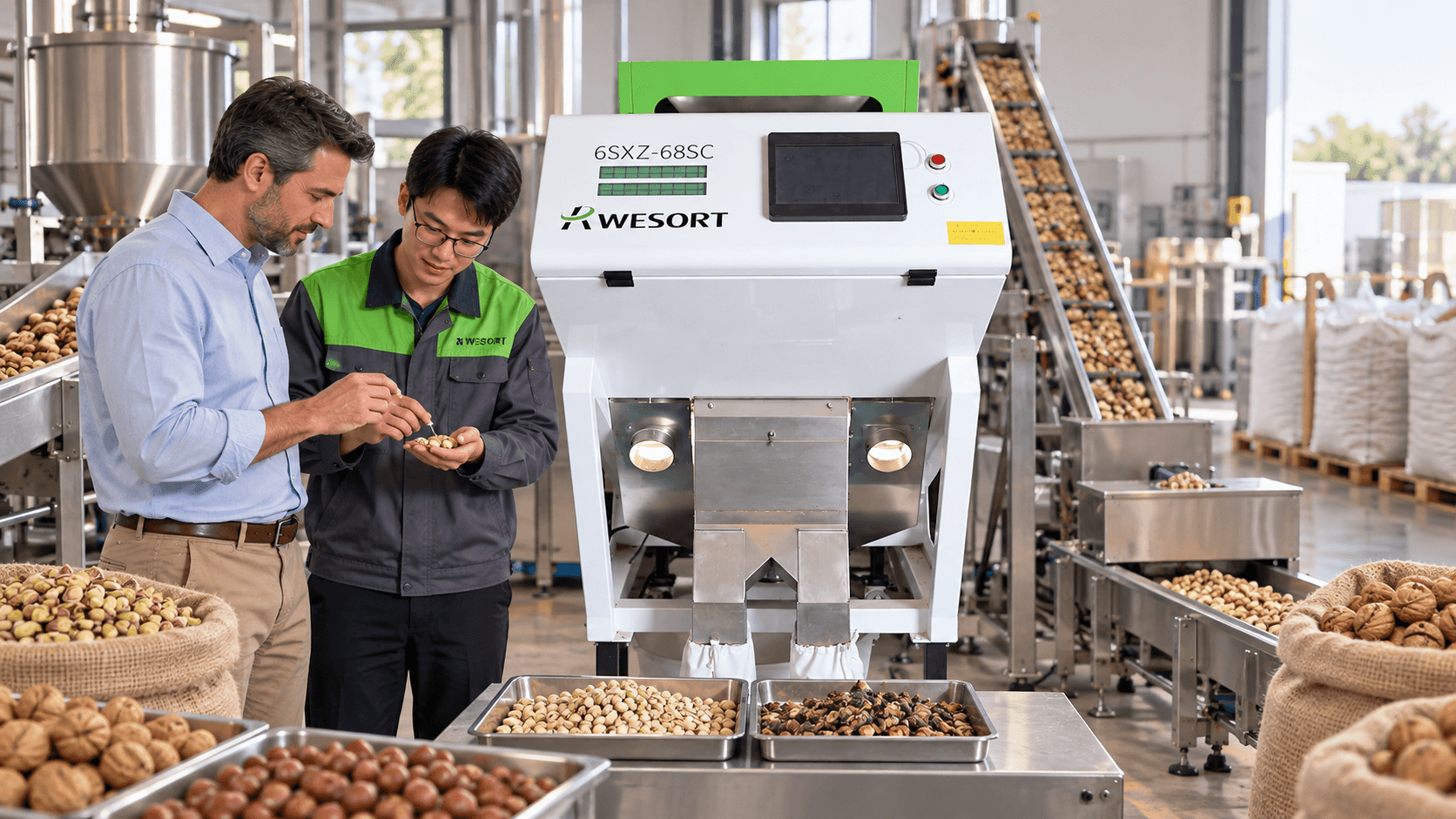
A reliable nut color sorter manufacturer should be able to prove three things before asking you to buy: that your actual material can be separated, that the proposed machine fits your production line, and that technical support will still be availa...
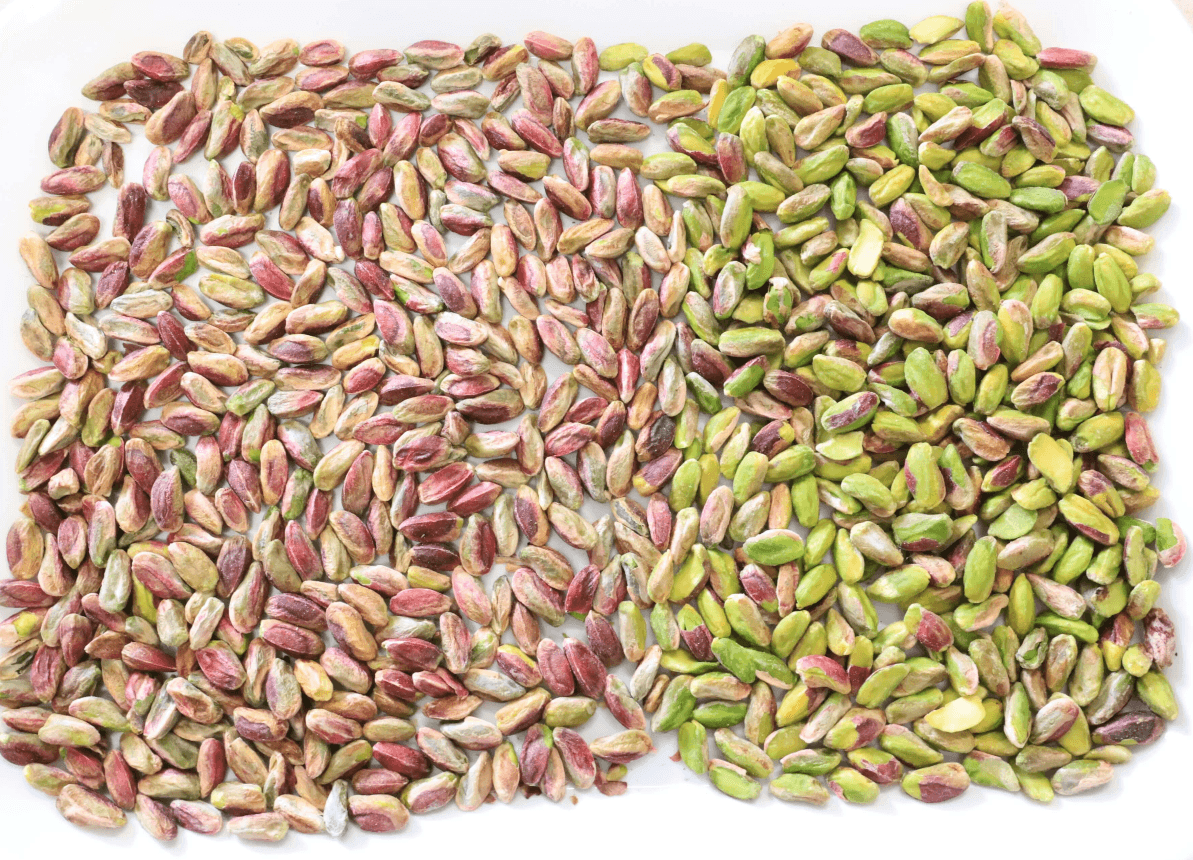
A pistachio sorter should be configured for the material entering it, not for the word “pistachio” alone. An in-shell line may need to separate open and closed shells. A kernel line may need color grades and removal of broken or dark pieces. A post...
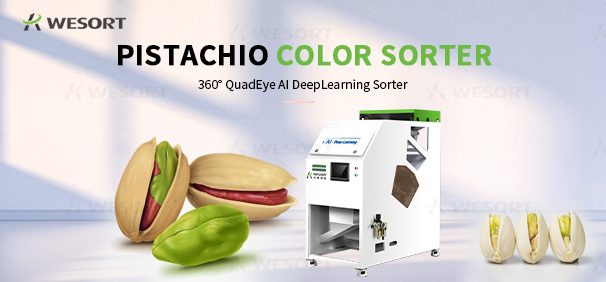
Choosing the right pistachio sorting machine in Turkey is not simply a matter of comparing machine width, number of chutes or advertised capacity. For pistachio processors, the more important question is: What exactly does the machine need to sep...
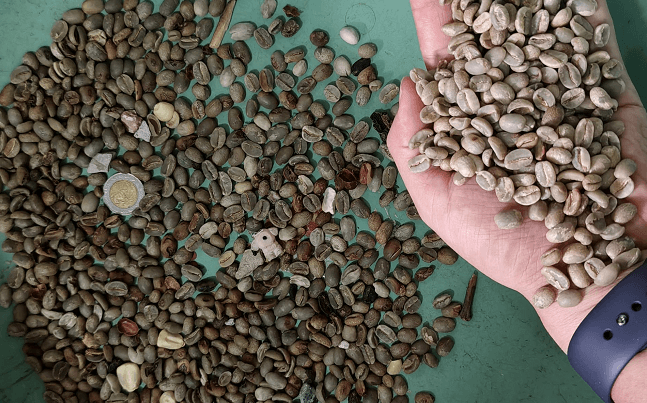
Choosing a coffee sorting machine in Colombia should not begin with the number of chutes or a headline capacity. It should begin with five facts about the coffee entering your line and the product you need to deliver. Without them, two machines th...
As the pistachio industry develops across Latin America, food processors, nut exporters, importers and packaging companies are paying more attention to product quality and processing efficiency. Argentina is expanding its pistachio cultivation and pr...
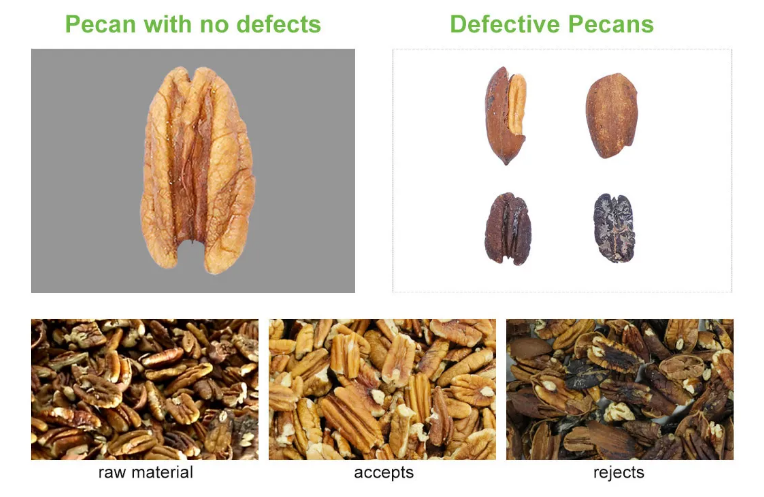
Dark kernels, broken pieces and shell fragments do not require the same inspection method. WESORT configures the optical sorting system around the defects in the product, the pecan format and the processor's acceptance standard. For a Mexican pecan p...
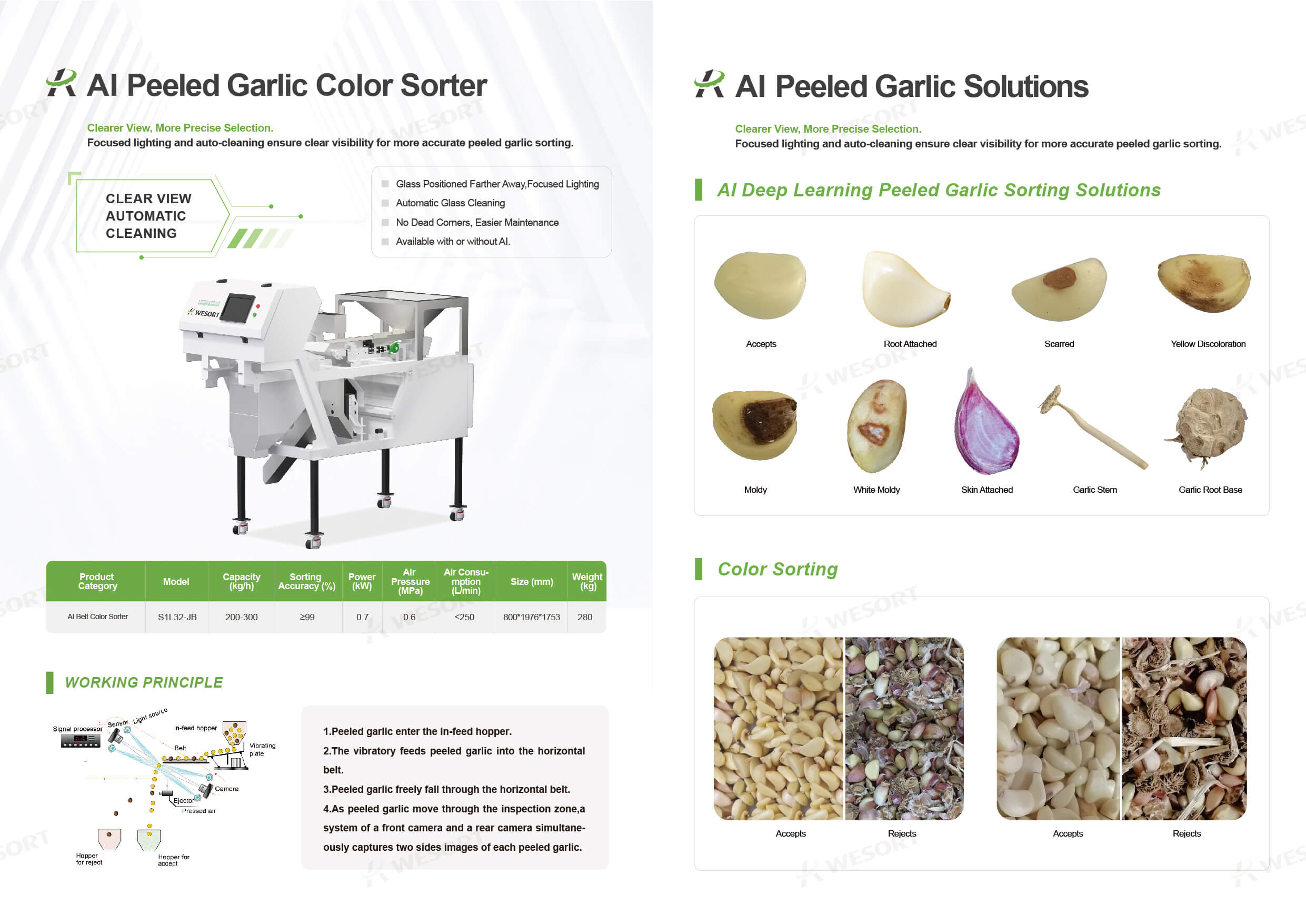
For a garlic processing plant in Mexico, the right Chinese supplier is not the company that publishes the highest accuracy figure in a catalog. It is the supplier that can test your garlic, define which visible spots and discoloration should be rejec...
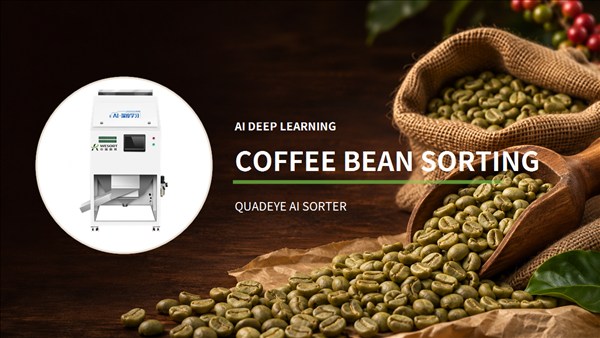
For a U.S. coffee production or processing company, the best coffee bean sorter is the one that demonstrates reliable removal of your actual damaged beans while protecting good-product recovery and fitting your line. WESORT provides AI optical sortin...
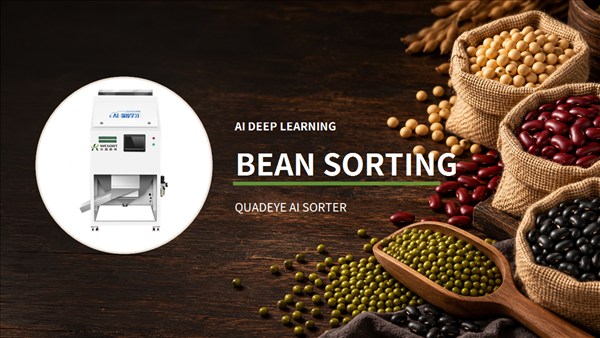
The best beans color sorting machine is the one that matches your bean variety, target defects, product standard and production line. A practical selection should compare more than camera count or catalogue price: it should confirm visible defect rem...
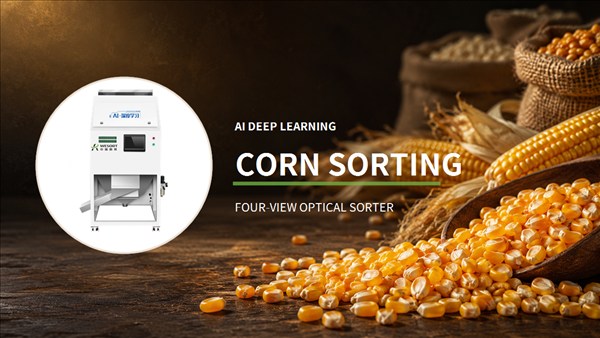
If you are looking for where to buy a corn color sorter from China, the right starting point is not a marketplace price list. A corn processor needs a manufacturer that can test the actual maize, define the target defects, recommend a suitable machin...
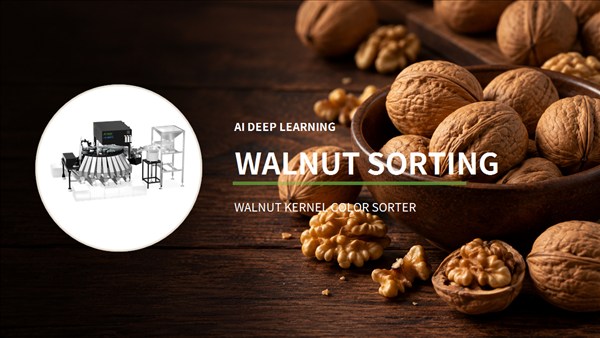
A popular walnut kernel color sorter is not simply the machine with the most attractive specification sheet. Walnut processors need equipment that can recognize black, mold-like, red, yellow, shriveled, broken and shell-containing kernels, maintain s...
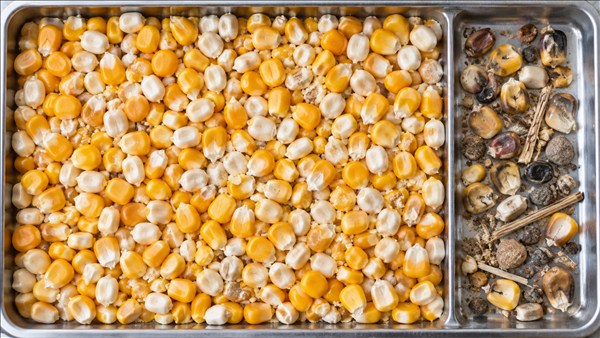
Choosing a corn color sorter for Colombia is not a matter of selecting the lowest price or the largest advertised capacity. The right system must match your corn variety, particle form, visible defects, throughput, utility conditions, downstream proc...
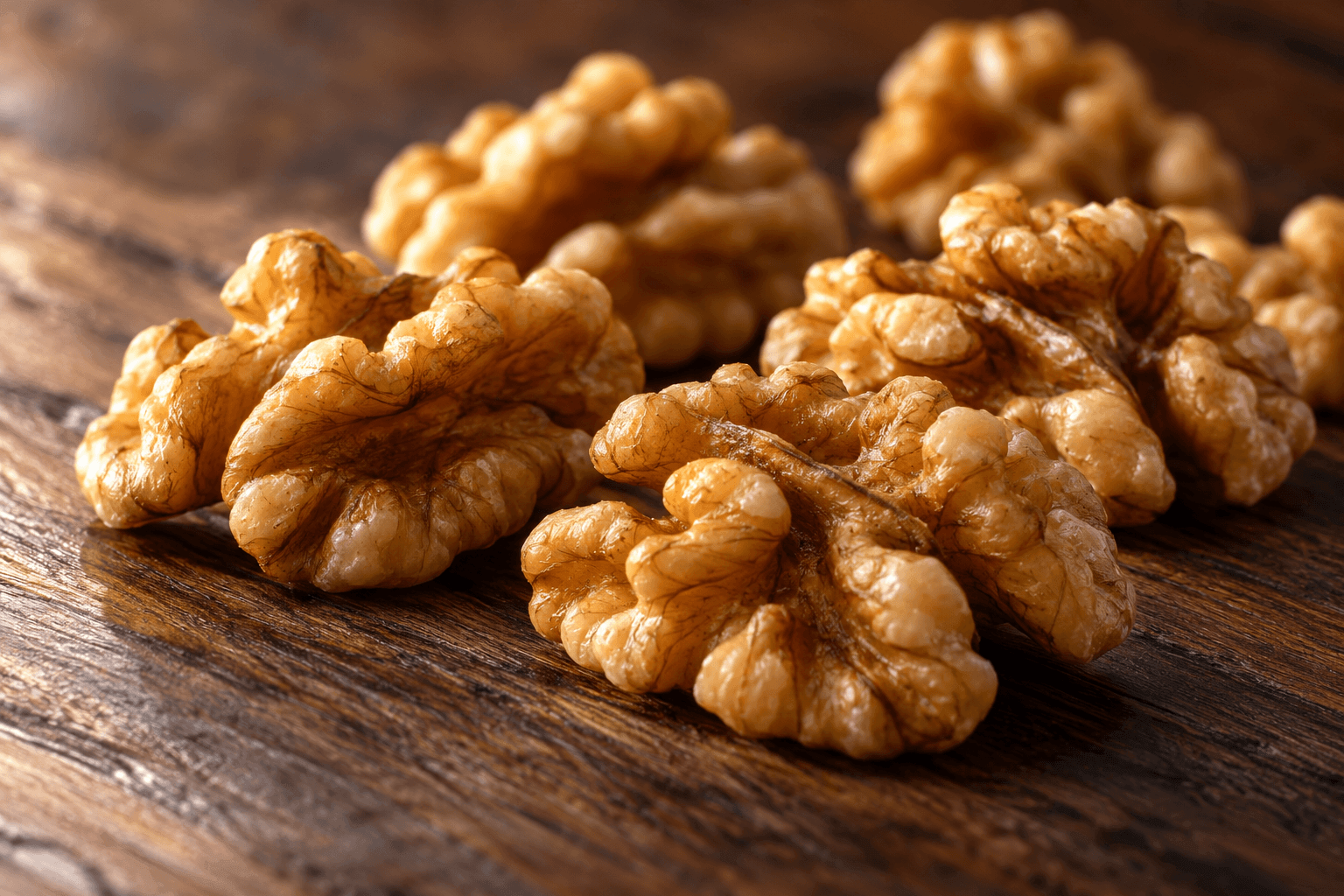
A cracked-walnut line works when every stage has a defined job: clean the mixture, remove shell, separate saleable grades, and control the final packed product. The sorting machine is central to that line, but it performs best when the material reach...

After cracking, walnut processors need to solve two different problems: remove shell efficiently and protect the kernels that carry the selling value. The strongest solution is usually a staged process that combines mechanical separation, infrared sh...

Black, moldy and discolored walnut kernels are not simply “bad colour.” They may represent different grades, different causes and different commercial decisions. WESORT’s AI walnut kernel color sorter converts those visible quality rules into repeata...
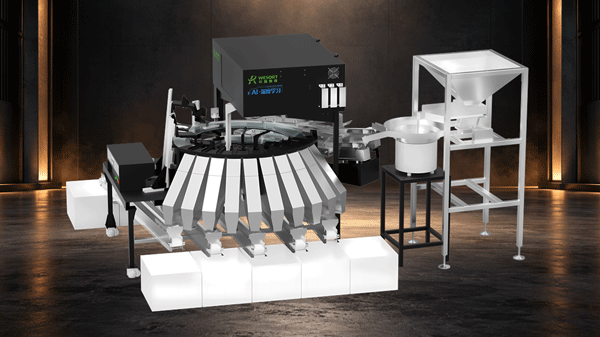
Walnut kernels are commonly sorted with an optical AI sorting machine after cracking, shell separation and preliminary cleaning. The best configuration depends on whether the plant needs colour sorting, visible defect removal, multi-grade separation,...
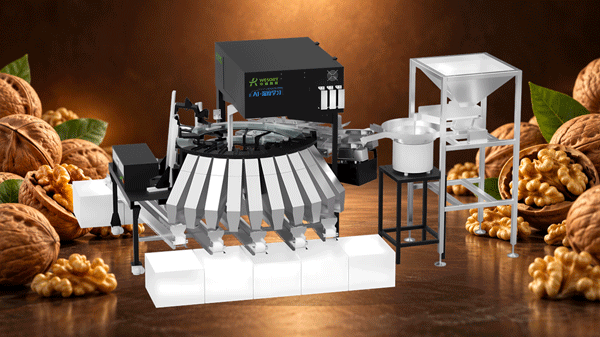
A walnut kernel sorter should do more than remove dark pieces. It should protect valuable halves, separate commercial grades, recognise the visible defects that affect your selling price and fit the way your plant already cracks, cleans, grades and p...
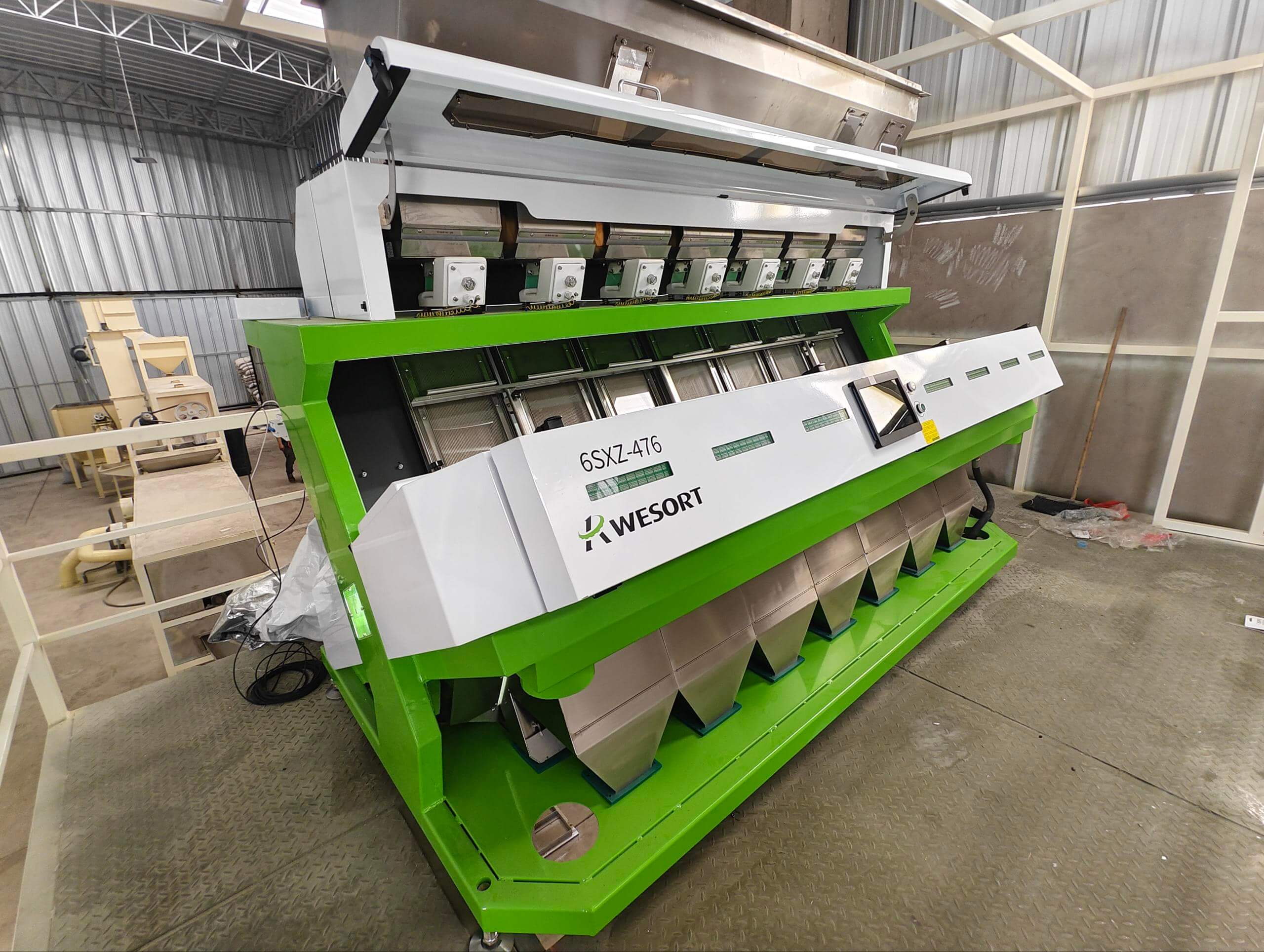
The best bean-sorting result does not begin with a machine setting. It begins with a clear description of the beans you want to pack, the defects your buyer rejects and the amount of good product you are prepared to lose. Short answer: clean and s...

When nut processing enters its busiest weeks, inconsistent raw material, visible defects and foreign materials can quickly become production problems. For processors handling hazelnuts, pistachios, almonds, pecans, Brazil nuts, peanuts and other nut...
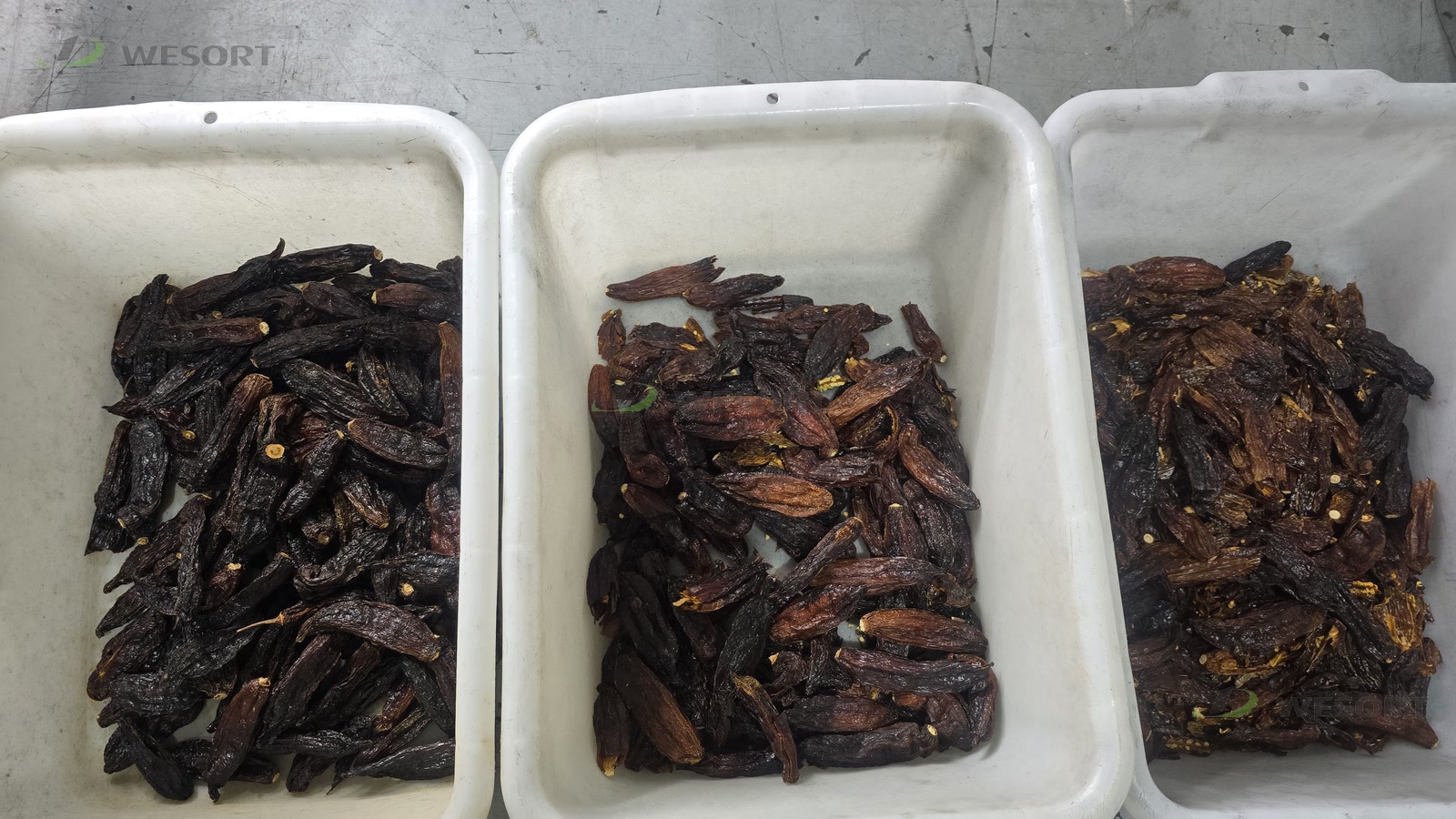
A mixed lot of dried chili rarely has just one problem. Dark pods sit beside red-brown pods, whole product is mixed with broken pieces, and stems or fibrous material remain in the flow. WESORT helps processors turn that mixed lot into clearly defin...
A reliable nut color sorter manufacturer should be able to prove three things before asking you to buy: that your actual material can be separated, that the proposed machine fits your production line, and that technical support will still be availa...
A pistachio sorter should be configured for the material entering it, not for the word “pistachio” alone. An in-shell line may need to separate open and closed shells. A kernel line may need color grades and removal of broken or dark pieces. A post...
Choosing the right pistachio sorting machine in Turkey is not simply a matter of comparing machine width, number of chutes or advertised capacity. For pistachio processors, the more important question is: What exactly does the machine need to sep...
Choosing a coffee sorting machine in Colombia should not begin with the number of chutes or a headline capacity. It should begin with five facts about the coffee entering your line and the product you need to deliver. Without them, two machines th...
As the pistachio industry develops across Latin America, food processors, nut exporters, importers and packaging companies are paying more attention to product quality and processing efficiency. Argentina is expanding its pistachio cultivation and pr...
Dark kernels, broken pieces and shell fragments do not require the same inspection method. WESORT configures the optical sorting system around the defects in the product, the pecan format and the processor's acceptance standard. For a Mexican pecan p...
For a garlic processing plant in Mexico, the right Chinese supplier is not the company that publishes the highest accuracy figure in a catalog. It is the supplier that can test your garlic, define which visible spots and discoloration should be rejec...
For a U.S. coffee production or processing company, the best coffee bean sorter is the one that demonstrates reliable removal of your actual damaged beans while protecting good-product recovery and fitting your line. WESORT provides AI optical sortin...