Shenzhen Wesort Optoelectronics Co., Ltd.
Address:Building 29, Longwangmiao Industrial Zone, Fuyong street, Bao'an District, Shenzhen, Guangdong Province, China.
Phone:+86 181 2370 6862

Star anise is a famous seasoning spice and is also used for medicine. Peel, seeds, and leaves all contain aromatic oils, which are important raw materials for the manufacture of cosmetics, sweet wine, beer and food industries. In China, it is mainly produced in western and southern Guangxi (mostly cultivated in Baise, Nanning, Qinzhou, Wuzhou, Yulin and other areas), with an altitude of 200-700 meters, and the natural distribution can reach an altitude of 1600 meters. Both Guilin Yanshan (approximately 25°11′ north latitude) and Doushui Town, Shangrao, Jiangxi (25°50′ north latitude) have been introduced and bloom and bear fruit normally. It is also planted in southern Fujian, western Guangdong, southeastern Yunnan and southern Yunnan. Recently, however, some media reported that the largest star anise wholesale market in Guangxi Nanning Gaofeng Natural Spices Logistics Center exposed sulfur star anise again, which attracted the attention of market supervision departments. So how do consumers tell if the star anise has been smoked by sulfur?
1. Smell it. Because sulfur has a pungent smell, we can pick it up and smell the star anise when we buy it. The normal star anise is more fragrant and has a unique fragrance of the seasoning. If there is a pungent smell or no smell, don't buy it.
2. Take a look. The color of a normal octagonal is reddish brown. It is a complete petal with 8 corners, and there are 7 or 9 corners. If the color is yellow or there are too many corners, the quality will not be so good.
3. Touch it. Because we said earlier that the sulphur-smoked star anise is not allowed to dry for enough days, the moisture content is higher, and the weight is heavier than the normal star anise. You can feel a little bit of coolness by squeezing it lightly with your hand, and the moisture is quite sufficient. There are plenty of octagonal octagonal octagonal anise.

If only a small amount is purchased, the above method is feasible, but in the case of a large amount, the required labor cost will increase. Here we need to use mechanized equipment, such as the fragrance color sorter and fragrance color of Zhongrui Microvision. The sorting machine can distinguish the star anise according to the color difference, and even the shape of the star anise. In addition, the spice color sorter can not only choose the star anise, but also pepper, pepper, cumin and other materials
Star anise is a famous seasoning spice and is also used for medicine. Peel, seeds, and leaves all contain aromatic oils, which are important raw materials for the manufacture of cosmetics, sweet wine, beer and food industries. In China, it is mainly produced in western and southern Guangxi (mostly cultivated in Baise, Nanning, Qinzhou, Wuzhou, Yulin and other areas), with an altitude of 200-700 meters, and the natural distribution can reach an altitude of 1600 meters. Both Guilin Yanshan (approximately 25°11′ north latitude) and Doushui Town, Shangrao, Jiangxi (25°50′ north latitude) have been introduced and bloom and bear fruit normally. It is also planted in southern Fujian, western Guangdong, southeastern Yunnan and southern Yunnan. Recently, however, some media reported that the largest star anise wholesale market in Guangxi Nanning Gaofeng Natural Spices Logistics Center exposed sulfur star anise again, which attracted the attention of market supervision departments. So how do consumers tell if the star anise has been smoked by sulfur?
1. Smell it. Because sulfur has a pungent smell, we can pick it up and smell the star anise when we buy it. The normal star anise is more fragrant and has a unique fragrance of the seasoning. If there is a pungent smell or no smell, don't buy it.
2. Take a look. The color of a normal octagonal is reddish brown. It is a complete petal with 8 corners, and there are 7 or 9 corners. If the color is yellow or there are too many corners, the quality will not be so good.
3. Touch it. Because we said earlier that the sulphur-smoked star anise is not allowed to dry for enough days, the moisture content is higher, and the weight is heavier than the normal star anise. You can feel a little bit of coolness by squeezing it lightly with your hand, and the moisture is quite sufficient. There are plenty of octagonal octagonal octagonal anise.
If only a small amount is purchased, the above method is feasible, but in the case of a large amount, the required labor cost will increase. Here we need to use mechanized equipment, such as the fragrance color sorter and fragrance color of Zhongrui Microvision. The sorting machine can distinguish the star anise according to the color difference, and even the shape of the star anise. In addition, the spice color sorter can not only choose the star anise, but also pepper, pepper, cumin and other materials

Mexico has a strong coffee-processing industry, with coffee producers and processors facing increasingly demanding requirements for quality, consistency, and production efficiency. From coffee cherries and green coffee beans to roasted coffee, effect...

Coffee quality control depends heavily on the equipment used to remove defective beans, foreign materials, and quality inconsistencies before roasting or export. For coffee processors, roasteries, and exporters, AI-powered optical color sorters h...
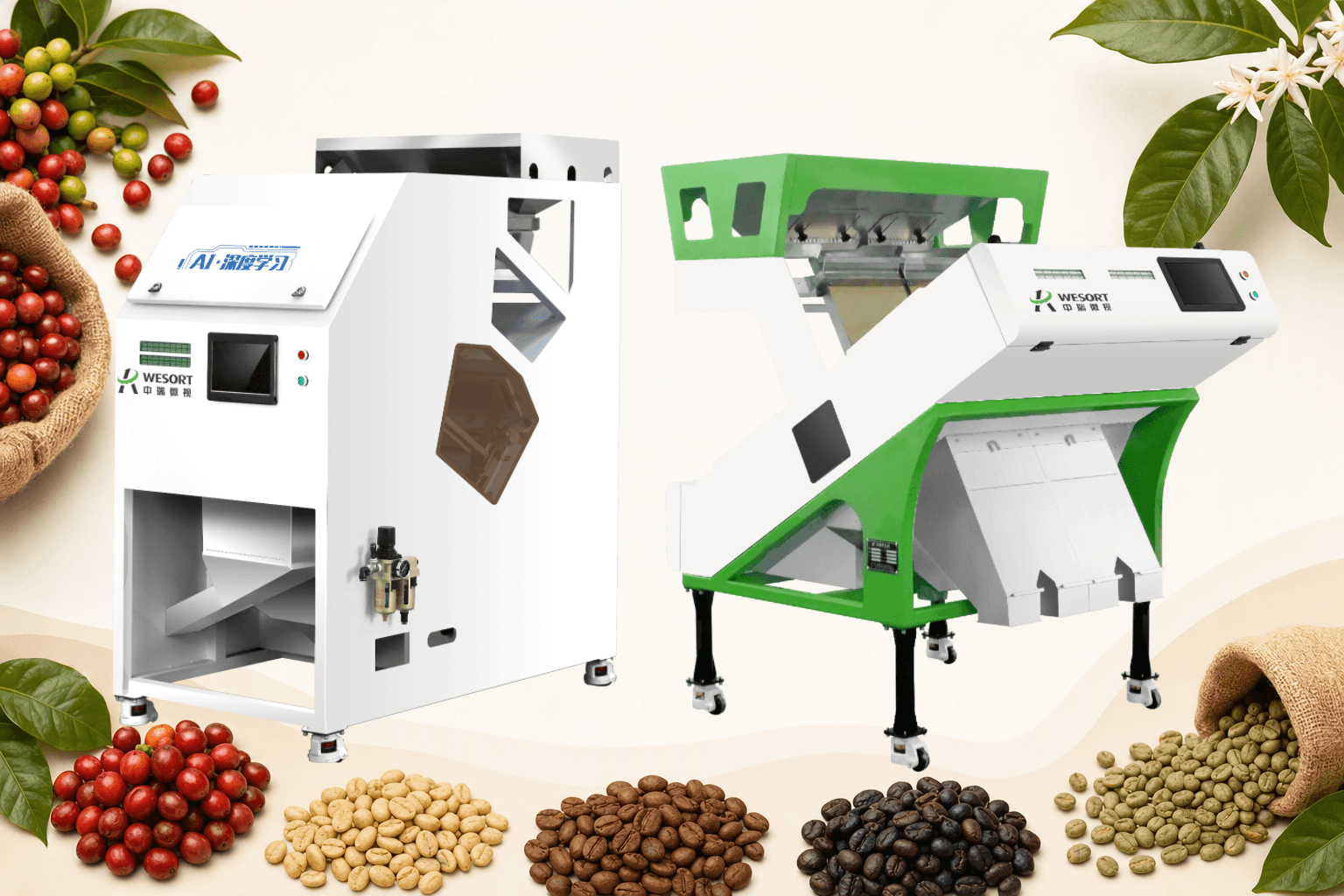
Coffee processors around the world are under growing pressure to deliver consistent quality while controlling costs and meeting strict export standards. Manual sorting—long the default method for removing quakers, scorched beans, and foreign matter...

Upgrade Your Sorting Solution with Exclusive Benefits In 2026. WESORT continues to move forward with innovation, quality, and commitment. We sincerely appreciate the trust and support from customers around the world. To give back to our global ...
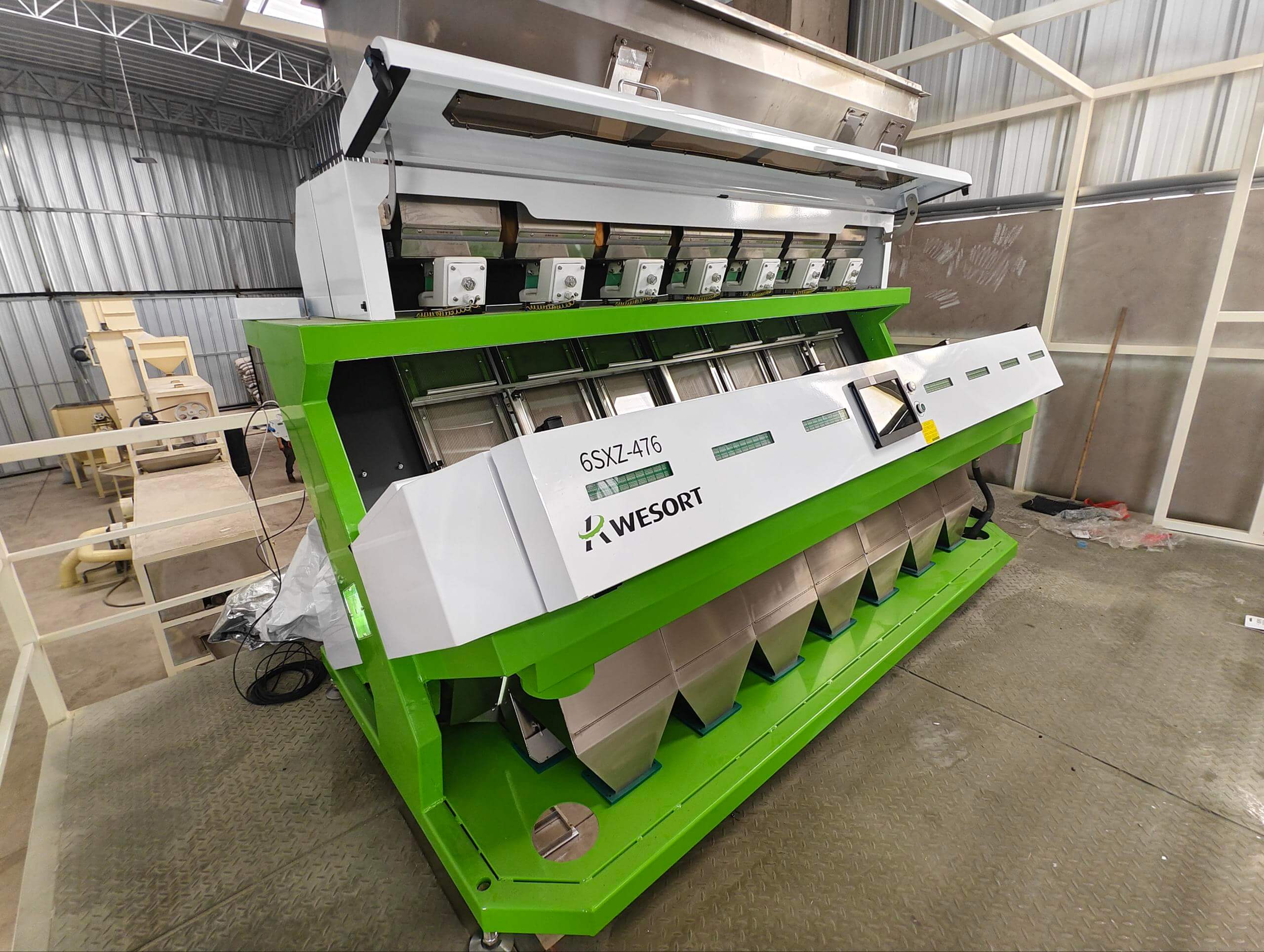
The best bean-sorting result does not begin with a machine setting. It begins with a clear description of the beans you want to pack, the defects your buyer rejects and the amount of good product you are prepared to lose. Short answer: clean and s...

When nut processing enters its busiest weeks, inconsistent raw material, visible defects and foreign materials can quickly become production problems. For processors handling hazelnuts, pistachios, almonds, pecans, Brazil nuts, peanuts and other nut...
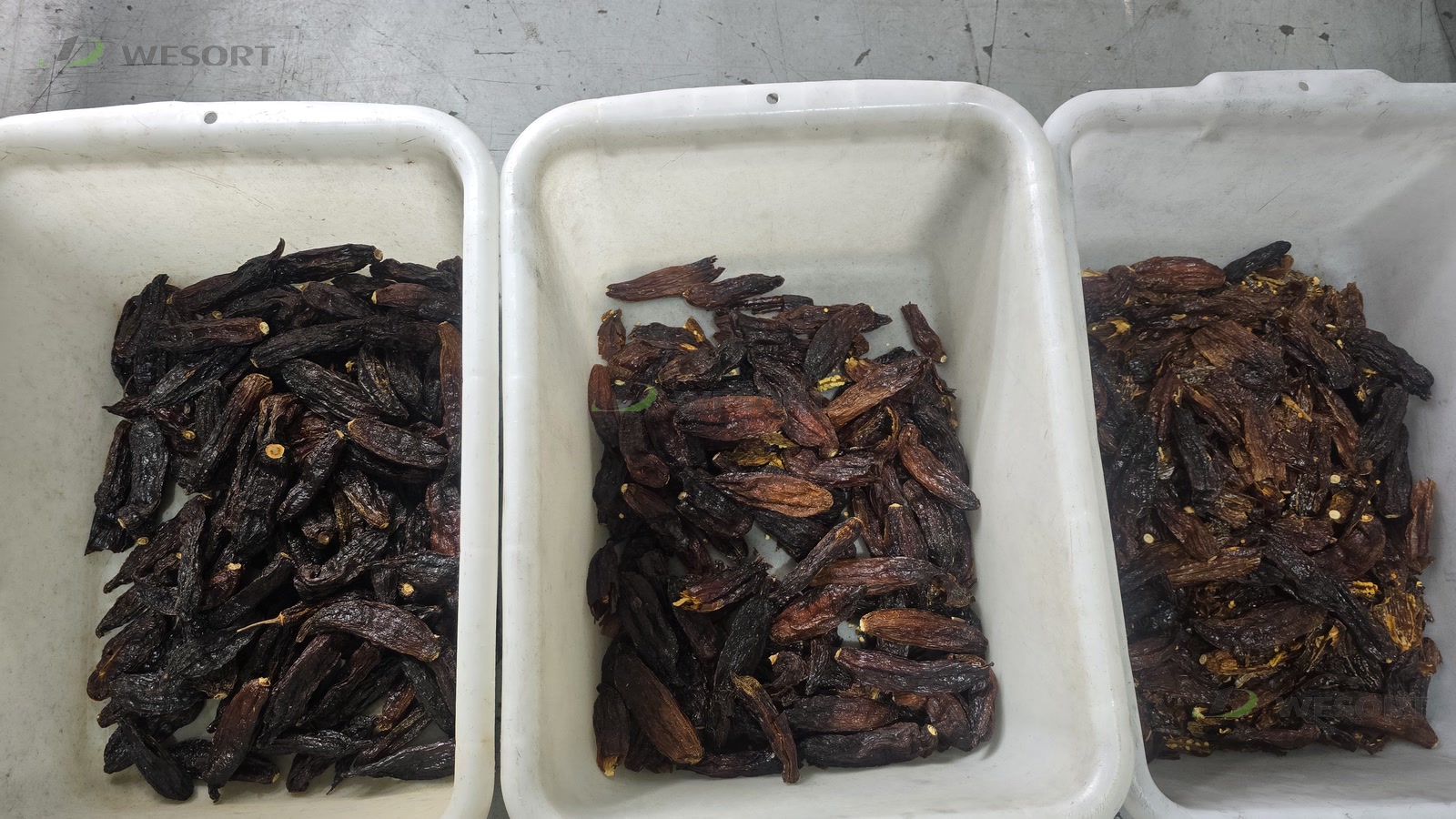
A mixed lot of dried chili rarely has just one problem. Dark pods sit beside red-brown pods, whole product is mixed with broken pieces, and stems or fibrous material remain in the flow. WESORT helps processors turn that mixed lot into clearly defin...
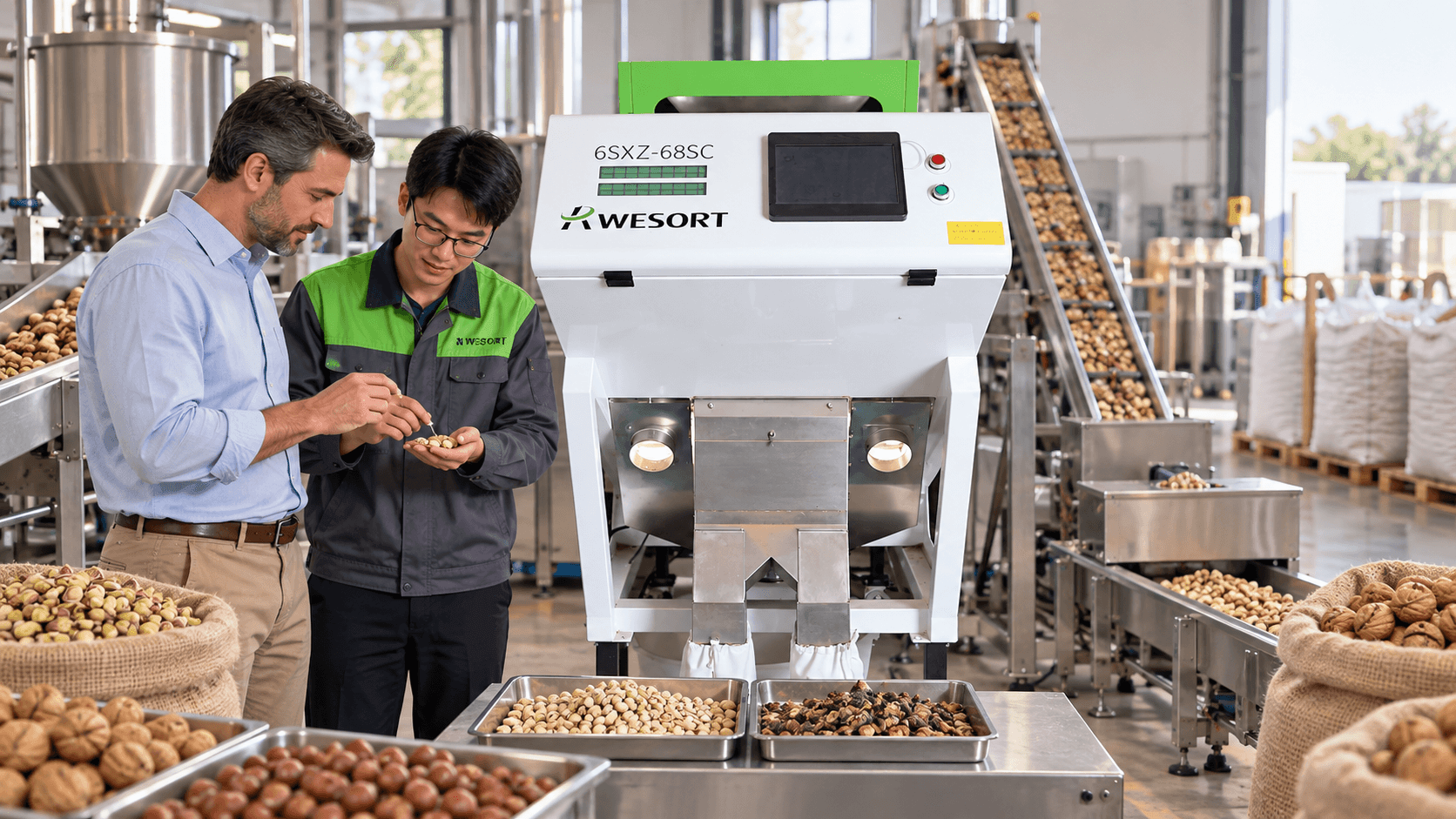
A reliable nut color sorter manufacturer should be able to prove three things before asking you to buy: that your actual material can be separated, that the proposed machine fits your production line, and that technical support will still be availa...
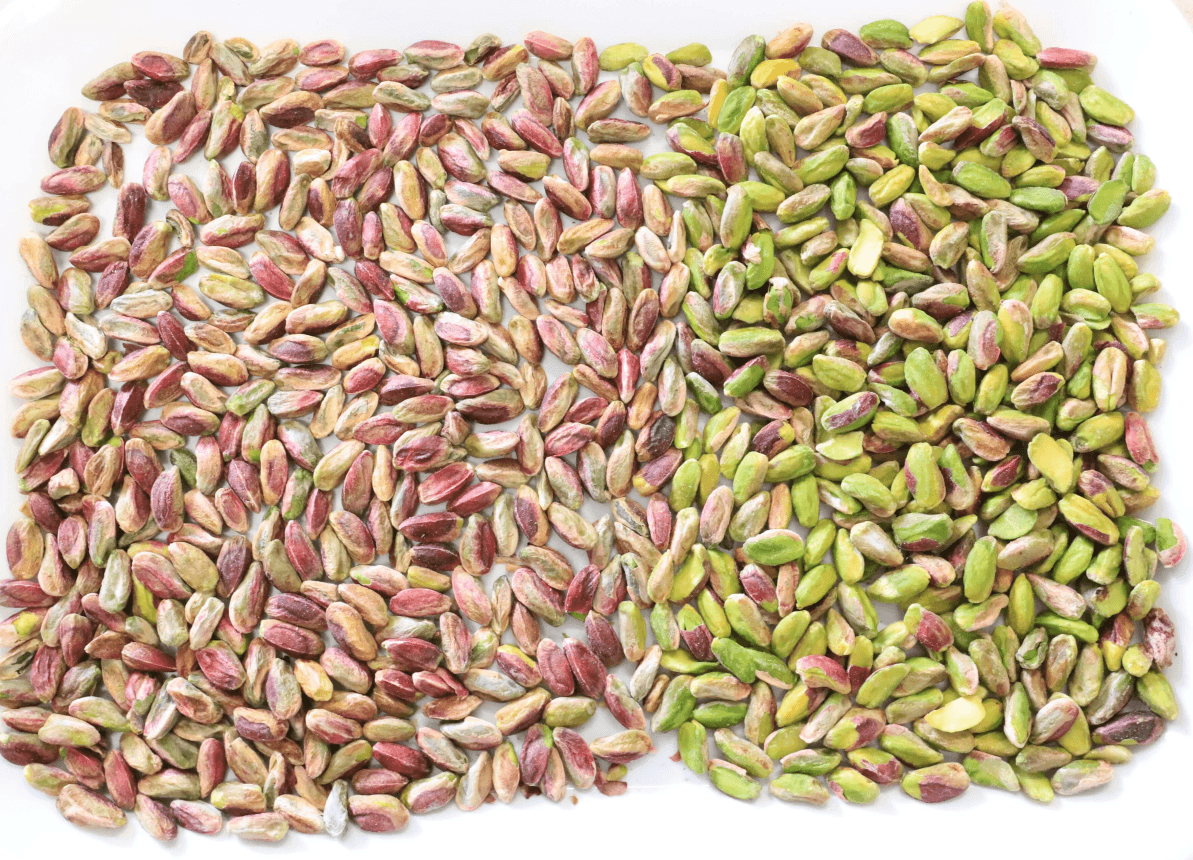
A pistachio sorter should be configured for the material entering it, not for the word “pistachio” alone. An in-shell line may need to separate open and closed shells. A kernel line may need color grades and removal of broken or dark pieces. A post...
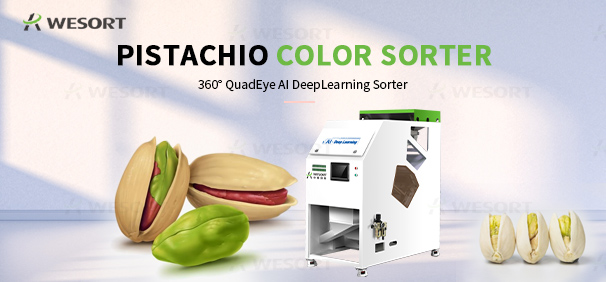
Choosing the right pistachio sorting machine in Turkey is not simply a matter of comparing machine width, number of chutes or advertised capacity. For pistachio processors, the more important question is: What exactly does the machine need to sep...

Choosing a coffee sorting machine in Colombia should not begin with the number of chutes or a headline capacity. It should begin with five facts about the coffee entering your line and the product you need to deliver. Without them, two machines th...
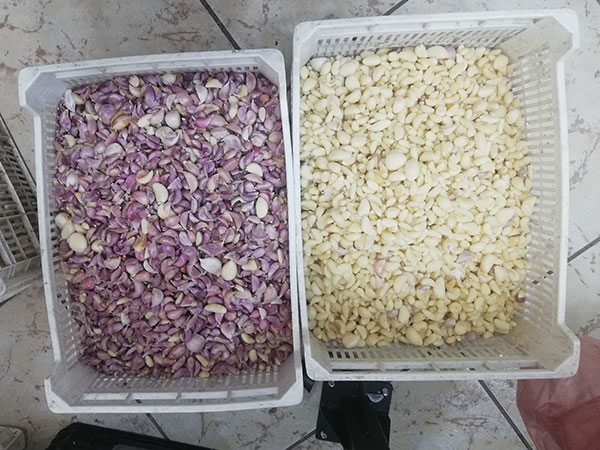
A garlic sorting machine can separate cloves that differ visibly from the accepted product in color, skin coverage, shape, size or surface condition. Typical targets include cloves with attached purple skin, incomplete peeling, yellow or brown disc...

Don’t bring only a business card. Bring the coffee your team is struggling to sort. From October 15 to 18, WESORT will be at Cafés de Colombia Expo 2026 in Bogotá. At Booth 2466, visitors can see how optical sorting responds to real coffee material...

Industry Background and Problem Introduction Coffee processing combines natural variation in agricultural material with increasingly specific buyer and quality requirements. Fresh coffee cherries, parchment coffee, green beans and roasted beans are d...
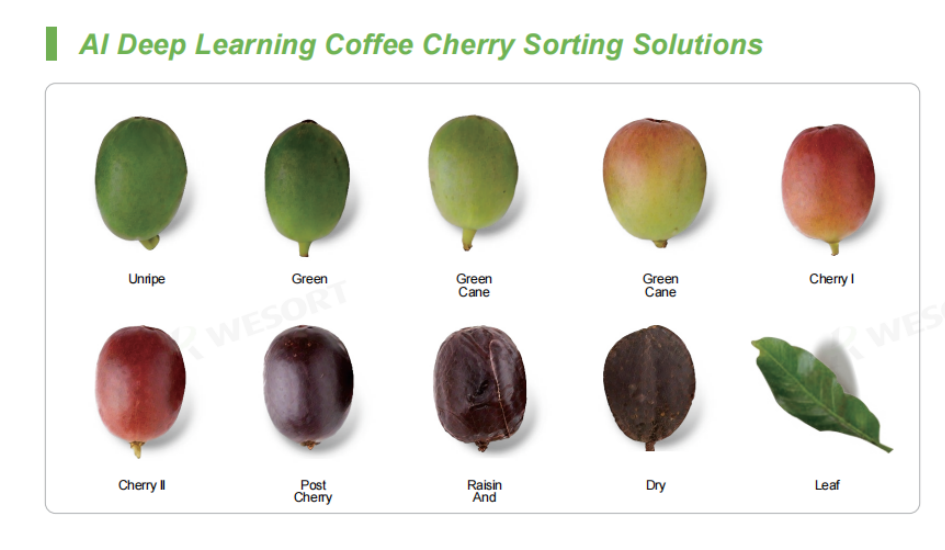
Sorting fresh coffee cherries before pulping or drying can help a processor separate visibly different fruit into more consistent lots. The right approach depends on the cherries, the acceptance standard and where the sorter will sit in the processin...

Every Pearl, Every Angle. 360° PANORAMIC AI PEARL SORTING The hardest part of pearl sorting is not seeing a pearl once. It is seeing enough of its surface to make a consistent decision. A dark spot may sit on the back. A fine crack may become visible...
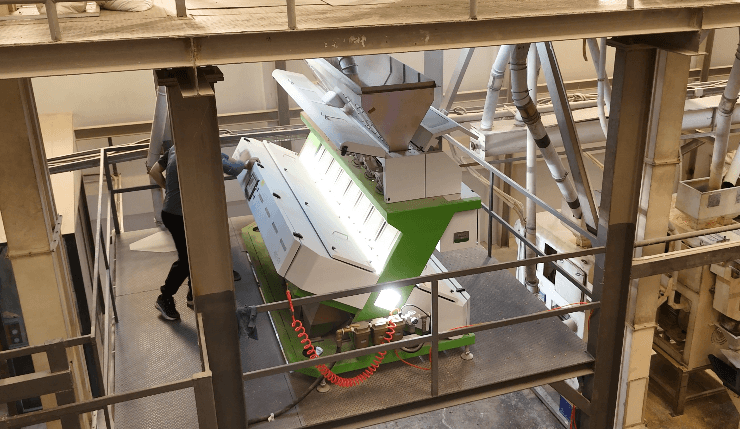
A practical way to choose a corn sorting machine is to compare your plant with corn processors that have already solved similar problems. WESORT has supplied corn sorting solutions for different production scales, from a dual-channel white-corn pro...

An optical rice sorter improves purity by turning visible differences into controlled separation decisions. Stable feeding presents the rice, illumination and cameras capture visible characteristics, software evaluates color and shape, and precisio...
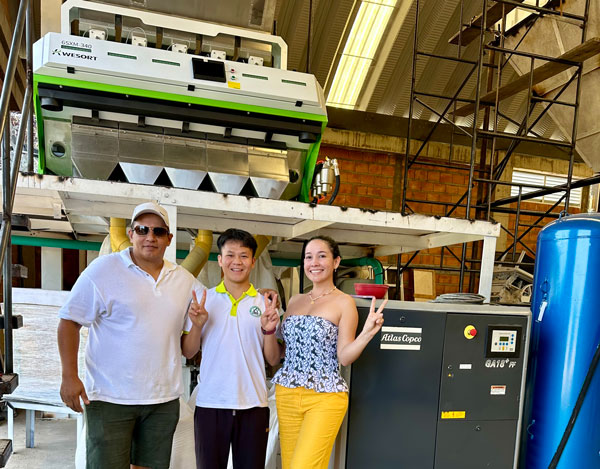
Choose a rice sorting machine by matching the rice variety, target defects, required throughput, finished-product standard, acceptable loss of good rice, and site utilities. Compare machines only after testing representative material and reviewing bo...
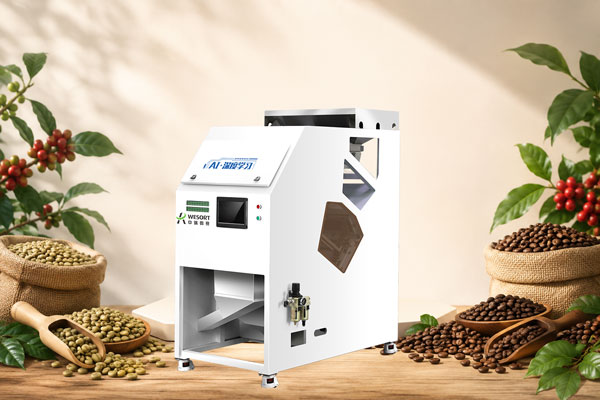
Coffee processors face a constant challenge when it comes to maintaining consistent quality across green and roasted coffee beans. Quakers, scorched beans, abnormal-color beans, broken beans, and foreign materials can affect the appearance and consis...
Mexico has a strong coffee-processing industry, with coffee producers and processors facing increasingly demanding requirements for quality, consistency, and production efficiency. From coffee cherries and green coffee beans to roasted coffee, effect...
Coffee quality control depends heavily on the equipment used to remove defective beans, foreign materials, and quality inconsistencies before roasting or export. For coffee processors, roasteries, and exporters, AI-powered optical color sorters h...
Coffee processors around the world are under growing pressure to deliver consistent quality while controlling costs and meeting strict export standards. Manual sorting—long the default method for removing quakers, scorched beans, and foreign matter...
Upgrade Your Sorting Solution with Exclusive Benefits In 2026. WESORT continues to move forward with innovation, quality, and commitment. We sincerely appreciate the trust and support from customers around the world. To give back to our global ...
The best bean-sorting result does not begin with a machine setting. It begins with a clear description of the beans you want to pack, the defects your buyer rejects and the amount of good product you are prepared to lose. Short answer: clean and s...
When nut processing enters its busiest weeks, inconsistent raw material, visible defects and foreign materials can quickly become production problems. For processors handling hazelnuts, pistachios, almonds, pecans, Brazil nuts, peanuts and other nut...
A mixed lot of dried chili rarely has just one problem. Dark pods sit beside red-brown pods, whole product is mixed with broken pieces, and stems or fibrous material remain in the flow. WESORT helps processors turn that mixed lot into clearly defin...
A reliable nut color sorter manufacturer should be able to prove three things before asking you to buy: that your actual material can be separated, that the proposed machine fits your production line, and that technical support will still be availa...